
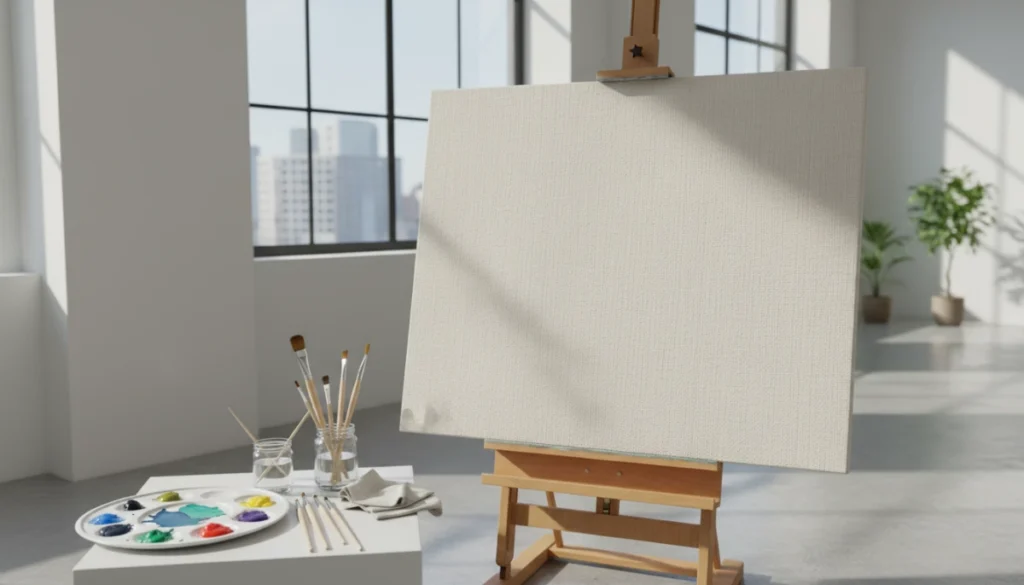
The Golden Rule: Natural Fibers Are King
If you want fabric to paint that won’t crack, peel, or feel stiff, start with natural fibers. They grab onto paint better, feel nicer on the body, and hold up to real-life wear and washing.
100% Cotton Fabric to Paint for Beginners
For beginners, 100% cotton fabric is the best fabric to paint on—no contest.
Go for:
- Light to medium-weight cotton (T‑shirts, quilting cotton, pillowcases)
- Tight weave textiles so lines stay crisp and colors don’t bleed
- Smooth surfaces (skip heavy texture at first)
Why I love cotton as a fabric to paint:
- It absorbs paint evenly
- It’s easy to heat set for washable fabric paint results
- It stays soft when you mix acrylic paint with fabric medium
Best Denim Fabric to Paint for Durable Designs
For durable, statement pieces, denim fabric painting is a powerhouse—perfect for upcycling clothes with fabric paint.
Choose:
- Midweight to heavyweight denim (jackets, jeans, tote bags)
- Minimal stretch for less cracking over time
- Even, firm weave so details stay sharp
Denim is one of the best fabrics to paint on when you want:
- Long-lasting artwork on jackets and jeans
- Bold denim painting ideas that can handle daily wear
- Strong base for DIY tote bag design
Canvas and Duck Cloth Fabric to Paint
If you’re making bags, cushions, or home decor, canvas fabric for painting and duck cloth for fabric paint are workhorses.
Look for:
- Heavyweight canvas or duck cloth for totes, upholstery, and wall art
- Plain-woven, tight weave for clean edges and less bleeding
- Neutral colors (white, beige) so your colors stay bright
These fabrics are ideal when:
- You’re building a DIY tote bag design from scratch
- You want sturdy, structured fabric to paint that keeps its shape
- You need a tough surface that handles layering and texture
When to Choose Silk Fabric to Paint With Dyes
Silk is a different game. It’s the right silk painting fabric when you want flowy, soft, luxurious results—not thick paint sitting on top.
Choose silk with:
- Smooth, fine weave (like habotai or charmeuse)
- Lightweight drape for scarves and delicate tops
Use:
- Silk dyes or thin textile paints, not heavy acrylic layers
- Flowing fabric painting techniques like wet-on-wet, for soft blends
I switch to silk as my fabric to paint when:
- I want intense, saturated color without stiffness
- I care more about colorfastness on fabric and drape than bold texture
- The project is scarves, blouses, or art pieces meant to stay ultra-soft
Painting on Synthetics and Blends
How to paint on polyester and nylon fabric
When I paint on polyester or nylon fabric to paint custom pieces, I treat them very differently from cotton. These synthetics are slick, so paint sits on top instead of soaking in. To get solid, long‑lasting color on the best fabric to paint on in the synthetic category, I always:
- Lightly scrub the surface with rubbing alcohol to remove oils and factory coatings.
- Use thin layers of paint instead of one thick coat so the finish stays flexible.
- Let each layer dry fully before adding the next to avoid peeling.
Polyester fabric painting and nylon fabric painting work best on items that don’t stretch much, like windbreakers, flags, or cosmetic bags you might upcycle with fabric paint.
Using fabric medium and primers to paint synthetic fabric
On synthetic fiber, adhesion is everything. I mix acrylic paint with a quality fabric medium for acrylic paint (textile medium) to help it bond and stay soft. For very slippery polyester or nylon fabric to paint:
- Apply a clear fabric primer or gesso made for textiles in a thin coat.
- Let the primer dry completely so the surface feels slightly “toothy,” not slick.
- Mix soft body acrylics with fabric medium so the paint moves easily and doesn’t crack.
This combo gives synthetic fabric painting the same durability and colorfastness you expect from washable fabric paint on cotton.
Best fabric to paint when working with 50/50 blends
For a 50/50 cotton polyester blend, I still consider it one of the best fabric to paint on if I want comfort plus durability. Blends are common in U.S. tees and hoodies, and they take paint well when you prep them right:
- Always pre‑wash to remove sizing and softeners that block paint.
- Use acrylic paint with fabric medium so it bonds to both the cotton and polyester fibers.
- Keep designs a bit simpler on very stretchy 50/50 knits so cracking isn’t an issue.
If you’re planning a DIY tote bag design or upcycling clothes with fabric paint across your closet basics, blended tees and sweatshirts give you a nice balance of softness, shape, and long‑wearing prints, similar to the custom wardrobe projects I cover in my other fabric painting technique guides.
Texture and Weave for Fabric to Paint
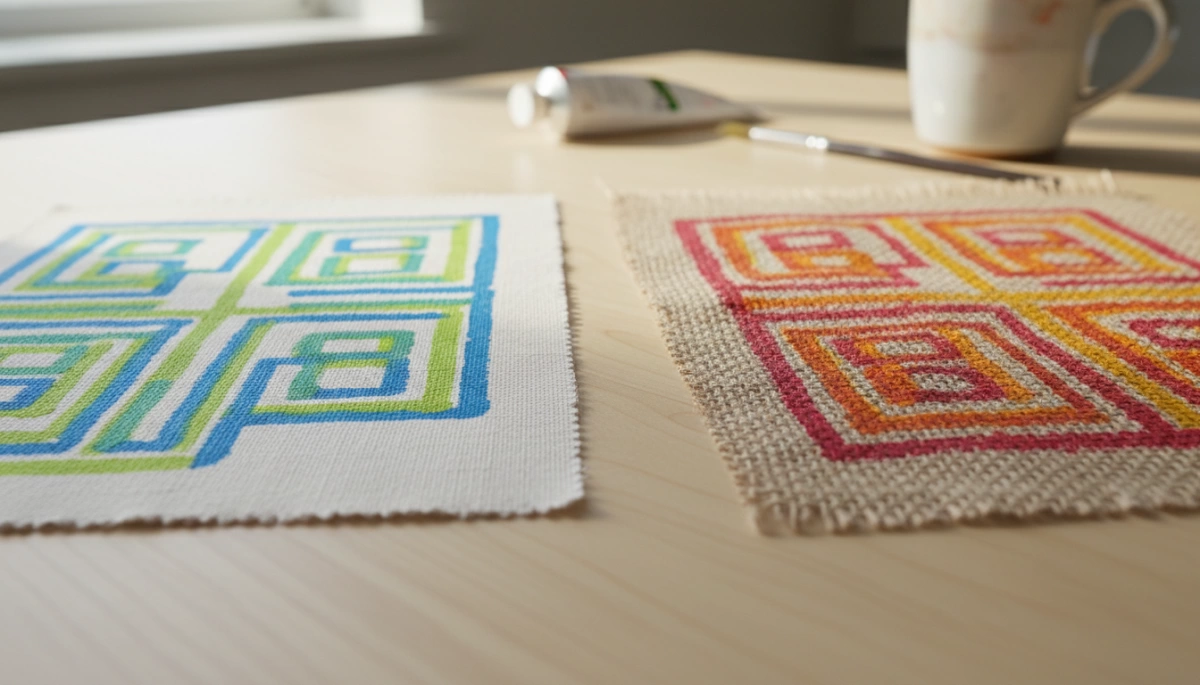
Tight vs loose weave fabric to paint detailed designs
When I choose the best fabric to paint on for sharp, detailed designs, I reach for a tight weave every time.
- Tight weave textiles like poplin, quilting-weight 100% cotton fabric, and smooth canvas fabric for painting keep lines crisp and stop paint from spreading.
- Loose weave fabric (like some linens or open-weave canvas) drinks up more paint and makes fine lettering or tiny graphics look fuzzy.
- For clean outlines, small logos, and denim painting ideas with detail, I treat tight weave as the go-to fabric to paint.
How stretchy fabrics react when you paint on fabric
Stretchy knit fabric and jersey fabric painting can look great, but they move a lot.
- When fabric stretches, thick or stiff paint can crack or flake.
- Heavy layers of acrylic on leggings, tees, or athleisure can feel rubbery and tight.
- I keep designs smaller on high‑stretch areas (knees, elbows, over the chest) so the print doesn’t distort every time you move.
Pro tips to prep knit and jersey fabric to paint without cracking
To get soft, flexible results on stretchy fabric to paint, I prep differently than I do with canvas or denim.
- Pick the right paint: Use soft body acrylics plus a fabric medium for acrylic paint, or a dedicated washable fabric paint labeled as flexible.
- Thin the layers: Build up color in several light coats instead of one thick layer to reduce cracking.
- Stabilize the fabric:
- Slip cardboard inside the shirt or leggings.
- Lightly tape or clip the fabric flat so it doesn’t ripple while you paint.
- Follow cure and heat setting directions: Let paint fully dry, then heat set acrylic paint on fabric as recommended so it bonds and stays flexible through washing.
These small tweaks make knit and jersey some of the best fabric to paint on for everyday tees and upcycling clothes with fabric paint.
Matching Paint to the Fabric to Paint
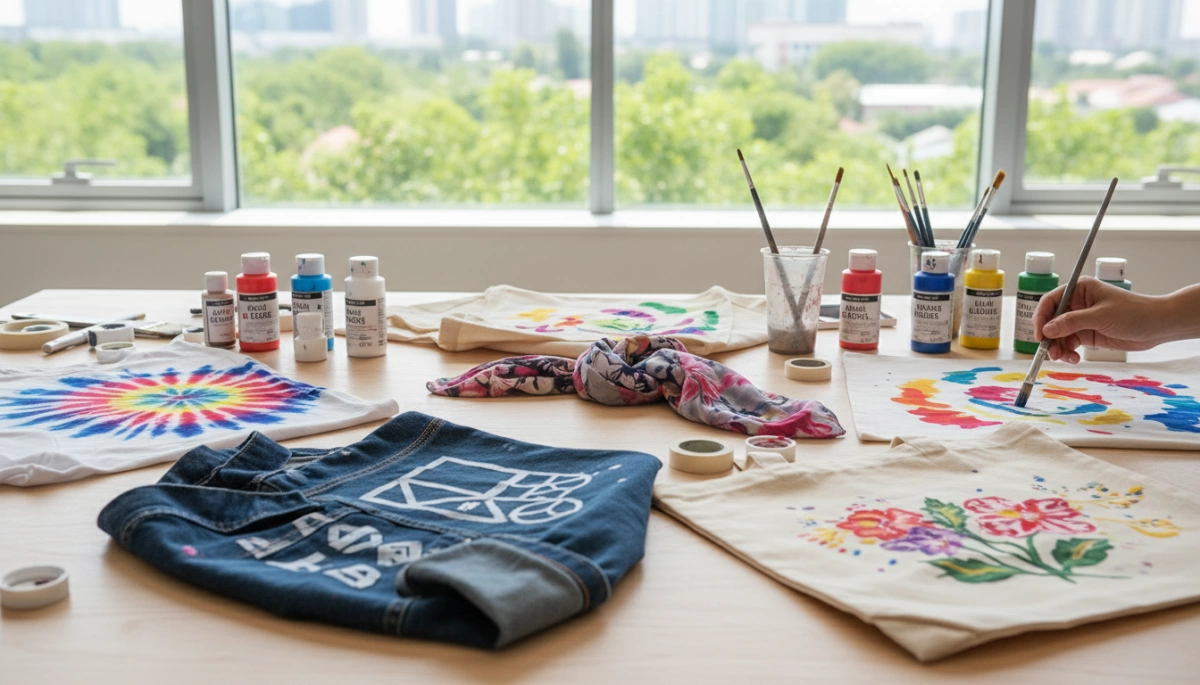
Acrylic Paint with Fabric Medium on Cotton Fabric to Paint
For most U.S. DIY projects, 100% cotton is the best fabric to paint on, and acrylics are my go-to. I treat them like budget-friendly fabric paint.
- Mix soft body acrylics with a fabric medium or textile medium (usually 1:1) so the paint flexes with the fabric.
- This combo works great on T‑shirts, quilting cotton, and upcycling clothes with fabric paint.
- You get strong color, good coverage, and solid colorfastness on fabric once you heat set it.
When to Use Dedicated Fabric Paint on Soft Fabric
If the fabric is soft, flowy, or something you actually want to feel comfortable in, I switch to dedicated washable fabric paint.
- Best for rayon, modal, soft cotton blends, and lightweight knits where stiffness is a problem.
- Fabric paint stays flexible and doesn’t leave that thick “plastic” feel, even on the best fabric to paint on for clothing.
- It’s ideal when you care more about comfort and drape than super opaque coverage.
Using Dimensional Puffy Paint on Textured or Slippery Fabric to Paint
For textured or slippery fabric to paint—like ribbed knits, faux leather, or slick polyester—I lean on dimensional puffy paint.
- It grips better on uneven or shiny surfaces where normal paint wants to slide.
- Great for outlines, raised details, and accent lines on denim fabric painting, DIY tote bag design, or small logos.
- Use it as an accent, not the whole design, so the fabric can still flex and move without feeling heavy.
Preparation Before You Paint on Fabric
Getting your fabric ready is what makes designs last. I never skip prep, whether I’m working on 100% cotton fabric to paint, denim, canvas, or a 50/50 cotton polyester blend.
Pre-washing fabric to paint and removing sizing
Most new fabric comes coated with “sizing” and factory chemicals that block paint from soaking in evenly. If you want the best fabric to paint on, you need it clean and pre-shrunk.
Here’s how I prep:
- Always pre-wash: Wash the fabric the same way you plan to wash it later (cold or warm, gentle cycle, no special treatment). This keeps your painted design from warping after the first real wash.
- Skip fabric softener: Softener leaves a slick film that hurts paint adhesion, especially on polyester fabric painting and jersey fabric painting.
- Use regular detergent: A basic detergent is enough to remove sizing and oils on cotton, denim, canvas, and most tight weave textiles.
- Dry completely: Let the fabric dry fully so you can see the true texture and how the weave sits before you paint on fabric.
Pre-washing gives you a clean, honest surface. Your colors grab better, stay brighter, and the fabric paint looks more professional.
Ironing fabric to paint for smooth, clean lines
Wrinkles and deep creases will ruin crisp edges, especially on detailed designs or DIY tote bag designs on canvas fabric for painting. I always iron the fabric before I sketch or lay down paint.
Key tips:
- Iron on the correct setting:
- Cotton/denim: Hot iron with steam.
- Synthetics (polyester, nylon): Lower heat to avoid melting.
- Work on a hard, flat surface: An ironing board or table gives you a stable base for sharp lines and stencils.
- Smooth in the painting direction: Iron in the direction you plan to paint so the weave sits naturally and doesn’t shift under your brush.
A flat, ironed surface makes painters tape, stencils, and even freehand lines look clean, especially when using soft body acrylics with fabric medium for acrylic paint.
Using barriers to stop paint bleeding through fabric layers
If you’re painting T‑shirts, hoodies, denim jackets, or tote bags, you need a barrier so paint doesn’t bleed through to the back. This is true for both thick heavyweight canvas and thinner cotton knit.
Simple barrier methods I use:
- Cardboard or chipboard: Slide it inside shirts, bags, or pillow covers. It stops bleed-through and keeps the fabric stretched and stable.
- Plastic sheets or freezer paper: Great for polyester fabric painting or nylon fabric painting where paint can seep fast. Plastic also keeps moisture from soaking through.
- Tape the fabric to the barrier: Lightly tape edges so the fabric doesn’t move while you paint on fabric. This helps maintain clean edges and even pressure.
Using a barrier not only protects the other layer; it also gives you a more controlled surface, which matters when you want sharp lines, solid fills, and long-lasting, colorfastness on fabric.
Making Painted Fabric Permanent
When I pick the best fabric to paint on for my shop, I’m always thinking about how to keep those designs locked in. If you’re painting on 100% cotton fabric, denim, or canvas fabric for painting, here’s how I make painted fabric permanent and washable.
Heat setting acrylic paint on fabric
I treat heat setting like a non‑negotiable step for acrylic paint with fabric medium or textile medium:
- Let the painted fabric air dry completely (at least 24 hours).
- Place a thin cotton cloth or parchment paper over the design.
- Use a dry iron on medium heat (no steam), pressing each area for 20–30 seconds.
- Keep the iron moving so you don’t scorch cotton, denim, or duck cloth for fabric paint.
This helps acrylic bond to the fibers and boosts colorfastness on fabric, whether I’m upcycling clothes with fabric paint or doing a DIY tote bag design.
Curing time before washing painted fabric
Even after heat setting, I give the paint time to cure into the fabric:
- Wait 3–7 days before the first wash, depending on how heavy the paint layer is.
- Heavier denim fabric painting or thick puffy paint designs need the full week.
- Lay the fabric flat in a dry space; don’t fold it onto itself while curing.
This curing window is what keeps washable fabric paint from cracking or peeling on your finished pieces.
How to wash painted fabric and keep designs from fading
Once cured, I wash painted fabric like it’s “gentle care only”:
- Turn garments inside out to protect the painted surface.
- Use cold water, mild detergent, and a gentle cycle (or hand wash).
- Skip bleach, harsh stain removers, and high‑heat dryer settings.
- Air dry or tumble dry low; high heat can dull colors and stress the paint film.
Handled this way, painted 100% cotton, canvas, or 50/50 cotton polyester blend pieces stay bright and sharp, even with regular wear and washing.