
Understanding The Slick: Why Is Your Skin So Oily?
If your face looks shiny again an hour after washing, you’re not imagining it. Oily skin comes down to overactive sebaceous glands that pump out more sebum than your skin actually needs.
What Causes Excess Sebum?
Your skin’s oil isn’t the enemy. You need some sebum for protection and moisture. The problem starts when production goes into overdrive:
- Hormones (especially androgens) push your oil glands to work harder, which is why oily, acne-prone skin often flares around puberty, periods, and stress.
- Genetics play a huge role. If your family has large pores and shiny T-zones, you’re more likely to deal with oily skin long-term.
- Environment and lifestyle matter: heat, humidity, heavy makeup, and sleeping in your makeup all increase excess oil production on the surface.
How Oily Skin Leads To Shine And Breakouts
When there’s too much sebum sitting on your skin, it doesn’t just cause a greasy look:
- Oil mixes with dead skin cells and makeup, creating clogged pores and blackheads.
- Those clogged pores trap bacteria, turning into whiteheads, pimples, and full-blown breakouts.
- Extra oil sitting on top of the skin makes your face look shiny, uneven, and harder to keep matte, even with good makeup.
This is exactly why choosing the right face wash for oily skin is a non‑negotiable part of any acne-prone skin routine.
The Stripping Myth: Why Harsh Face Wash Backfires
Many people think “the stronger the cleanser, the better for oily skin.” That’s the biggest trap:
- Harsh, alcohol-heavy cleansers strip all your natural oils, leaving your face tight and squeaky-clean.
- Your skin reads that as damage and reacts with a rebound effect—it produces even more oil to “fix” the dryness.
- Over time, this creates a cycle of over-cleansing → dryness → excess oil → more breakouts.
Instead of going harsher, you need a balanced, pH‑friendly face wash for oily skin that removes dirt and excess oil without burning your moisture barrier.
Face Wash for Oily Skin: Green Flag Ingredients
When I build or pick a face wash for oily skin, I care more about the ingredient list than the logo on the bottle. For real sebum control and fewer breakouts, I look for a non-comedogenic cleanser with these proven “green flag” ingredients:
Why Ingredients Matter More Than Branding
A good face wash for oily skin should be:
- pH-balanced (close to skin’s natural pH) so it doesn’t trigger excess oil production
- Sulfate-free or low-foam, so it cleans without stripping
- Non-comedogenic, so it won’t clog pores or make acne worse
- Focused on sebum control, not just a temporary “tight” feeling
Brand hype doesn’t clear pores; smart formulas do.
Salicylic Acid Face Wash Benefits
For clogged pores and acne-prone skin, a salicylic acid face wash is usually my first pick:
- Gently breaks down oil, blackheads, and whiteheads inside the pore
- Helps keep pores clear, which cuts down on new breakouts
- Works well in a daily acne-prone skin routine when used 1–2 times a day
If your skin gets dry or tight, use it once a day and pair it with a lightweight, oil-free moisturizer.
Niacinamide in Face Wash for Oily Skin
I’m a big fan of niacinamide in a cleanser for oily, red, or irritated skin:
- Helps balance excess oil production over time
- Calms redness and blotchiness, especially around active breakouts
- Supports the skin barrier, which matters if you use actives like retinoids or BHA
Look for face wash for oily skin that lists niacinamide high in the ingredients, not just as a marketing line.
Hyaluronic Acid for Dehydrated Oily Skin
Oily skin in the U.S. is often dehydrated from AC, heaters, and over-cleansing. That’s where hyaluronic acid comes in:
- Pulls in water to keep skin hydrated without feeling greasy
- Helps avoid that tight, stripped feeling after cleansing
- Supports a smoother, more balanced look so your mattifying skincare layers better
A good face wash for oily skin can be both clarifying and lightly hydrating.
Clay-Based Face Wash for Shine Control
For people dealing with constant T-zone shine, a clay-based face wash can make a big difference:
- Ingredients like kaolin or bentonite help absorb extra oil on the surface
- Great before makeup for longer-lasting, mattified skin
- Best used once a day or a few times a week so you don’t over-dry your skin
This is especially useful if you live in a hot, humid U.S. climate or work long shifts.
Tea Tree Oil Cleansers for Acne-Prone, Oily Skin
When I build formulas for breakout-prone customers, I sometimes add tea tree oil in low, skin-safe levels:
- Has natural properties that help with acne-causing bacteria
- Pairs well with salicylic acid in a face wash for oily, acne-prone skin
- Works best in a gentle, sulfate-free face wash to avoid irritation
If your skin is sensitive, look for tea tree oil lower on the ingredient list and always patch test first.
The bottom line: a face wash for oily skin should focus on salicylic acid, niacinamide, hyaluronic acid, gentle clays, and well-dosed tea tree oil—not harsh alcohols, heavy fragrances, or trendy packaging.
Face Wash for Oily Skin: Red Flag Ingredients to Avoid
When I build a face wash for oily skin, I’m just as picky about what I leave out as what I put in. If you’re trying to keep sebum control, shine, and clogged pores in check, these are the ingredients I tell customers in the U.S. to avoid.
Alcohol-heavy cleansers
High levels of drying alcohols (like SD alcohol, denatured alcohol, alcohol denat.) feel good at first, but they backfire fast.
- They strip your skin barrier, so your skin responds with more excess oil production
- They can sting, dry out the surface, and make acne-prone skin more irritated
- Over time, they wreck balance, so your oily skin looks greasy and flaky at the same time
If “alcohol denat.” is near the top of the ingredient list, I skip it for daily use.
Comedogenic heavy oils
Oily, acne-prone skin does better with a non-comedogenic cleanser, not a balm loaded with thick oils.
- Heavy, pore-clogging oils (like coconut oil, cocoa butter, some waxes) can block pores and trigger breakouts
- They sit on top of the skin, trapping sweat and bacteria in humid or hot U.S. climates
- They fight against any mattifying skincare you’re using afterward
I look for light, non-comedogenic options instead—think squalane, jojoba, or hemp seed oil in a well-formulated cleanser.
Physical scrubs and micro-tears
Rough scrubs in a face wash for oily skin are a big no for acne-prone skin.
- Harsh beads, shells, or sugar grains can cause micro-tears, making redness and inflammation worse
- Broken skin means more irritation from the rest of your acne-prone skin routine
- They don’t unclog pores as precisely as a gentle exfoliation with acids (like salicylic acid)
If the cleanser feels sandy, scratchy, or “scrubby,” I wouldn’t use it on breakouts.
Harsh sulfates and over-foaming
That super-squeaky, tight feeling after washing? That’s usually harsh sulfates at work.
- Strong surfactants like SLS (sodium lauryl sulfate) can over-clean the skin and damage the barrier
- A huge, fluffy foam often means a less pH-balanced cleanser and more dryness
- Your skin overcompensates with more oil, so shine and clogged pores get worse
For oily skin, I aim for a sulfate-free face wash that foams lightly, rinses clean, and never leaves the skin feeling tight or stripped.
Best Texture of Face Wash for Oily Skin
When I build a routine around a face wash for oily skin, I focus less on hype and more on texture. The texture decides how deep it cleans, how stripped you feel, and how your skin behaves by lunchtime.
Gel Cleanser vs Foam Cleanser for Oily and Acne‑Prone Skin
For most people with oily or acne-prone skin, a gel cleanser is the safest daily pick.
Gel cleanser (my go-to)
- Great for: oily, acne-prone, combination, and teen skin
- Benefits:
- Solid sebum control without leaving you tight or squeaky
- Works well with salicylic acid and niacinamide for clogged pores
- Easier to keep pH-balanced and sulfate-free
- Use if you want: a non-comedogenic cleanser that keeps shine down but doesn’t wreck your moisture barrier
Foam cleanser (use with a bit more strategy)
- Great for: very oily skin, humid summers, post-gym face wash
- Pros:
- Fast, deep clean that cuts through heavy oil and sunscreen
- Feels light and “fresh” if you hate any residue
- Watch out for:
- Harsh sulfates, over-foaming, or that “tight” feeling afterward
- If your skin stings, flakes, or gets red, the foam is too strong
When a Foaming Face Wash for Oily Skin Makes Sense
A foaming face wash for oily skin can be clutch if you use it in the right situations:
- You live in a hot, humid state and get greasy by 10 a.m.
- You wear long-wear foundation, SPF, and layered products every day
- You have very oily, acne-prone skin and need a deeper clean a few nights a week
- You add it as the second step in double cleansing for oily skin, after an oil-based or balm cleanser
If you go with foam, I keep it to:
- Sulfate-free face wash with mild, skin-friendly surfactants
- pH-balanced cleanser to keep the barrier healthy
- Used once a day at most, not every time you wash your face
Cream and Milk Cleansers for Sensitive or Dehydrated Oily Skin
Oily doesn’t always mean hydrated. A lot of my customers in the US have dehydrated oily skin: shiny T-zone, tight cheeks, random flakes. For that, a light cream or milk cleanser can make more sense than another aggressive foam.
Who they’re for
- Oily but sensitive skin (easily red, stinging, or reactive)
- Dehydrated oily skin from acne treatments, retinoids, or over-cleansing
- Combination skin with oily T-zone and dry or normal cheeks
What to look for
- Lightweight, non-comedogenic formula (no heavy, pore-clogging oils)
- Hydrating ingredients like hyaluronic acid, glycerin, or ceramides
- “Gentle,” “fragrance-free,” and “dermatologist-recommended” claims for sensitive skin
How I like to use them
- Morning: cream or milk cleanser to keep the barrier calm
- Night: gel or mild foaming face wash for oily skin for better sebum control and makeup removal
Dialing in the right texture—gel most days, foam when needed, cream or milk when your barrier is mad—is how you keep excess oil production in check without destroying your skin.
Top Picks: Best Face Wash for Oily Skin by Category
Dermatologist-recommended face wash for oily skin
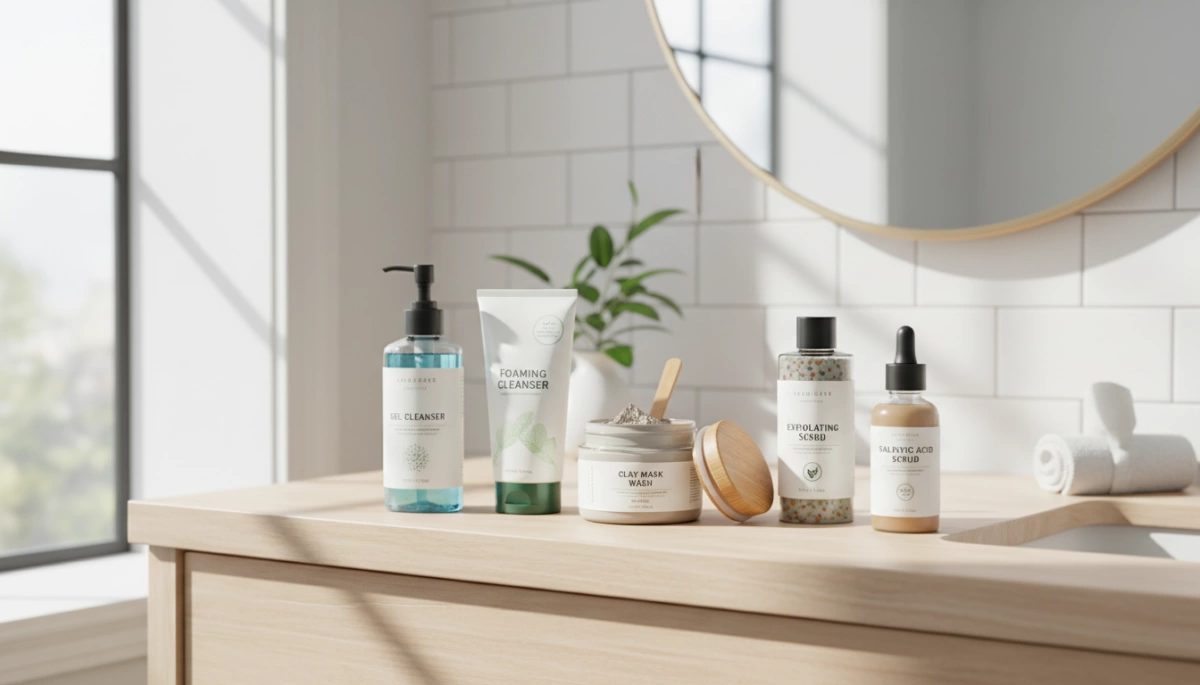
For a dermatologist-recommended face wash for oily skin, I always look for a pH-balanced cleanser that gives real sebum control without wrecking your moisture barrier. In the U.S., most derms push formulas that are fragrance-free, non-comedogenic, and sulfate-free, because they’re safer for long-term, daily use. I focus my top picks on:
- Gentle gel formulas that remove excess oil and sunscreen without a tight, squeaky feel
- Non-comedogenic cleansers that won’t clog pores or trigger more breakouts
- Derm-tested labels, which usually means better tolerance for acne-prone skin and combo skin
If your skin is oily but easily irritated, this type of dermatologist-recommended face wash is the safest starting point.
Best acne-fighting face wash with salicylic acid
For stubborn clogged pores and breakouts, a salicylic acid face wash is usually the MVP in an acne-prone skin routine. Salicylic acid gets inside pores, breaks down oil, and helps prevent new blackheads and whiteheads. When I choose or develop an acne-fighting face wash for oily skin, I make sure it checks these boxes:
- Low to medium salicylic acid strength (0.5–2%) for daily use
- Light gel texture for fast rinse-off and no residue
- Support ingredients like soothing botanicals or panthenol to cut down on dryness and redness
Use this kind of cleanser once or twice a day, then follow with a lightweight, oil-free moisturizer to keep dehydrated oily skin from freaking out.
Budget-friendly face wash for oily and acne-prone skin
If you’re watching your budget, you can still get a solid face wash for oily and acne-prone skin without sacrificing quality. When I build budget-friendly options for the U.S. market, I keep the formula focused and skip the marketing fluff:
- Simple ingredient list, no heavy perfumes or fancy fillers
- Sulfate-free face wash base that still foams lightly for that “clean” feel
- Oil-control support like zinc, mild acids, or clay to help with shine and clogged pores
You don’t need a $40 cleanser to get sebum control. A good, affordable gel cleanser with the right basics can hold its own against more expensive brands.
Luxury gel face wash for oily skin and sebum control
If you like a more elevated experience, a luxury gel face wash for oily skin can deliver both performance and a nice daily ritual. When I position a premium cleanser, I focus on texture, sensorics, and long-term skin benefits:
- Silky gel texture that spreads easily and rinses clean with no film
- Refined actives for mattifying skincare, like niacinamide for pore appearance and oil balance
- Subtle, non-irritating fragrance (or essential-oil-free options) tailored for U.S. sensitivities
This kind of cleanser is ideal if you deal with excess oil production but still want your routine to feel a little more high-end without going overboard on harsh actives.
Best face wash for sensitive, oily, and combination skin
Sensitive, oily, and combination skin is its own category, and it needs a face wash that balances everything at once. For this group, I design cleansers around calm, lightweight hydration plus gentle cleansing:
- Ultra-gentle, pH-balanced cleanser that won’t sting or burn
- No drying alcohols, no rough scrubs, no strong fragrance
- Hydrating and barrier-supporting ingredients, like hyaluronic acid, glycerin, and ceramides, to keep dehydrated oily skin from getting flaky
This type of face wash for oily skin works if your T-zone is shiny, your cheeks are sensitive, and you’re trying to avoid flare-ups while still keeping pores clear.
How to Use Face Wash for Oily Skin the Right Way
Double cleansing for oily skin (step by step)
If I’m wearing sunscreen, long-wear makeup, or I’ve been out all day in the city, I treat double cleansing as non‑negotiable for sebum control:
First cleanse (oil or balm):
- Apply a small amount of a light, non-comedogenic cleanser or cleansing balm on dry skin.
- Massage for 30–45 seconds, focusing on the T‑zone, sides of the nose, and jawline where clogged pores build up.
- Rinse with lukewarm water.
Second cleanse (gel or gentle foam):
- Use a pH-balanced cleanser or sulfate-free face wash for oily skin.
- Work it into damp skin, again focusing on oily areas and acne-prone spots.
- Rinse fully and gently pat dry with a clean towel.
I don’t double cleanse in the morning—only at night when there’s more buildup from the day.
The 60-second cleansing rule
Most people in the U.S. rush this step and then wonder why their acne-prone skin routine isn’t working. I stick to the 60-second rule:
- Massage your face wash for oily skin over damp skin for about 60 seconds.
- Use light, slow circles over oily areas, not aggressive scrubbing.
- This gives time for ingredients like salicylic acid or niacinamide to actually contact the skin and help with gentle exfoliation, excess oil production, and mattifying skincare results.
Best water temperature for oily skin
Using the right water temp makes a bigger difference than people think:
- Skip hot water: It can strip your barrier and trigger more oil.
- Avoid icy-cold water: It feels refreshing but doesn’t cleanse as well.
- Go lukewarm: This is the sweet spot that supports sebum control without drying you out, especially if you’re dealing with dehydrated oily skin.
How often to wash oily skin (without stripping it)
Over-washing is one of the fastest ways to wreck oily, acne-prone skin. Here’s the routine I recommend for most U.S. customers:
Morning:
- Cleanse once with a gentle gel cleanser or non-comedogenic cleanser made for oily or combination skin.
Night:
- Double cleanse if you wore makeup or sunscreen; single cleanse if you didn’t.
Avoid:
- Washing more than 2–3 times a day, even if you’re very oily. Instead, use oil-absorbing sheets or a mattifying skincare product during the day.
This routine keeps pores clear, supports sebum control, and protects your barrier so your face wash for oily skin can actually work long-term.
Face Wash for Oily Skin: Quick FAQs
Can I use a face wash for oily skin on sensitive skin?
Yes, but I stay picky. A face wash for oily skin can work on sensitive skin if it’s:
- Labeled non-comedogenic, fragrance-free, and sulfate-free
- A pH-balanced cleanser (around skin’s natural pH)
- More gel or cream texture, not a harsh stripping foam
I always recommend patch testing on the jawline first. If you feel burning, tightness, or see redness within a few minutes, that cleanser is too aggressive for sensitive, oily skin.
Can a hydrating face wash replace moisturizer?
No, it shouldn’t. Even the best hydrating face wash for oily skin:
- Rinses off, so it can’t lock in moisture
- Helps with dehydrated oily skin, but doesn’t fully protect your skin barrier
- Works best when you follow with a light, oil-free, non-comedogenic moisturizer
If your skin gets shiny but still feels tight, you don’t need less moisture—you need better sebum control plus a lightweight moisturizer, not just a cleanser.
How long does a face wash for oily skin take to work?
Timing depends on your skin and routine, but here’s what I see most often:
- Oil and shine control: 3–7 days of consistent use
- Fewer clogged pores and breakouts: 2–4 weeks with a good salicylic acid face wash
- Texture and tone improvements: 6–8 weeks, especially if your routine is simple and consistent
Use your face wash for oily skin twice daily, avoid bouncing between products every few days, and give it at least a full month before you judge the results.