Spray vs Gel Hand Sanitiser
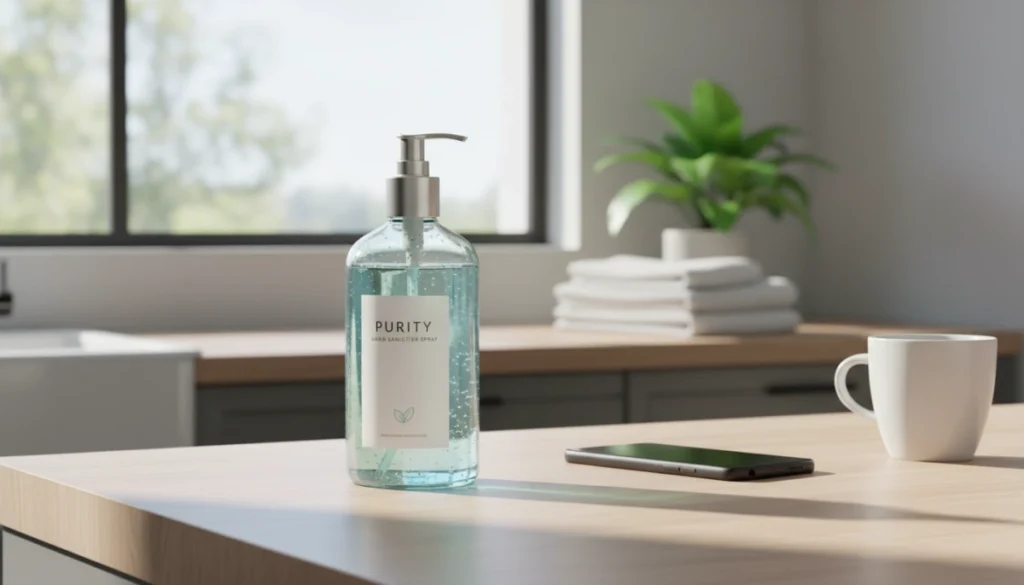
When it comes to everyday hygiene, I always reach for a sanitiser hand spray over a gel. Both fight germs, but a well-formulated, alcohol based hand spray simply feels cleaner, lighter, and more practical for real life.
Fast Absorption, Non-Sticky Feel
A quality sanitiser hand spray with around 70% alcohol content goes on as a fine antibacterial hand mist, not a heavy blob.
- The mist spreads quickly, then evaporates fast for a quick-drying hand spray experience.
- The texture feels weightless, so you’re not stuck rubbing in thick gel for 30 seconds.
- With the right non-sticky formula, your hands feel clean and refreshed, not tacky or greasy.
By contrast, many gel hand sanitisers use higher levels of thickening agents:
- Gels often sit on top of the skin longer and can leave a sticky film.
- That stickiness traps dust and lint, which feels the opposite of “just cleaned.”
- If you’re using a laptop, phone, or steering wheel, that residue gets annoying fast.
Why Sprays Feel Cleaner on Skin
With my sanitiser hand spray, I focus on a fine, even mist that mimics a rinse-free hand wash without water:
- Fine particles coat the skin evenly, so you get germ protection without overloading your hands.
- The alcohol flashes off quickly, taking that “wet” feeling with it.
- A balanced, hydrating hand sanitiser spray formula (with light moisturizers) helps skin feel soft instead of stripped.
That’s why, especially in the US market where we’re constantly on our phones and keyboards, people tell me they prefer a spray vs gel hand sanitiser for daily use.
Hands and High-Touch Surfaces
One big advantage of a disinfectant spray for hands is versatility. With a targeted, pump-style spray (not an aerosol), you can use it on:
- Hands before and after touching shared items
- High-touch surfaces like door handles, shopping cart grips, elevator buttons, and gym equipment
- Phone cases, steering wheels, and keyboards when you’re on the go
I design my portable sanitation sprays so they work as both a sanitiser hand spray and a quick hygiene boost for small, frequently touched surfaces—without feeling like you just dipped your hands in glue.
Does Sanitiser Hand Spray Really Work?
Germ Protection With Alcohol Based Hand Spray
Yes, a good sanitiser hand spray works when it’s made right and used right. For real germ protection, I always go with a WHO recommended formula:
- Look for 60–70% alcohol content on the label (either ethyl alcohol/ethanol or isopropyl alcohol).
- That range is strong enough to kill most common germs on your hands without being overkill on your skin.
- Anything under 60% alcohol is more like a scented mist than a true disinfectant spray for hands.
Spray vs Gel Hand Sanitiser Coverage
Compared to a gel, an antibacterial hand mist spreads fast and gets into all the small spots:
- Sprays give even, light coverage over both sides of your hands and between fingers.
- Gels can clump in one area and take longer to rub in.
- A quick-drying hand spray with a non-sticky formula makes it easier to use often, especially when you’re out and need travel size hygiene.
How Many Pumps Of Sanitiser Hand Spray You Need
To actually work, you need enough alcohol based hand spray to fully wet your hands:
- For a standard pocket size sanitiser spray, use about 3–6 pumps (or until your hands feel noticeably damp).
- Rub until completely dry; don’t wipe off or wave your hands to “speed it up,” or you cut the germ kill time short.
- If your hands dry in under 10 seconds, you probably didn’t use enough and should add another pump or two.
Used this way, a moisturizing hand sanitiser spray delivers fast, reliable germ protection without the mess or stickiness of most gels.
Sanitiser Hand Spray Ingredients to Look For
Alcohol Types in Sanitiser Hand Spray
When I choose a sanitiser hand spray, I always start with the alcohol type and level. For real germ protection, I stick with:
- Ethyl alcohol (ethanol) at 60–70% alcohol content – this lines up with WHO recommended formula standards and is what most hospitals use.
- Isopropyl alcohol is also effective, but it can feel a bit drier on the skin, so I prefer formulas that balance it with moisturizers.
- I avoid “alcohol-free” antibacterial hand mist when I actually need disinfectant spray for hands, because they usually don’t match the same germ-killing level as an alcohol based hand spray.
Hydrating Ingredients: Glycerin, Aloe Vera, Vitamin E
A good non-sticky formula shouldn’t wreck your skin barrier. For a moisturizing hand sanitiser that still feels light, I look for:
- Glycerin – pulls in moisture so hands don’t crack with constant use.
- Aloe vera extract – calms and soothes, great if you sanitize a lot at work, the gym, or while traveling.
- Vitamin E – supports skin recovery and keeps frequent use more comfortable.
These turn a basic spray into a hydrating hand sanitiser spray you can use all day without feeling dried out.
Fragrance vs Essential Oil Sanitiser Hand Spray
For US customers with sensitive skin hygiene needs, fragrance matters just as much as alcohol:
- Fragrance-free or lightly scented options are best if your skin reacts easily or you use a pocket size sanitiser spray all day.
- Essential oil sanitiser sprays (like lavender, citrus, or tea tree) smell great, but can still irritate some skin types if the oil levels are too high.
- I keep my own formulas clean and minimal: no heavy perfume, no harsh dyes, and very low‑irritant scent blends so they work for everyday travel size hygiene, office use, and family use.
Bottom line: for a daily hand sanitiser spray for travel or portable sanitation, I want 60–70% alcohol, strong moisturizers, and a gentle scent profile that won’t bother my skin or anyone around me.
Daily Ways to Use Sanitiser Hand Spray
Travel & Commuting with Pocket Sanitiser Hand Spray
When I’m on the go, a pocket size sanitiser hand spray is non‑negotiable. I keep an alcohol based hand spray in:
- My car console for gas pumps, drive‑thru cash, and toll booths
- My work bag or backpack for trains, buses, rideshares, and elevators
- My carry‑on as a hand sanitiser spray for travel (TSA‑friendly, under 3.4 oz)
A quick‑drying, non-sticky formula gives me fast germ protection without leaving residue on my phone, wallet, or steering wheel.
Using Hand Sanitiser Spray Before Eating Out
As a foodie, I use sanitiser hand spray before touching any food when I’m out:
- Before grabbing tacos, burgers, or street food
- After handling menus, door handles, or payment terminals
- When there’s no sink nearby for a rinse-free hand wash
An antibacterial hand mist with 60–70% alcohol content kills germs fast, and a moisturizing hand sanitiser with aloe vera extract keeps my hands from drying out even with frequent use.
Gym, Office, and Public Space Hygiene
In the gym and office, sanitiser hand spray is my quick backup disinfectant spray for hands:
- Gym: Before and after weights, machines, and shared mats
- Office: After using shared keyboards, conference room remotes, and breakroom appliances
- Public spaces: After touching carts, kiosks, elevator buttons, and railings
A portable sanitation spray that dries fast fits easily into a pocket, lanyard, or badge reel so I actually use it.
Using Sanitiser Hand Spray Around Kids Safely
Around kids, I’m careful to use sanitiser hand spray the right way:
- I spray on my own hands first, then help younger kids rub it in until dry
- I avoid strong fragrance and go for gentle, hydrating hand sanitiser spray for sensitive skin
- I keep the refillable spray bottle out of reach and never let kids spray it into the air or near their face
For families in the United States, a WHO recommended formula with around 70% alcohol content plus skin-friendly ingredients hits the balance between strong germ protection and everyday sensitive skin hygiene.
Sustainable Sanitiser Hand Spray Choices
Refillable sanitiser hand spray bottles and bulk buys
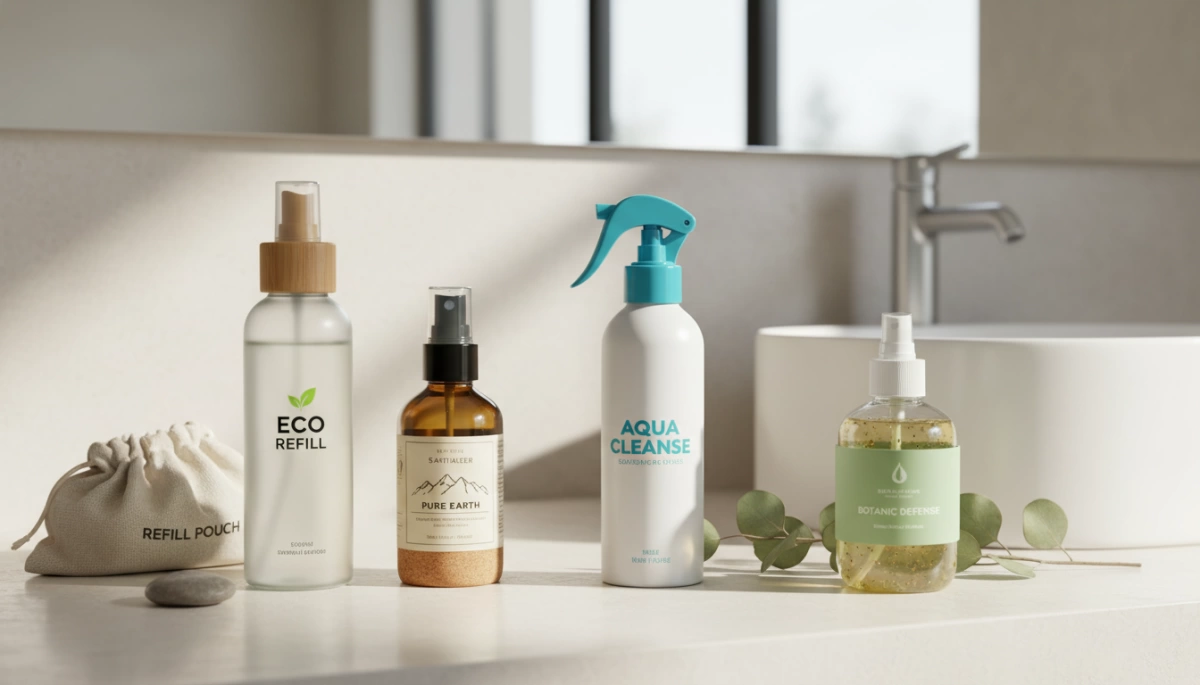
I stay stocked with sanitiser hand spray by using refillable hand mist bottles and buying refills in bulk. It cuts waste and saves money. For daily use in the U.S. (car, office, gym), I like:
- A pocket size sanitiser spray for on-the-go
- A larger refillable spray bottle at home for top-ups
- Bulk 70% alcohol content refills so I’m not paying for new packaging every time
If you’re using an alcohol based hand spray all day, this setup keeps your portable sanitation routine simple and more sustainable.
DIY sanitiser hand spray at home: pros and cons
Making a DIY disinfectant spray for hands sounds smart, but it comes with trade-offs.
Pros:
- You control scent (unscented or essential oil sanitiser)
- Lower cost per ounce
- Less packaging waste
Cons:
- Easy to miss the WHO recommended formula
- Hard to keep a consistent 70% alcohol content
- Risk of skin irritation if the mix is off
- No stability or contamination testing
For daily sensitive skin hygiene, I don’t take chances with a mix that might not deliver real germ protection.
Why lab-tested sanitiser hand spray is safer
I lean on lab-tested sanitiser hand spray because the formula and performance are verified, not guessed. A good moisturizing hand sanitiser is:
- Tested to confirm effective germ protection
- Formulated with known-safe levels of aloe vera extract, glycerin, and vitamin E
- Checked so the non-sticky formula actually dries fast and doesn’t leave residue
For customers here in the U.S. who want reliable, rinse-free hand wash in a travel size hygiene format, a lab-tested antibacterial hand mist in a refillable hand mist bottle is the safest and most sustainable long-term choice.
How To Use Sanitiser Hand Spray Step by Step
How to Shake and Prep Your Sanitiser Hand Spray
Before I use any alcohol based hand spray, I always prep it so it works the way it should.
- Make sure the cap is on tight, then shake the sanitiser hand spray for 3–5 seconds so the alcohol and hydrating ingredients (like glycerin or aloe vera extract) mix evenly.
- Check the nozzle on your refillable spray bottle or pocket size sanitiser spray to be sure it’s not clogged.
- Hold the antibacterial hand mist bottle upright, about 2–3 inches from your palm for best control and coverage.
How to Spray and Rub for Full Hand Coverage
With spray vs gel hand sanitiser, full coverage comes down to how you apply it. Here’s what I do every time for real germ protection:
- Use 3–5 pumps of quick-drying hand spray, depending on your hand size and your specific spray nozzle. Your hands should feel wet, not just lightly misted.
- Rub your hands together, covering:
- Palms and backs of hands
- Between fingers
- Around thumbs
- Fingertips and under nails
- Keep rubbing until the non-sticky formula spreads evenly, just like a rinse-free hand wash, with no dry spots left.
How Long to Let Hand Sanitiser Spray Dry
Dry time matters if you want that 60–70% alcohol content to actually work.
- Let the hand sanitiser spray air-dry completely; don’t wipe it off on your jeans, steering wheel, or gym towel.
- In normal room conditions in the US, a good alcohol based hand spray should dry in about 20–30 seconds.
- If it dries in just a few seconds, you probably didn’t use enough; if your hands are still wet after 45 seconds, use fewer pumps next time.
Used this way, a hydrating hand sanitiser spray gives fast, effective, portable sanitation with that clean, non-sticky feel most of us in the States prefer on the go.