Why Are My Lips So Dry?
If you feel like you’ve tried every “best lip balm for dry lips” and your lips are still tight, flaky, or cracking, there’s a real reason for it—and it’s not just bad luck.
The Anatomy Of Dry, Chapped Lips
Your lips are naturally fragile:
- They have no oil glands, so they can’t self-lubricate like the rest of your skin.
- The skin is thin and exposed, so moisture escapes fast.
- Any break in the surface makes it easy for water to evaporate and irritants to get in, which slows lip barrier repair.
That’s why when your environment is even slightly harsh, your lips are the first to dry out.
Everyday Triggers That Strip Lip Moisture
Most people with dry, chapped lips are dealing with constant triggers like:
- Cold weather and wind that pull water out of the skin.
- Indoor heating and AC that create dry air and speed up moisture loss.
- Sun exposure without SPF lip protection, which breaks down the lip barrier over time.
When these hit at the same time, even a decent hydrating lip treatment can struggle to keep up.
Dehydration From The Inside Out
If you’re not hydrated, your lips will show it first:
- Not drinking enough water means less moisture available for the skin.
- High caffeine, alcohol, and salty foods can make dry, chapped lips worse.
Even the best lip balm for dry lips can only do so much if your body is running low on water.
Why Lip-Licking Makes Lips Worse
Lip-licking feels soothing for a second, but it’s a trap:
- Saliva evaporates quickly, taking more moisture with it.
- Enzymes in your saliva actually break down the delicate lip skin.
- This creates a cycle: dry → lick → drier → more licking → cracked lips.
If your lips are always burning or tight, this habit is often a big part of the problem.
Irritating Lip Balm Ingredients To Watch Out For
A lot of people think they’re using a chapped lips remedy, but their lip balm is quietly making things worse. Common culprits include:
- Fragrance and flavor (mint, cinnamon, citrus, vanilla) that can sting and irritate.
- Menthol, camphor, and phenol, which feel cooling but can dry and damage the surface.
- High levels of alcohol that evaporate and strip moisture.
If your balm burns, tingles, or smells strong, it’s usually not the best lip balm for dry lips—especially if you have sensitive skin lip care needs or allergy-prone lips.
Ingredient Checklist for the Best Lip Balm for Dry Lips
When I pick or formulate the best lip balm for dry lips, I always start with the ingredient list. The right mix makes the difference between a true chapped lips remedy and a balm that just sits there (or makes things worse).
Must‑have hydrating ingredients
Look for a hydrating lip treatment that combines several moisture boosters, not just one:
- Hyaluronic acid – draws water into the lips for a fuller, smoother feel; great if your lips look lined or shriveled.
- Glycerin – classic humectant that pulls in moisture and keeps lips soft through the workday.
- Aloe vera, panthenol (pro‑vitamin B5) – calm irritation and give quick comfort when your lips are burning or stinging.
These humectants are key if you want fast, noticeable moisture without a greasy feel.
Occlusives that seal in hydration
To actually fix dry, cracked lips, you need occlusive moisturizers that lock everything in:
- Petrolatum (petroleum jelly) – dermatologist recommended lip balm staple; excellent for healing cracked lips and severe dryness relief.
- Beeswax – helps balm stay put, adds a breathable shield against wind and cold.
- Shea butter for lips – rich, buttery, and perfect for winter; great in an overnight lip mask.
- Other occlusives – mineral oil, squalane, dimethicone can also help seal in moisture.
I like a formula that layers humectants + occlusives so your lips stay comfortable longer, especially in heated or air‑conditioned spaces.
Emollients for lip barrier repair
For real lip barrier repair, you also want emollients that smooth and strengthen the skin on your lips:
- Ceramides – help rebuild the lip barrier, ideal if your lips are always peeling or stinging.
- Lanolin – very effective for healing cracked lips, but not for everyone (common allergy); if you’re sensitive, go for a lanolin‑free balm.
- Natural oils – like jojoba, sunflower, or coconut oil to soften and nourish without feeling heavy.
A good hydrating lip treatment usually blends emollients with shea butter or petrolatum for all‑day comfort.
Ingredients to avoid for dry, sensitive lips
A lot of balms in the U.S. market feel tingly or taste great, but they can wreck sensitive skin lip care. If your lips are always irritated, avoid:
- Fragrance and flavor – “vanilla,” “berry,” “mint,” or “natural flavor” can all be irritating.
- Menthol, camphor, phenol, eucalyptus – that cooling, burning, or “fresh” feel often means more dryness later.
- Strong essential oils – peppermint, cinnamon, citrus oils are common triggers.
- Alcohol‑heavy formulas – can sting and strip moisture, especially in winter.
If your lips keep getting worse no matter how often you apply balm, there’s usually a hidden irritant in the mix.
How to read lip balm labels if you’re sensitive or allergy‑prone
If you have sensitive skin or allergies, treat your lip balm like skincare:
- Look for “fragrance‑free”, not “unscented” (unscented products can still have masking fragrance).
- Scan the first 5–7 ingredients – that’s most of the formula; you want things like petrolatum, shea butter, glycerin, ceramides.
- Check for your known triggers – lanolin, beeswax, or certain plant oils if you’ve reacted to them before.
- Prefer short ingredient lists – simpler is usually safer for allergy‑prone lips.
- Seek “dermatologist tested” or “for sensitive skin” when possible, especially if you’ve had eczema or contact allergies.
When I build or choose the best lip balm for dry lips for U.S. customers, I focus on this simple rule: humectant + occlusive + emollient, with no irritating extras. That formula gives you real, lasting relief instead of constant reapplying with no results.
Best Lip Balm for Dry Lips: Top Picks by Need
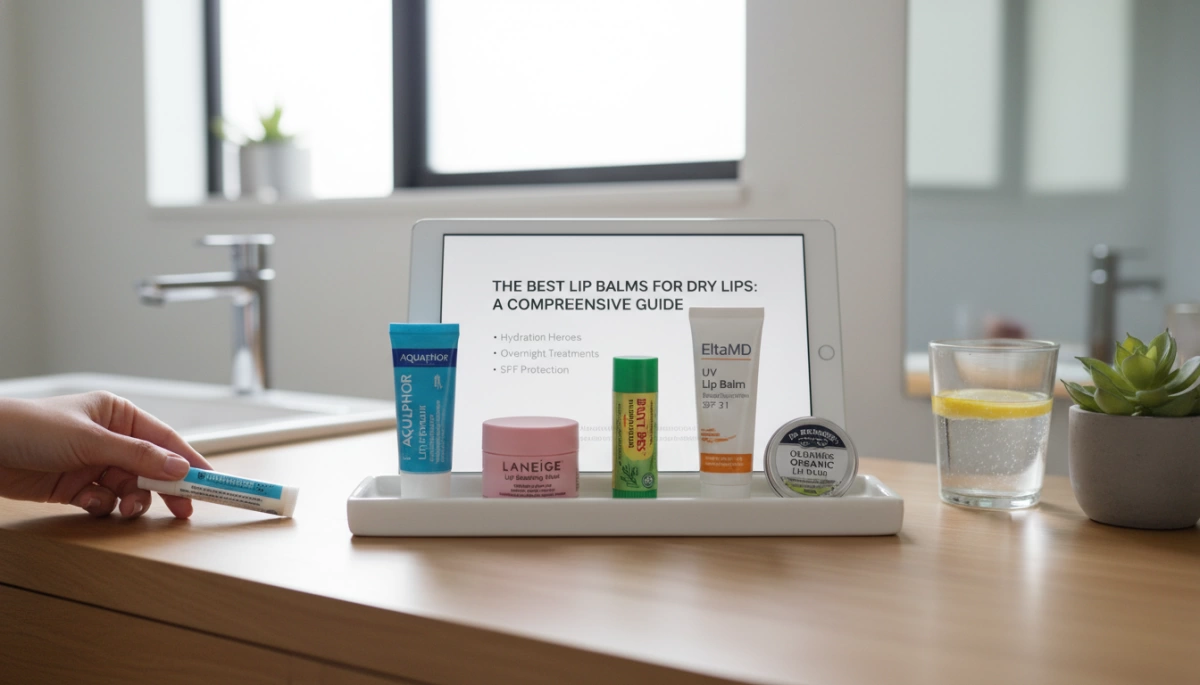
When I test formulas for my own customers in the U.S., I focus on one thing first: does this actually fix dry, chapped lips fast without burning, stinging, or peeling? Below are the types of hydrating lip treatments I recommend most, sorted by need so you can match the best lip balm for dry lips to your daily routine and budget.
Best Overall Lip Balm for Severe Dry Lips and Cracked Lips
For severe dryness and healing cracked lips, you want a thick, cushiony balm that grips the lips and doesn’t disappear in 10 minutes. Look for a formula built around:
- Occlusive moisturizers like petrolatum, beeswax, or squalane to seal in hydration
- Lip barrier repair ingredients like ceramides, cholesterol, and fatty acids
- Healing boosters like panthenol (vitamin B5) and colloidal oatmeal
This type of dermatologist-recommended lip balm works best if you:
- Apply a generous layer before bed and a thin layer during the day
- Reapply after eating, brushing your teeth, or being outdoors in wind/cold
- Avoid layering it over tingling or flavored products that can irritate cracks
Best Drugstore Lip Balm for Dry Lips on a Budget
If you’re shopping at Target, Walmart, CVS, or Walgreens, you can still get a solid chapped lips remedy without paying luxury prices. At the drugstore, I look for:
- Petrolatum-based sticks or ointments with minimal ingredients
- Shea butter for lips, cocoa butter, or mineral oil for softness
- Fragrance-free lip balm with “for sensitive skin” or “hypoallergenic” on the label
Budget tips I share with U.S. customers:
- Stick with unscented, non-tingly versions even if the fruity flavors look fun
- Choose a lanolin-free balm if you’ve ever reacted to wool or certain lip products
- Keep one in your car and one at your desk so you actually reapply often
Best Luxury Lip Treatment for Dry, Chapped Lips
If you’re willing to spend more, a luxury hydrating lip treatment can feel smoother, look glossier, and double as a lip gloss replacement. What usually justifies the higher price is:
- Multi-weight hyaluronic acid for lips to plump and draw in water
- Rich emollients like shea butter, murumuru butter, and plant oils
- Softer textures that melt into the lips and wear well under lipstick
Who this suits best:
- You want your chapped lips remedy to also give a polished, “no-makeup” look
- You’re fine reapplying a silky, gloss-like treatment several times a day
- You prefer elevated packaging and textures and don’t mind a splurge
Just stay away from strong perfumes and intense flavors, even in high-end formulas. Luxury doesn’t always mean gentle.
Best Lip Balm with SPF for Daytime Sun Protection
In the U.S., UV damage is a big reason lips stay dry and age faster, especially if you’re driving a lot, at the beach, or skiing. For daytime, I always recommend a lip balm with SPF as your first layer. Look for:
- SPF 30 or higher labeled “broad spectrum” for UVA and UVB protection
- Moisturizing base with petrolatum, shea butter, or dimethicone
- Water-resistant if you’re outdoors, swimming, or sweating
Usage tips:
- Reapply every 2 hours outdoors (more often if eating/drinking)
- Keep one SPF lip protection stick in your car, gym bag, and travel kit
- Avoid heavily flavored SPF balms if your lips are already irritated
Best Overnight Lip Mask for Extremely Dry Lips
For extremely dry lips that feel rough or peel easily, I like to treat night as repair time with an overnight lip mask. These are usually thicker than a daytime lip balm for dry lips. Ideal features:
- Heavy occlusive layer (petrolatum, lanolin, or wax blends) to lock in moisture
- Humectants like glycerin and hyaluronic acid to attract water
- Soothing ingredients such as aloe, centella, or panthenol
How to use:
- Apply a generous layer as the last step of your nighttime routine
- Use nightly during winter or whenever indoor heating is cranked up
- Blot lightly in the morning, then follow with a lighter daytime balm
This is one of the fastest ways to see visible improvement in severe dryness by morning.
Best Lip Balm for Sensitive Skin and Hypoallergenic Lip Care
If your lips burn, itch, or get tiny bumps from most products, you need sensitive skin lip care that avoids common irritants. For my more reactive customers, I aim for:
- Fragrance-free and flavor-free formulas (no mint, menthol, cinnamon, or citrus)
- Minimal ingredient lists so it’s easier to pinpoint triggers
- Lanolin-free balm if you’ve ever had eczema or wool sensitivity
- Dermatologist recommended lip balm or products labeled “for allergy-prone skin”
Label-reading tips:
- Avoid “tingling,” “cooling,” or “plumping” claims—these often mean irritation
- Skip bright colors or heavy dyes if your lips are already inflamed
- Patch-test on the lip border or wrist overnight if you’re very reactive
How to Match the Best Lip Balm to Your Specific Lip Concerns
To pick the best lip balm for dry lips, think about how your lips behave in real life, not just what looks nice on the shelf. Here’s how I guide customers in the U.S. to narrow it down:
If your lips crack and bleed:
- Choose a thick, fragrance-free ointment or balm with petrolatum and ceramides
- Use an overnight lip mask as your main hydrating lip treatment
If you’re outdoors a lot (sports, driving, beach):
- Go for SPF lip protection with SPF 30+ and water resistance
- Keep a non-SPF healing balm for nighttime repair
If you have sensitive or allergy-prone lips:
- Pick hypoallergenic, fragrance-free lip balms with short ingredient lists
- Look for “lanolin-free” if you’ve had past reactions
If you want comfort plus a polished look:
- Try a luxury lip treatment that combines shea butter, hyaluronic acid, and soft shine
- Use a heavier, more basic balm at night for true barrier repair
Once you match the formula to your real needs—severe dryness relief, sun protection, sensitivity, or a more cosmetic finish—you’ll actually feel your lips stay smoother, softer, and less flaky throughout your day in a way that lasts.
Simple Lip Care Routine for Dry Lips
A simple routine is usually all you need to fix dry, chapped lips. Here’s how I’d set it up so it actually works in real life.
Step 1: Gentle exfoliation (no over-scrubbing)
Use exfoliation to remove flaky skin, not to “sand down” your lips.
- Use a soft, exfoliating lip scrub or a clean, damp washcloth
- Gently massage for 10–20 seconds, then rinse with lukewarm water
- Follow up right away with a hydrating lip treatment or balm
- Skip DIY harsh sugar scrubs if your lips crack or bleed easily
How often:
- Most people: 1–2 times a week
- If you have sensitive skin: once a week or only when you’re very flaky
- Never exfoliate broken, bleeding, or severely irritated lips
Step 2: Daily hydration habits
Hydration from the inside + outside makes every chapped lips remedy work better.
- Drink water regularly during the day, especially in heated or air-conditioned rooms
- Use a fragrance-free lip balm with humectants like hyaluronic acid for lips or glycerin
- Avoid licking your lips; it feels good for a second, then makes dryness worse
- Run a humidifier in winter or in very dry climates to support lip barrier repair
Step 3: Seal in moisture with the best lip balm for dry lips
This is where the right formula does the heavy lifting.
Look for a best lip balm for dry lips that includes:
- Occlusive moisturizers: petrolatum, shea butter for lips, beeswax to lock in moisture
- Emollients: ceramides, lanolin (or a lanolin-free balm if you’re sensitive) to smooth and repair
- Optional SPF for daytime: SPF lip protection if you’re outdoors a lot
How to use it:
- Apply a thin layer throughout the day, not just when lips feel painful
- Reapply after eating, drinking, or being outside in wind or sun
- At night, use a thicker overnight lip mask layer for severe dryness relief and healing cracked lips
How often to exfoliate, reapply, and adjust for seasons
- Exfoliate: 1–2x per week max
- Daytime balm: every 2–3 hours, plus after meals or outdoor exposure
- Overnight mask: nightly if your lips stay dry, a few nights a week if they’re just mildly chapped
- Winter / dry climates: thicker, more occlusive, dermatologist recommended lip balm formulas
- Summer / high sun: lighter texture in the day, always with SPF, heavier treatment at night
Dial this routine up or down based on your lifestyle, but keep one rule non-negotiable: never leave the house or go to bed without a layer of a solid, hydrating lip treatment on.
Best Lip Balm for Dry Lips: FAQs
Can you get “addicted” to lip balm, or is it irritation?
You’re not truly addicted to lip balm, but you can get stuck in a cycle if the formula irritates your lips.
What usually happens:
- Fragrance, flavor, menthol, camphor, or cinnamon can sting and dry your lips more.
- That burning/tingling makes you reapply, so it feels like you “need” it constantly.
If you feel burning, strong tingling, or your lips get red and flaky around the edges, switch to a fragrance-free lip balm for dry lips with simple, occlusive moisturizers like petrolatum, beeswax, or shea butter.
How often should I apply lip balm for very dry lips?
For very dry, chapped lips, frequent use is normal:
- Aim for 4–8 times per day, and always after eating, brushing your teeth, and before bed.
- If you’re outside in wind, cold, or heat, reapply your hydrating lip treatment every 2 hours.
- During the day, go for a SPF lip protection balm; at night, use a thicker, overnight lip mask for severe dryness relief.
If your lips never feel comfortable unless you apply balm every 15–20 minutes, your product might be irritating or not occlusive enough.
Is petroleum jelly a good option for healing dry, cracked lips?
Yes. Plain petroleum jelly (like Vaseline) is one of the most effective occlusive moisturizers for healing cracked lips:
- It’s dermatologist recommended, safe, and great at locking in moisture.
- It works even better if you layer it over a hydrating ingredient (like hyaluronic acid or glycerin serum made for lips).
If you’re sensitive or want a lanolin-free balm, petroleum jelly is a strong, budget-friendly base option.
How long should the best lip balm for dry lips take to work?
With a solid lip barrier repair routine and the right formula:
- First 24 hours: lips should feel softer and less tight.
- 3–5 days: flakes and mild cracks usually improve with consistent use.
- 1–2 weeks: stubborn chapped lips from weather, masks, or indoor heating should mostly clear.
If a “best lip balm for dry lips” doesn’t show any improvement in a week, or stings every time you use it, stop and switch to a fragrance-free, hypoallergenic formula.
When should I see a dermatologist for dry or painful lips?
Get checked by a dermatologist if:
- Your lips are cracked, bleeding, or painful for more than 2 weeks, even with good balm.
- You see yellow crusts, oozing, or blisters (could be infection or cold sores).
- You have persistent scaling on the lower lip and a history of a lot of sun (need to rule out sun damage).
- You react to multiple balms, even “gentle” ones, and need help finding a sensitive skin lip care plan.
For most people in the U.S., a simple, fragrance-free, occlusive lip balm used consistently plus sun protection during the day is enough to keep dry lips under control.