Pink Hair Dye: Read This Before You Buy
Thinking about pink hair dye but worried you’ll pick the wrong shade, fry your hair, or end up orange? I always start with a quick “consultation checklist” before anyone buys a single tube.
Pink Hair Dye And Skin Tone Undertones
The right pink depends more on your undertone than your eye color:
- Cool undertones (pink/rosy skin, burns easily)
- Go for: pastel pink, bubblegum pink, cool magenta hair dye
- Avoid: very peachy or coral pinks (they can make skin look redder)
- Warm undertones (golden/olive skin, tans easily)
- Go for: rose gold pink hair dye, peachy pink, dusty coral
- Avoid: icy, blue-based pinks that can look harsh
- Neutral undertones (mix of both, most pinks look “fine”)
- You can wear almost any pink hair dye: pastel, neon, or rose gold
Quick trick: hold a cool pink and a peachy pink shirt or lipstick near your face. Whichever makes your skin look brighter is the direction your pink hair color should go.
Pink Hair Dye And Hair Health Assessment
Before I sign off on pink hair dye for anyone, I check hair health. Pink looks best on healthy cuticles.
Do this mini hair health and hair porosity test:
- Strand feel test:
- Rough, sticky, or stretchy when wet = compromised cuticle, go gentle
- Smooth, bouncy, and not gummy = safe for semi permanent pink hair dye
- Porosity test (simple version):
- If hair absorbs water and products super fast and dries quickly, it’s high porosity and will grab pink hair dye intensely but fade faster.
- If it stays dry forever, it’s low porosity and may need longer processing time.
- If your hair is already damaged from bleach or heat, choose:
- Semi permanent pink hair dye or a color depositing conditioner for pink hair instead of permanent color
- Add bond-building masks and protein/moisture balance before you dye
Pink Hair Dye Bleach Factor For Dark And Light Hair
Pink hair dye is transparent, so your starting level matters more than the brand.
- Dark brown / black hair (pink hair dye for dark hair)
- Pink will show as a sheen or tint, not a bright pastel
- For vivid or pastel pink, you’ll need lightening or a gentle bleach bath for pink hair done carefully
- Magenta hair dye on brown hair can look rich and jewel-toned without lifting as light
- Medium to light brown hair
- Can pull rose, copper, or salmon-pink if lightened too fast
- Ask for a controlled lift and toning so your pink doesn’t go orange
- Blonde hair
- For soft pastel pink, aim for a level 10 platinum blonde for pastel pink (very pale yellow) before applying
- On warm yellow blonde, expect a more peachy or rose gold pink hair dye result
- On already fragile blonde, skip harsh bleach and use semi permanent or color depositing masks
If you’re not sure your hair can handle more lightening, stay on the safer side with deeper pinks, semi permanent formulas, and treatments that protect pink hair cuticle health while you build up to your dream shade.
Phase 2: Choosing Your Pink Hair Dye Type
Semi permanent pink hair dye pros and cons
Semi permanent pink hair dye is what I recommend for most first-timers in the U.S. because it’s low-commitment and easier to fix. It usually sits on top of the hair, so it’s gentler than permanent color.
Pros:
- No ammonia or strong developer in most formulas
- Great for pastel pink hair maintenance and trying trends like rose gold pink hair dye
- Fades out with washes, so you can switch shades often
- Perfect if you’re testing pink hair dye for dark hair with a tint or magenta glow
Cons:
- Color rinses out faster, especially if you wash daily or use hot water
- Can stain light blonde or level 10 platinum blonde for pastel pink a bit longer than expected
- Not ideal if you want a long-term, low-maintenance magenta hair dye look
Permanent pink hair dye risks
Permanent pink hair dye is best if you know you want bold, long-term color, but I only push it when customers understand the tradeoffs.
Key risks:
- Needs developer and sometimes bleach, which can dry out hair and hurt pink hair cuticle health
- Harder to remove if you change your mind, even with a bleach bath for pink hair
- Can go uneven on previously colored hair, especially magenta hair dye on brown hair
- More damage over time if you keep re-coloring the full length instead of just roots
Use permanent pink only if you’re ready for regular root touch-ups and a bigger commitment to upkeep.
Pink color depositing conditioners and masks
A color depositing conditioner for pink hair is what I build into most routines as maintenance, not a full replacement for dye.
They’re great for:
- Keeping pastel pink hair fresh between salon visits
- Softly toning rose gold pink hair dye so it doesn’t go too orange or dull
- Adding a soft pink tint to light brown or highlighted hair with minimal damage
Tips for U.S. customers:
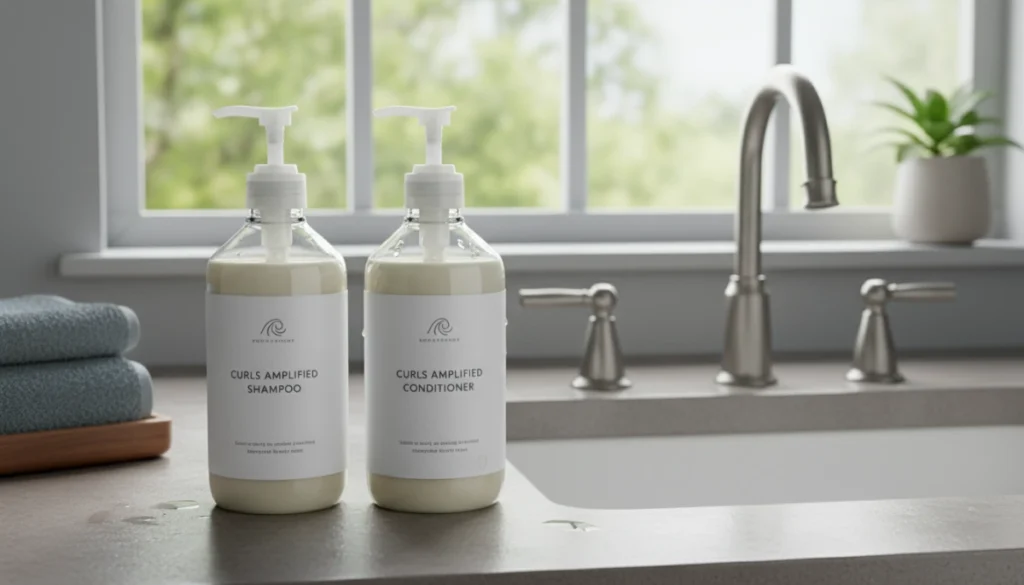
- Look for sulfate free shampoo for colored hair and pair it with a pink color mask once or twice a week
- Pick vegan pink hair dye brands and conditioners if you care about cruelty-free formulas
- Always do a quick pink hair dye patch test on your skin to rule out irritation before using any intense mask
Phase 3: Pink hair dye application step by step
Prep work before applying pink hair dye
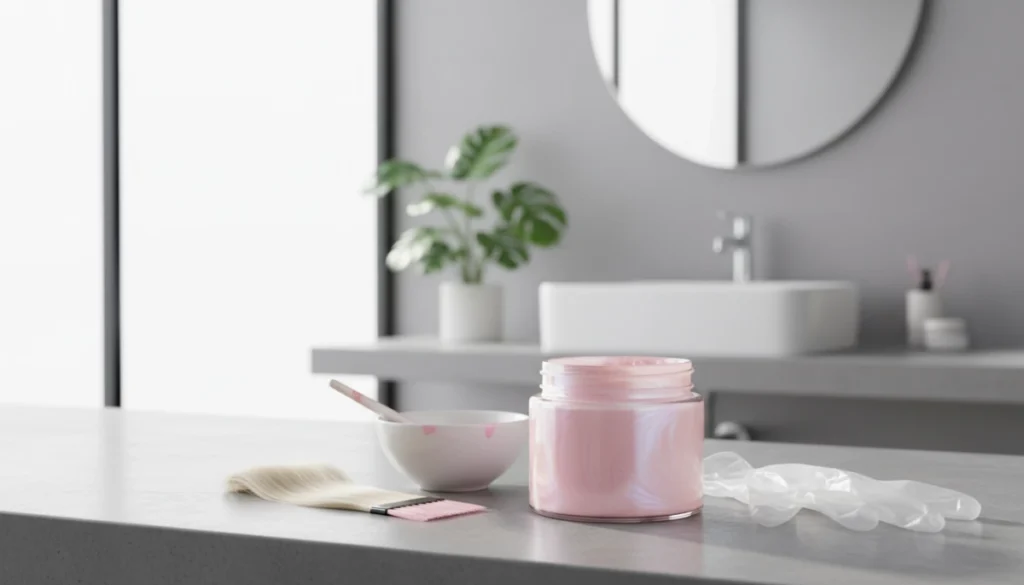
Before you open the bottle, I always treat pink hair dye like a mini salon project at home:
- Do a pink hair dye patch test 24 hours before to check for allergies.
- Wash with a clarifying or sulfate free shampoo for colored hair the day before, then skip conditioner so the color grabs better.
- Dry, detangle, and section your hair into 4–6 sections with clips. This keeps semi permanent pink hair dye from going on patchy.
- Protect your skin and bathroom:
- Apply a thin layer of petroleum jelly around your hairline, ears, and neck.
- Wear an old T-shirt and gloves.
- If your hair is very damaged or high porosity, use a light protein or bonding treatment a few days before to support pink hair cuticle health.
Mixing pink hair dye and custom pastel formulas
For soft, pastel pink hair or rose gold pink hair dye, I usually mix my own formula:
- Use semi permanent pink hair dye as your base shade.
- For pastel pink:
- Mix 1 part pink dye with 2–4 parts white, silicone-free conditioner.
- Test on a small strand first and adjust ratio until it’s your ideal pastel pink.
- For deeper tones (magenta hair dye on brown hair, bright fuchsia, etc.), use the dye straight from the tube or add just a small amount of conditioner.
- Always mix in a non-metal bowl with a tint brush so the color stays even from roots to ends.
Pink hair dye application technique to avoid patchy color
To avoid patchy pink hair dye results, I follow a strict order:
- Start on clean, dry hair unless the brand clearly says damp.
- Work in small sections:
- Apply pink hair dye to mid-lengths and ends first if they’re lighter.
- Then go back and apply to roots to avoid hot roots.
- Fully saturate the hair:
- Comb through each section with a wide-tooth comb to spread the color.
- If you see any light pieces, add more product—don’t be shy with dye.
- For pink hair dye for dark hair, focus on even coverage and slightly longer processing time (within brand directions) to get the richest tone possible.
- Wipe off any dye on the skin right away with a damp cloth so it doesn’t stain.
Processing time for semi permanent pink hair dye
Timing controls how bold your pink turns out:
- Most semi permanent pink hair dye needs 20–45 minutes. Always follow the brand’s instructions first.
- For soft pastel pink or rose gold:
- Check at 15–20 minutes. Pastels can grab fast on level 10 platinum blonde for pastel pink.
- For deeper, long-lasting color:
- Leave on closer to the max time, especially on darker or more resistant hair.
- Don’t use heat unless the brand allows it; too much heat can rough up the cuticle and affect pink hair cuticle health.
- When time’s up, rinse with cool or cold water hair wash for pink hair until the water runs almost clear, then condition. Skip shampoo on this first rinse so you don’t wash away that fresh color.
Phase 4: Pink hair dye maintenance routine
First wash after pink hair dye
Your first wash after pink hair dye makes or breaks how long the color lasts. I always recommend:
- Wait at least 48–72 hours before that first shampoo so the cuticle can close and lock in pigment.
- Use cool or cold water hair wash for pink hair to slow fading and keep the tone vibrant.
- Shampoo your scalp only and let the suds glide through the ends instead of scrubbing the mid‑lengths.
- Blot with a microfiber towel instead of rough rubbing, which can push out semi permanent pink hair dye.
Sulfate free products for pink hair dye
If you want long‑lasting pink hair dye, sulfates are the enemy. In my salons and online store, I only push:
- Sulfate free shampoo for colored hair to keep pink pigments from washing down the drain.
- Lightweight, color depositing conditioner for pink hair to top up pastel pink or rose gold pink hair dye every wash.
- Vegan pink hair dye brands and cleaners that avoid harsh salts and heavy silicones that build up and dull shine.
Heat styling and pink hair fade
Heat is the fastest way to fade pink hair dye for dark hair or blonde. To protect your shade:
- Keep hot tools under 320°F for semi permanent pink hair dye and pastel pink hair maintenance.
- Always use a heat protectant labeled safe for colored hair before blow‑dryers, curlers, or flat irons.
- Air‑dry when you can, or rough‑dry on low heat, then finish with a quick pass of your iron.
- Limit heat styling to a few times a week to keep pink hair cuticle health strong and color locked in.
Understanding the pink hair dye fade cycle
Pink has a predictable fade pattern, especially on American tap water and daily‑wash habits:
- Semi permanent pink hair dye usually looks bold for 1–2 weeks, then softens into pastel pink, then a peachy or rose gold pink hair dye phase.
- On darker bases (like magenta hair dye on brown hair), fade shows as a warmer, reddish stain rather than a true pastel.
- Frequent washing, hot water, clarifying shampoos, and heavy heat styling speed up fading pink hair safely—but also shorten your bright phase.
- To stay in your ideal shade longer, schedule regular color‑depositing conditioner touch‑ups at home and keep your wash days down to 2–3 per week.
Pink hair dye troubleshooting and fixes
Fixing hot roots and dull ends with pink hair dye
When pink hair dye turns into hot roots and dull ends, I fix it in targeted steps instead of redoing my whole head.
For hot roots (too bright/warm at the scalp):
- Apply a slightly deeper or cooler pink (like magenta or rose gold pink hair dye) just on the root area.
- Use a color depositing conditioner for pink hair only at the roots for 5–10 minutes, then comb down halfway so it blends.
- Rinse with cold water hair wash for pink hair to keep the cuticle closed and reduce fade at the ends.
For dull, faded ends:
- Do a quick hair porosity test for hair dye (spray with water; if it absorbs fast, your hair is porous and needs extra moisture).
- Refresh ends with a diluted semi permanent pink hair dye mixed with conditioner for a soft pastel pink hair maintenance boost.
- Focus on pink hair cuticle health: weekly masks, no harsh brushing on wet hair, and always use a heat protectant.
Correcting orange or salmon pink hair dye results
If pink hair dye turns orange or salmon, it’s usually a leftover warm base showing through.
On light hair:
- Use a pink with a cooler, blue or violet undertone to cancel the peachy tone.
- A light magenta hair dye on brown hair that’s been softly lifted can correct warmth without over-bleaching.
On darker or uneven hair:
- Try a bleach bath for pink hair only if the hair is healthy enough and you’ve already done a strand test.
- For at-home, I prefer a vegan pink hair dye with a cooler tone to neutralize, instead of pushing the bleach again.
Safe pink hair dye removal and color reset
When I need to remove pink hair safely or reset to a new shade, I follow a low-damage plan that fits how most of us in the U.S. actually care for our hair at home.
Start with the least aggressive option:
- Use a sulfate free shampoo for colored hair and wash with slightly warmer (not hot) water to encourage soft fading.
- Add an occasional clarifying wash if the hair is healthy, then go back to moisture-heavy masks.
For stubborn stains:
- Try a gentle, direct-dye remover before any bleach; avoid box “color removers” that dry the hair out.
- Only consider lightening again if the hair feels strong, passes a stretch test, and you’re aiming for high-lift looks like level 10 platinum blonde for pastel pink.
For a full color reset:
- Let the pink fade as much as possible first; then tone or recolor with a shade that works over a pink base (like deeper rose gold or magenta).
- Always patch test any new semi permanent pink hair dye on skin and on a small hair section to avoid surprise results.