If your skin still feels tight and dull no matter how much lotion you slather on, you’re not imagining it.
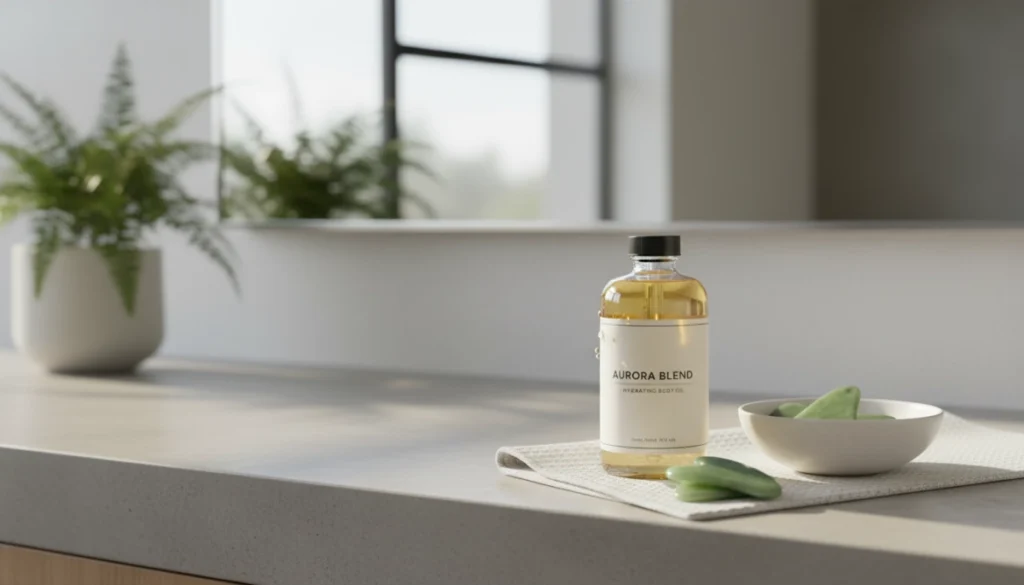
The truth is, your skin might be craving something richer: body oil. Not the heavy, greasy kind you’re afraid of—but targeted, lipid-rich oils that repair your skin barrier, lock in moisture, and leave a soft, luminous glow instead of a sticky film.
In this guide, you’ll learn what really sets body oil apart from lotion, which botanical oils work best for your skin type, and how to turn a simple post-shower step into a grounding self-care ritual you’ll actually look forward to.
Why Your Skin Needs Body Oil (Not Just Lotion)
If your body lotion works for 10 minutes and then your skin looks dull, ashy, or flaky again, you’re not imagining it. For a lot of us in the US, with indoor heating, AC, and hot showers, lotion alone just isn’t enough.
Real Dry Skin Problems
You might notice:
- Rough, flaky patches on shins, arms, or elbows
- Skin that looks gray or ashy even after moisturizing
- Itchiness, tightness, or tiny cracks when the weather turns cold
- Lotion that soaks in fast but doesn’t actually fix dryness
This is usually a skin barrier issue. Your skin is losing water too quickly, and a basic lotion can’t fully lock it in.
Oil vs Lotion For Body
Most body lotions are:
- Water-based, so they feel light but evaporate quickly
- Great for a quick drink of moisture, but not for keeping it in
- Often not enough for dry, ashy, or mature skin on their own
A good oil body oil works differently:
- It creates a light, breathable seal on your skin
- It helps lock in moisture with oil instead of just adding more water
- It boosts glow and softness, especially right after a shower
Is Body Oil Greasy Or Messy?
The biggest fears about body oil are real: nobody wants to feel sticky, shiny, or ruin their clothes. The truth is, the right formula and the right amount make all the difference.
A well-formulated body oil for dry skin should:
- Feel lightweight and fast-absorbing, not heavy
- Sink in within a few minutes on damp skin
- Leave a soft sheen, not a slick, oily layer
If your body oil feels like cooking oil, it’s the wrong texture for you.
When To Use Body Oil (Or Layer With Lotion)
Body oil makes the most sense when:
- Your lotion “disappears” in an hour
- Your legs and arms still look dull or scaly
- You shower daily and use hot water or strong body washes
You can:
- Switch to oil only on very dry areas like legs, elbows, and feet
- Layer lotion and oil on top for extreme dryness:
- Lotion first (water and humectants)
- Body oil second (occlusive moisturizer for body that seals it in)
This combo is powerful for winter, desert climates, or chronically dry skin.
A Simple, Realistic Body Oil Ritual
You don’t need a spa day to use body oil. Think of it as a 1–2 minute upgrade to what you already do.
Right after your shower:
- Lightly towel off, but keep skin damp, not dripping
- Warm a small amount of oil body oil in your hands
- Press or smooth it over your arms, legs, and any dry spots
This quick post-shower body oil routine:
- Helps repair your skin barrier over time
- Keeps your skin comfortable longer than lotion alone
- Turns basic body care into a calm, daily self-care body oil ritual without extra steps or fuss
What Is Body Oil, Really?
Oil body oil vs lotion and cream
Body oil is a blend of oils (plant, nut, seed, or esters) that sink into your skin’s top layers and help lock in moisture. Lotion and cream are mostly water plus a bit of oil and wax.
Here’s how they feel different on real skin:
- Body lotion: Feels light and cool, soaks in fast, but the hydration fades quickly, especially in dry U.S. climates or heated/AC homes.
- Body cream: Thicker than lotion, better for very dry patches, but can feel heavy or sticky.
- Oil body oil: Works like a moisture seal. It doesn’t add “water” to your skin; it keeps the water from your shower from evaporating so fast.
When you put body oil on damp skin, you lock in moisture in a way lotion alone usually can’t.
Oils, lipids, and skin barrier in plain language
Your skin barrier is like a brick wall:
- The “bricks” are your skin cells.
- The “mortar” is made of lipids (your natural oils).
When that “mortar” is damaged from hot showers, harsh soaps, or cold wind, you get:
- Dry, tight, ashy skin
- Flaky patches and rough texture
A good body oil for dry skin helps refill that missing “mortar” with skin-friendly oils like jojoba, sunflower, or squalane. This supports skin barrier repair body care from the outside in.
What your skin actually feels: oil vs water-based lotion
On your body, the difference is clear:
- Water-based body lotion: Quick comfort, but if your barrier is weak, your skin can feel dry again within an hour or two.
- Oil body oil: More slip at first, then a softer, smoother feel as it sinks in. With the right formula, you get glowing skin with body oil instead of a greasy film.
I build our formulas to feel:
- Lightweight and fast-absorbing on normal to combo skin
- Silky and cushioning for very dry, ashy, or mature skin
Dry oil vs heavier body oil
You’ll see “dry body oil” on a lot of American beauty shelves. Here’s what that usually means:
Dry body oil
- Uses lighter, fast-absorbing oils and esters
- Great for hot, humid U.S. summers, Southern states, and daytime use
- Ideal if you hate feeling slick or live in a warm climate
Heavier body oil
- Uses richer oils like avocado, olive, or shea nut oil
- Better for winter body oil routines, cold, windy states, or very dry indoor heat
- Perfect for night routines and overnight treatments with soft cotton clothes
I design both textures so you can rotate with the seasons and your climate.
Non-comedogenic body oil vs pore-clogging oils
Not all oils are skin-safe everywhere. A non-comedogenic body oil is made with ingredients that are less likely to clog pores, especially on your chest, back, or shoulders.
Look for:
- Grapeseed oil – great for acne-prone body skin
- Squalane body oil – super light, skin-identical, sinks in fast
- Jojoba oil for body – closest to your skin’s natural sebum
If you’re prone to body breakouts:
- Choose “non-comedogenic” or “acne-safe” on the label
- Avoid heavy, waxy, or mystery “fragrance oils” in high amounts
- Start with a patch test and see how your skin responds over a week
The goal is simple: a natural body care oil that supports your barrier, gives you a healthy glow, and doesn’t clog your pores or feel sticky in real life.
Key Benefits Of Using Oil Body Oil Daily
Deep hydration and moisture lock-in
When I use body oil for dry skin right after a shower, it locks in moisture way better than lotion alone. Water is still on the skin, and the oil seals it in.
- Apply on damp skin to lock in moisture with oil
- Great after hot showers that usually leave skin tight
- Ideal for dry areas: shins, elbows, hands, feet
| Routine Time | Benefit |
|---|---|
| Right after shower | Deep hydration, softer feel |
| Before bed | Overnight repair and moisture lock |
Skin barrier repair and protection
A good oil body oil works like an occlusive moisturizer for body, helping the skin barrier bounce back from over-cleansing, cold air, and indoor heating.
- Helps reduce flakiness and rough patches
- Supports skin barrier repair body care over time
- Protects from wind, AC, and long hot showers
Instant glow without greasiness
I use lightweight, fast-absorbing oils when I want glowing skin with body oil without feeling sticky.
- Dry body oil textures sink in fast
- Gives a healthy, even-looking sheen on arms and legs
- Perfect for a quick summer body glow oil look
Aromatherapy and mood benefits
Scented body oils can double as a low-key mood booster in a daily self-care body oil ritual.
- Calming scents for night (lavender, vanilla blends)
- Brighter, fresh scents for morning routines
- Easy way to make basic body care feel more “luxury body oil experience”
Long-term skin perks
With daily use, I notice body oil for dry skin pays off in how my skin looks and feels.
- Smoother texture and less ashiness
- Better bounce and appearance of elasticity
- More even-looking tone on legs, arms, and chest
When you’ll see visible results
For most people in the U.S. climate (heat, AC, cold winters), consistent use makes a real difference.
- First use: instant glow and softness
- 1 week: less dryness and tightness after shower
- 3–4 weeks: smoother, more even, “healthy” looking skin overall
Use oil body oil daily right after your shower, and keep it simple: damp skin, small amount, consistent routine. That’s where the real benefits show up.
Best Oil Body Oil Ingredients For Different Skin Types
How To Read A Body Oil Label Fast
When I scan a body oil for dry skin, I look at:
- First 3–5 ingredients: these are the main oils (not the fancy ones listed at the end).
- Words like “cold-pressed” or “unrefined”: usually richer in nutrients.
- “Non-comedogenic” or “won’t clog pores”: key if you’re acne-prone on chest, back, or shoulders.
- Fragrance listing: “fragrance/parfum” = synthetic blend, “essential oil” or plant name = natural source.
Quick cheat sheet:
| Label Term | What It Tells You |
|---|---|
| avocado oil / persea gratissima | Deep, rich moisture for very dry skin |
| jojoba oil / simmondsia chinensis | Balances, great for sensitive skin |
| caprylic/capric triglyceride | Lightweight, fast-absorbing base |
| squalane | Non-greasy, great for acne-prone skin |
| fragrance / parfum | Synthetic scent blend |
Body Oil For Very Dry Or Ashy Skin
For very dry, ashy, or winter skin, I lean on heavier, occlusive body oil formulas that lock in moisture with oil:
- Avocado oil: creamy, rich, great on legs, elbows, and feet.
- Olive oil: classic, very nourishing, best at night or in cold climates.
- Shea nut oil: similar to shea butter but more spreadable, ideal for all-over body.
Best spots to use these:
- After a warm shower on damp skin.
- On visibly ashy areas (ankles, knees, hands).
- At night as a “winter body oil routine” treatment.
Gentle Body Oil For Sensitive Skin
For sensitive or reactive skin, I keep it simple and avoid heavy fragrance:
- Jojoba oil for body: closest to skin’s natural oils, helps balance without feeling greasy.
- Sunflower seed oil: lightweight, soothing, great for kids and adults with easily irritated skin.
Look for:
- Short, simple ingredient list.
- “Sensitive skin safe body oils” or “dermatologist tested.”
- Unscented or very lightly scented options.
Anti-Aging Body Oil Picks (Firmness & Bounce)
If you want smoother, bouncier skin and better elasticity, these oil body oil ingredients work well over time:
- Rosehip body oil: known for tone and texture, nice for sun-exposed areas.
- Argan oil for body: softens and helps with crepey-looking skin.
- Vitamin E–rich oils (tocopherol, wheat germ, sunflower): support skin barrier repair body care.
Where I use these most:
- Arms, chest, and neck.
- Hands and shoulders after sun exposure (not as SPF, but aftercare).
Non-Comedogenic Body Oil For Acne-Prone Skin
If you get breakouts on your chest, back, or shoulders, choose lightweight, fast-absorbing oils:
- Grapeseed oil: classic for acne-prone body skin, light and non-greasy.
- Squalane body oil: super light, non-comedogenic, great for humid weather.
- Lighter esters (like C12-15 alkyl benzoate, isoamyl laurate): give that dry body oil, non-sticky feel.
Good signs on the label:
- “Non-comedogenic body oil”
- “Dry oil” or “fast-absorbing”
- “For acne-prone or oily skin”
Natural vs Synthetic Fragrance In Body Oils
Fragrance is where a lot of irritation starts, especially in the U.S. where we use scented products all day.
Natural fragrance: essential oils, botanical extracts
- Upside: more “clean beauty” appeal, real plant scent.
- Downside: can still irritate if you’re sensitive (citrus, mint, strong florals).
Synthetic fragrance: listed as “fragrance” or “parfum”
- Upside: very consistent scent, more control over strength.
- Downside: can trigger irritation or headaches in sensitive users.
My rule:
- If your skin reacts easily, go unscented for daily use and keep scented vs unscented body oils separate.
- If you’re fine with fragrance, choose scented body oils and apply mostly to legs and arms, not irritated areas.
A solid oil body oil formula should match your skin type, your climate, and your scent tolerance. When those three line up, you get glowing skin with body oil without the grease, itch, or breakouts.
How To Choose The Right Oil Body Oil For You
Match Texture To Skin Type And Climate
I always start with texture. The right oil body oil should match how your skin behaves and where you live.
- Very dry / ashy skin, cold states (Midwest, Northeast): richer, slower-absorbing oils (avocado, shea, olive blends)
- Normal skin, mixed seasons: medium-weight, lightweight fast-absorbing oils (jojoba, sunflower, argan)
- Oily or acne-prone body skin, hot climates (South, coastal states): non-comedogenic body oil with grapeseed, squalane, or dry esters
- Office AC or winter heating: look for “occlusive” on the label to help lock in moisture with oil
Quick rule:
- If your skin feels tight within an hour → go richer.
- If you feel slick after 20 minutes → go lighter.
Scented vs Unscented Body Oil
For U.S. routines, fragrance really decides how often you’ll use it.
Choose unscented if:
- You have sensitive skin or eczema
- You already wear perfume and don’t want scent clash
- You want safer options for daily, full-body use
Choose scented if:
- You want a luxury body oil experience
- You like using it as your “everyday fragrance”
- You’re building a daily self-care body oil ritual
On the label:
- Look for “fragrance-free” (no fragrance added) vs “unscented” (may still have masking fragrance).
- If you’re reactive, skip “parfum” and go for light botanical body oil ingredients or essential oils in low amounts.
Patch Test A New Body Oil
I treat every new body oil for dry skin like skin care: test first.
Simple patch test:
- Apply a dime-size amount to:
- Inner forearm or
- Side of your neck or
- Back of one shoulder
- Use once a day for 3 days
- Watch for:
- Redness
- Itching
- Tiny bumps or clogged pores
If it stays calm, you’re good to roll it into your post-shower body oil routine.
Price vs Quality: What Actually Matters
Higher price doesn’t always mean better oil body oil. I focus on the label, not the hype.
What matters:
| Worth Paying For | You Can Skip / Question |
|---|---|
| Cold-pressed or expeller-pressed oils | Overly fancy marketing buzzwords |
| Clear list of plant oils up top | Long list of fillers before oils |
| Non-comedogenic note for body acne | “Miracle” claims with no details |
| Simple formulas for sensitive skin | Strong fragrance as the main sell |
Two good signs:
- Oils you recognize in the first 3–5 ingredients
- Shorter ingredient list for sensitive or reactive skin
Signs A Body Oil Isn’t Right For You
If a formula doesn’t work, I don’t force it—your skin is giving feedback.
Stop or switch if you notice:
- Greasy film that never sinks in (even after 30–40 minutes)
- New breakouts on chest, back, or shoulders (time for a lighter, non-comedogenic body oil)
- Burning, stinging, or itching after applying
- Flaky patches getting worse, not better
- Strong scent headaches or irritation around the neck
When that happens, I adjust:
- Move to a dry body oil or lighter texture
- Try sensitive skin safe body oils (jojoba, squalane, sunflower)
- Switch from scented to unscented body oils and rebuild from there
How To Apply Oil Body Oil The Right Way
Timing: Post-Shower Body Oil On Damp Skin
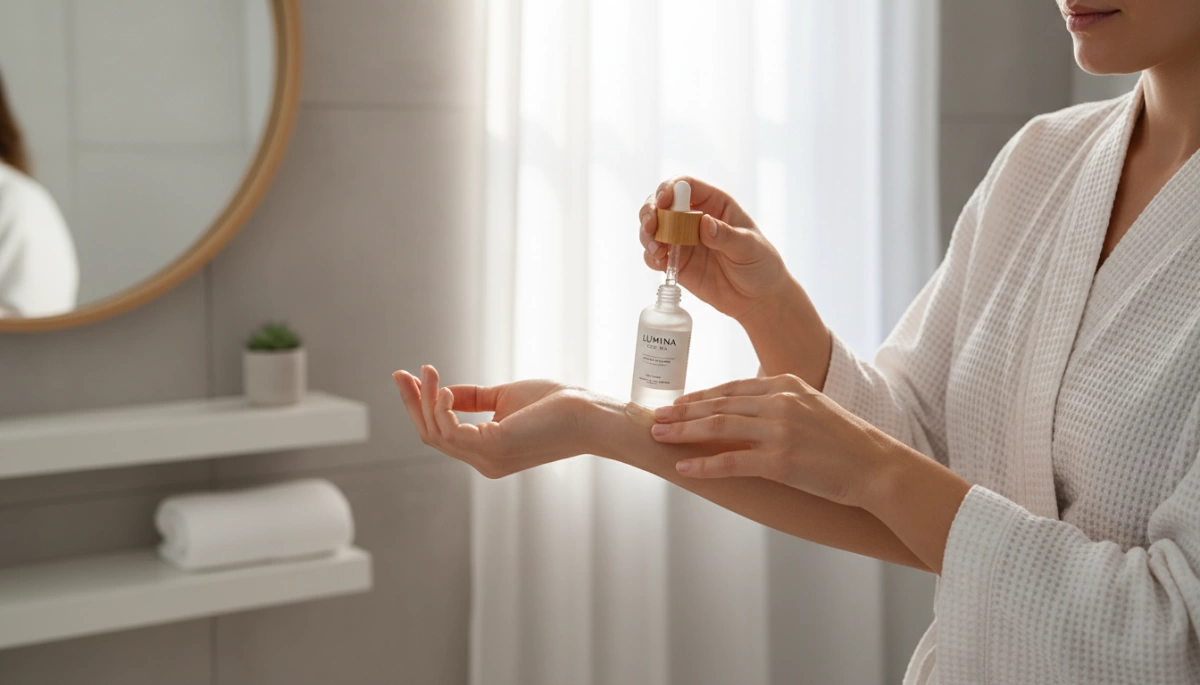
I always tell customers: the product isn’t the problem, the timing is. To really lock in moisture with oil, you want:
- Shower in warm (not hot) water to avoid stripping your skin
- Lightly pat dry so your skin is still damp, not dripping
- Apply your oil body oil within 2–3 minutes while water is still on the skin
That leftover water + body oil creates a seal, so your skin stays soft for hours instead of drying out 20 minutes later.
Step-By-Step Post-Shower Body Oil Routine
Here’s a simple post-shower body oil routine most people in the U.S. can stick to daily:
- Turn off the shower and pat your body dry with a towel (leave a bit of moisture).
- Pump a small amount of body oil for dry skin into your palms and rub hands together to warm it.
- Start with larger areas (legs, arms, torso), then finish with drier spots (elbows, knees, ankles).
- Massage the oil in until your skin looks glowy, not wet or streaky.
- Wait 2–5 minutes before getting dressed so the oil sets and doesn’t transfer much to clothes.
Use this after every shower, especially in winter when central heating is pulling moisture from your skin.
How Much Body Oil To Use (Without Feeling Slick)
You don’t need to be greasy to be hydrated. A good rule for a lightweight, fast-absorbing oil:
- Legs: 3–4 pumps total (both legs)
- Arms: 2–3 pumps total (both arms)
- Torso/back: 3–4 pumps
- Hands/feet: 1 small pump each
If your skin feels slippery on furniture or your clothes stick, you used too much. Next time:
- Start with half the amount
- Focus on the driest areas first (shins, elbows, shoulders)
- Add one more pump only where you still feel tight
Layering Lotion And Oil For Extreme Dryness
For very dry, ashy, or winter skin, I like the lotion + oil layering method:
- Step 1: Apply a fragrance-free lotion or cream on damp skin as your water-based hydration
- Step 2: Follow with a thin layer of occlusive body oil (like jojoba oil for body, argan oil for body, or squalane body oil) to seal it in
General rule: lotion first, oil second. The lotion brings water into the skin, and the oil holds it there. This is a game changer for:
- People in cold, dry U.S. climates
- Anyone with chronic ashiness on legs and arms
- Those who shower more than once a day
Simple Massage Techniques For Better Absorption
You don’t need a spa routine, just a few simple moves:
- Work toward the heart:
- Ankles → up the legs
- Wrists → up the arms
- Lower abdomen → upward and inward
- Use long, steady strokes on arms and legs
- Use small circles over joints (knees, elbows, shoulders)
- Apply light pressure—just enough to warm the skin and boost circulation
This helps the non-comedogenic body oil absorb better and supports healthy blood flow, especially if you sit a lot during the day.
Quick Morning vs. Slow Night Body Oil Ritual
You can use the same oil body oil, just adjust the routine to your schedule.
Quick Morning Routine (5 minutes or less):
- Use a dry body oil or lightweight fast-absorbing oil
- Focus on:
- Legs (for a subtle summer body glow oil effect)
- Arms and visible areas (no greasy feel under clothes)
- Keep amounts small so you can get dressed fast with minimal transfer
Slower Night Routine (More Self-Care Focused):
- Use a slightly richer oil at night (think cold-pressed body oils with jojoba, rosehip, or argan)
- Take time to:
- Massage tight areas (neck, shoulders, calves)
- Layer lotion + oil if your skin is extra dry
- Put on soft cotton pajamas to help everything soak in overnight
Morning is about function and speed. Night is where you can turn your daily self-care body oil ritual into a quiet reset, especially after long workdays or workouts.
Building A Daily Oil Body Oil Routine
Fast Weekday Body Oil Routine
When I’m rushing in the morning, my body oil for dry skin routine is simple:
- Hop out of a warm shower, lightly towel off so skin is still damp.
- Apply a lightweight, fast-absorbing dry body oil (think jojoba oil for body or squalane body oil) from neck down.
- Focus on “ashy zones”: shins, knees, elbows, hands.
- Wait 1–2 minutes, then get dressed; choose non-comedogenic body oil if you’re acne-prone.
This locks in moisture with oil fast, gives a subtle glow, and doesn’t feel sticky under clothes.
Slow Night Self-Care With Oil Body Oil
At night, I treat oil body oil like a mini spa ritual:
- Take a warm shower, cleanse gently, then pat skin dry (leave it slightly damp).
- Use a richer occlusive moisturizer for body (argan oil for body, rosehip body oil, or a blend with vitamin E).
- Massage slowly toward the heart for a few minutes per area to boost circulation and help skin barrier repair.
- If you like scent, choose scented body oils with calming notes (lavender, vanilla, sandalwood); if you’re sensitive, stick to unscented body oils.
This is where I lean into a more “luxury body oil experience” and use it as a daily self-care body oil ritual.
How Often To Exfoliate Before Body Oil
For most of us in the U.S., with heating, AC, and hard water:
- Normal/dry skin: exfoliate body 1–2 times a week.
- Very dry/ashy skin: 2–3 times a week with a gentle scrub or chemical exfoliating wash.
- Sensitive skin: 1 time a week max, with very mild exfoliation.
Exfoliation before body oil removes dead skin so your body oil actually sinks in instead of sitting on top.
Bath And Body Oil Ritual
If you’re a bath person, body oil fits in easily:
- Add a small amount of cold-pressed body oils (like sunflower or grapeseed) into warm bath water.
- After the bath, apply a thin layer of dry body oil on damp skin to lock everything in.
- Use caution: bathtub can get slippery, so keep amounts low.
This is an easy way to get glowing skin with body oil without adding extra steps.
Pairing Body Oil With Products You Already Own
You don’t have to redo your whole routine; just layer smart:
- For extreme dryness: apply lotion first, then seal with a thin layer of body oil (classic oil layering with lotion).
- For acne-prone areas (back, chest): use a lightweight non-comedogenic body oil like grapeseed oil for acne-prone skin on top of a simple, fragrance-free moisturizer.
- For fragrance lovers: use unscented lotion, then a lightly scented body oil so the scent isn’t overpowering.
- For sensitive skin: pair sensitive skin safe body oils with your current gentle, fragrance-free body wash.
The goal is simple: use body oil to upgrade what you’re already doing, not make your routine more complicated.
Seasonal Oil Body Oil Tips For Summer And Winter
Dry body oil for hot, humid summer
In U.S. summers, I reach for a lightweight, dry body oil that sinks in fast and doesn’t feel greasy in the heat. Look for:
- Labels to scan: “dry body oil,” “lightweight,” “fast-absorbing,” “non-comedogenic body oil”
- Best lightweight oils: squalane body oil, grapeseed, sunflower, fractionated coconut, light esters (like C13-15 alkane)
- How I use it: 1–2 pumps on damp skin after a cool shower, especially arms, legs, and shoulders to lock in moisture with oil without feeling sticky
This kind of body oil for dry skin works well in hot, humid states because it keeps skin soft but doesn’t sit on top like a heavy balm.
Non-sticky summer body glow
If you want a summer body glow oil look on legs, shoulders, and collarbones without staining clothes:
- Use a dry body oil and let it absorb for 5–10 minutes before getting dressed
- Focus on high points: shins, tops of shoulders, collarbones, and a light swipe down the arms
- Blot any extra with a soft towel to keep that glowing skin with body oil effect, not a slick layer
I keep the glow more subtle in the daytime and build it up at night if I’m going out.
Winter body oil routine with heavier oils
In U.S. winters with central heating and cold air, I switch to a richer, more occlusive moisturizer for body:
- Look for heavier oils: avocado, olive, shea nut, argan oil for body, or blends with ceramides
- Apply on warm, damp skin right after a shower to lock in moisture with oil
- Layer lotion first, oil second on very dry or ashy areas like shins, knees, and elbows
This winter body oil routine helps with skin barrier repair body care when the air is dry and harsh.
Overnight body oil treatments
For deep repair, I treat body oil like an overnight mask:
- Use a generous layer of a richer body oil on extra-dry zones (legs, feet, arms)
- Slip into soft cotton clothing or socks so the oil can absorb and not transfer everywhere
- Keep it simple: no heavy fragrance, especially if you have sensitive skin
By morning, skin usually feels smoother and less tight, especially in colder states or during winter storms.
Adjusting oil body oil with the weather
I always tweak my oil body oil routine as the seasons shift:
- Hot, humid weather: lighter, non-comedogenic body oil, smaller amounts, focus on fast absorption
- Cold, dry weather: thicker textures, more product, plus layering with lotion for extra protection
- If your skin feels sticky or greasy, use less or switch to a lighter formula
- If it still feels tight and flaky, go richer and apply on damp skin, not bone-dry skin
Matching your body oil texture and amount to your local climate keeps the routine comfortable and actually wearable day to day in real U.S. weather.
Fixing Common Oil Body Oil Problems
When Body Oil Just Sits On Top Of Your Skin
If your oil body oil just sits there and stays shiny and tacky, it’s usually a routine issue, not a bad product. I fix it by focusing on three things:
Apply on damp skin only:
- Use body oil right after a warm shower, on towel‑dried but still slightly damp skin.
- Water on the skin helps the oil spread and lock in moisture instead of just sitting on top.
Use less than you think:
- Start with 3–5 drops per limb, then add more only if you still feel dry.
- If you can see an obvious “film,” you used too much. Blot lightly with a towel and reduce next time.
Match texture to your skin type:
- For normal to oily body skin, use lightweight, fast-absorbing oils or a dry body oil spray.
- For very dry or ashy skin, a richer, more occlusive body oil works better but still shouldn’t feel sticky if you use a small amount.
Why Exfoliation Changes How Body Oil Absorbs
If your skin feels rough and dull, oil can’t sink in well because it just clings to dead skin cells. In the U.S., most of us over-wash but under-exfoliate, especially in winter. I keep it simple:
Exfoliate 1–2 times a week:
- Use a gentle body scrub, soft washcloth, or mild AHA body wash in the shower.
- Avoid harsh loofahs if you have sensitive or reactive skin.
Right order for better absorption:
- Exfoliate → rinse well → pat dry → apply body oil on damp skin.
- This helps your oil body oil actually sink in, leaving glowing skin instead of a greasy layer.
How To Avoid Body Oil Staining Clothes And Sheets
Staining usually comes from too much product and not giving it time to absorb. To protect your clothes and bedding while still enjoying a luxury body oil experience:
Give it a few minutes:
- After your post-shower body oil routine, wait 5–10 minutes before getting dressed.
- For night routines, do your body oil first, then move to skincare or brushing teeth while it absorbs.
Target where you apply:
- Apply less on areas that touch clothes tightly (back, butt, sides) and more on exposed areas (arms, legs, chest).
- For bed, go lighter on your back and shoulders to protect your sheets.
Choose the right formula:
- Look for lightweight, fast-absorbing body oils or dry body oils if you wear fitted clothes during the day.
- Avoid super-heavy, waxy formulas if you hate stains or live in hot, humid states where you sweat more.
If You Break Out On Chest, Back, Or Shoulders
Body acne on the chest, back, or shoulders is common in the U.S., especially if you work out, live in a hot climate, or wear synthetic fabrics. If you’re breaking out after using body oil:
Stop using it on breakout areas for a bit:
- Let skin calm down first. Switch to a light, non-comedogenic body moisturizer there.
Check the rest of your routine:
- Make sure you shower after sweating.
- Wash hair products out fully so they’re not sitting on your back.
- Don’t layer thick lotion + heavy oil on acne-prone zones.
Add light exfoliation:
- Use a gentle salicylic acid (BHA) body wash 2–3 times a week on chest/back to keep pores clear.
Switching To Non-Comedogenic Body Oil When Skin Reacts
If your skin feels clogged, bumpy, or irritated, it’s time to switch to non-comedogenic body oil options and keep things simple. I always recommend moving to lighter, cleaner formulas:
Look for these lighter oils:
- Grapeseed oil for acne-prone skin
- Squalane body oil
- Fractionated coconut oil (lighter than regular coconut)
- Jojoba oil for body (very close to skin’s natural oils)
Skip heavy, pore-clogging blends on acne areas:
- Avoid thick butters and heavy waxes on chest and back if you break out easily.
- Keep richer oils on legs, arms, and hands instead.
Watch fragrance and extras:
- If you react easily, try unscented or low-fragrance sensitive skin safe body oils.
- Look for short ingredient lists and avoid strong synthetic fragrance on breakout-prone areas.
Dialing in your oil body oil routine is mostly about texture, amount, and timing. Once you adjust those, you’ll lock in moisture with oil, keep your skin barrier happy, avoid stains, and stay clear of unnecessary breakouts.
Making Oil Body Oil Part Of Your Self-Care Ritual
Turn body oil into a grounding daily habit
I use oil body oil as a reset button, not just “another product.” The key is keeping it simple and repeatable:
- Keep your body oil for dry skin right next to the shower or sink so you actually reach for it.
- Take 2–3 minutes, not 20. Focus on arms, legs, chest, and any dry spots.
- Breathe in the scent if you’re using a scented body oil, and let your shoulders drop while you apply.
Use body oil to reconnect with your body
Instead of rushing through, I treat my post-shower body oil routine like a quick check-in:
- Notice where your skin feels tight, rough, or sensitive.
- Use slow, firm strokes with your non-comedogenic body oil, moving toward the heart.
- Let this be the moment you step out of “go mode” and back into your body.
Simple “note to self” moments
I like pairing my oil vs lotion for body routine with tiny mental reminders:
- In the morning: “I’m allowed to take up space today.”
- At night: “Today is done, I did enough.”
- On rough days: “My body deserves care even when I’m tired.”
You’re already applying product—layer in one short thought while you glide that dry body oil over your skin.
Track your skin and mood over a few weeks
To see real value from a daily self-care body oil ritual, I track the basics:
- Week 1: Pay attention to ashiness, tightness after showering, and any irritation.
- Week 2–3: Look for smoother texture, more glow, and better skin barrier repair on dry areas like shins and elbows.
- Mood check: Notice if those 2–3 minutes with body oil make you feel calmer, more grounded, or just a bit more like yourself.
When you treat oil body oil as a small, non-negotiable ritual instead of a “nice extra,” you get both: glowing skin with body oil and a daily moment that’s actually yours.