
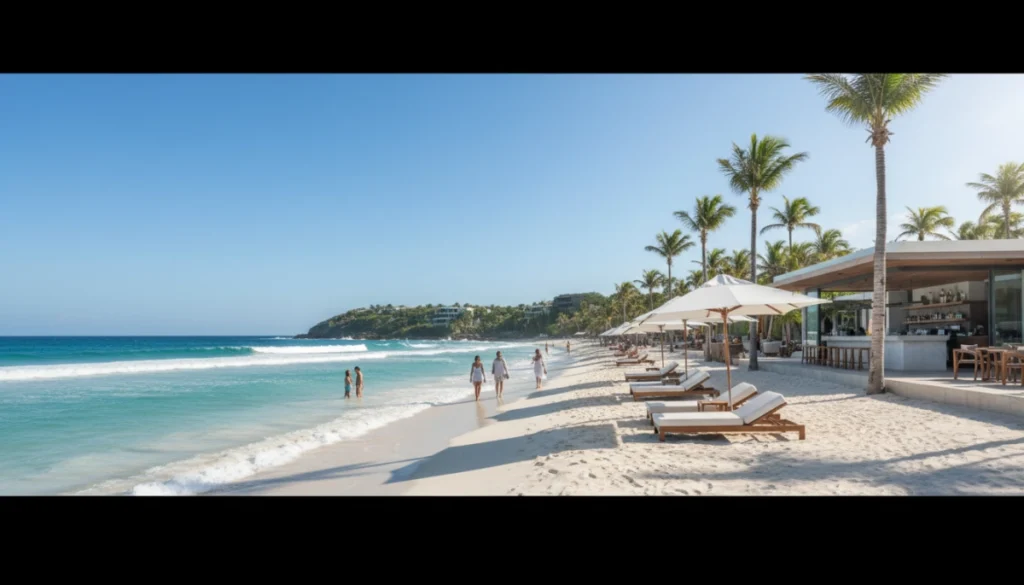
Mexico Beaches Overview
Planning a trip and torn between Mexico beaches, prices, seaweed, and safety? You’re not alone. Most travelers I work with want three things: swimmable water, clean sand, and a place that actually matches their vibe—not just a pretty Instagram photo.
Here’s the truth: Mexico beaches are on so many bucket lists because they deliver variety in a way few countries can match. In one country, you can go from Caribbean turquoise in the Riviera Maya to wild Pacific surf in Puerto Escondido or dramatic desert-meets-sea landscapes in Baja California Sur—all with good food, solid infrastructure, and plenty of flight options from the US.
Why Mexico Beaches Are So Popular
Mexico beaches keep showing up on bucket lists for a few simple reasons:
- Easy access from the US: Tons of direct flights to Cancun, Los Cabos, and Puerto Vallarta.
- Different vibes for different travelers:
- Party-heavy Cancun and Cabo
- Eco-chic Tulum
- Bohemian Sayulita
- Sleepy Zihuatanejo bay
- Good value for money: From luxury all-inclusive Mexico resorts to budget hostels, you can build almost any type of trip.
- Year-round appeal: You can usually swap regions to dodge hurricanes, sargassum seaweed, or heavy surf.
If “turquoise water and white sand,” “authentic small towns,” or “serious surfing” are on your radar, there’s a Mexico beach for that.
Caribbean vs Pacific Coast at a Glance
When people ask me “Caribbean vs Pacific?” for Mexico beaches, this is how I break it down:
| Coast | Look & Feel | Best For |
|---|---|---|
| Caribbean (Riviera Maya, Costa Maya) | Turquoise, clear water, white sand, calm seas | Snorkeling, cenotes, first-timers, families |
| Pacific (Baja, Puerto Vallarta, Oaxaca) | Deeper blue water, stronger waves, epic sunsets | Surfing, dramatic scenery, whale watching |
Quick cheat sheet:
Choose Caribbean Mexico beaches if you want:
- Riviera Maya vacation spots like Cancun, Tulum, Playa del Carmen
- Calm water for kids, snorkeling in Cozumel, cenotes near Playa del Carmen
- A classic “postcard” tropical look
Choose Pacific Mexico beaches if you want:
- Puerto Escondido surfing, Sayulita bohemian vibe, Baja California Sur road trip
- Golden-hour sunsets, cliffs, desert landscapes
- Better odds of avoiding heavy sargassum seaweed
How to Use This Guide to Find Your Perfect Mexico Beach Match
My goal is simple: help you match your travel style to the right Mexico beach, not just the most famous one.
As you read, keep these in mind:
- Who are you traveling with?
- Kids → look for family-friendly Mexico resorts and swimmable bays
- Couples → focus on quiet coves, boutique hotels, and sunset views
- Friends/groups → prioritize nightlife, walkability, and budget flexibility
- What do you care about most?
- Clear, calm water vs powerful waves
- Nightlife vs nature
- Surfing vs snorkeling vs whale watching
- Your deal-breakers:
- Strong currents? Skip certain Pacific beaches.
- Seaweed? Watch the sargassum seaweed forecast and favor Pacific if needed.
- Crowds? Consider smaller Pueblos Mágicos and hidden-gem coastal towns.
Read with your non-negotiables in mind, and you’ll quickly see which Mexico beaches actually fit you—and which ones you can cross off your list.
Mexico Beaches By Coast
Key differences: Caribbean vs Pacific Mexico beaches
Mexico beaches feel totally different coast to coast:
Caribbean Mexico beaches (Riviera Maya, Cancun, Tulum)
- Water: Calm, clear, turquoise, great for swimming and snorkeling
- Sand: Soft, white powder that feels like flour under your feet
- Vibe: Resort-heavy, easy for first-timers, strong Riviera Maya vacation spots focus
- Downsides: Sargassum seaweed can hit parts of the year, more built-up and busy
Pacific Mexico beaches (Los Cabos, Puerto Vallarta, Oaxaca)
- Water: Deeper blue, stronger waves, better for surfing than floating
- Sand: More golden or darker, often a bit coarser
- Vibe: Mix of resort zones, surf towns, and Pueblos Mágicos with more “local” feel
- Downsides: Some beaches are not swimmable (especially in Cabo), stronger currents
Who each Mexico coast is best for
Caribbean coast (Cancun, Tulum, Playa del Carmen, Cozumel, Isla Holbox)
- Families & first-timers: Calm water, easy airport access, lots of family-friendly Mexico resorts
- Couples & honeymooners: Luxury all-inclusive Mexico resorts, overwater-style suites, spa focus
- Party & groups: Cancun Hotel Zone, Playa del Carmen nightlife, easy bar/club access
- Snorkelers & divers: Snorkeling in Cozumel, cenotes near Playa del Carmen, reef trips
Pacific coast (Los Cabos, Puerto Vallarta, Sayulita, Puerto Escondido, Zihuatanejo)
- Surfers & adventure travelers: Puerto Escondido surfing, Sayulita bohemian vibe, Baja California Sur road trip
- Couples wanting sunsets: Zihuatanejo bay, Cabo, Puerto Vallarta for golden-hour views
- Laid-back travelers: Smaller beach towns, fishing villages, local food scenes
- Whale watchers: Winter season in Cabo, Banderas Bay near Puerto Vallarta
How Mexico beach weather, water color, and vibes change
Weather:
- Caribbean: More humid, classic tropical feel; hurricane risk late summer–fall
- Pacific: Drier in Baja, more mixed on mainland; evenings often cooler and breezier
Water color & conditions:
- Caribbean Mexico beaches: Light, milky turquoise, usually gentler waves
- Pacific Mexico beaches: Deep blue, stronger surf, better for board sports
Overall vibe by region:
- Caribbean: Polished, resort-ready, easy for quick fly-and-flop trips from the US
- Pacific: More variety—luxury in Cabo and Punta Mita, plus chill surf towns like Sayulita and Puerto Escondido
If you want easy swimming, snorkeling, and all-inclusive comfort, lean Caribbean Mexico beaches. If you’re chasing waves, sunsets, and character-filled towns, the Pacific Mexico beaches are usually the better match.
Caribbean Mexico Beaches (Riviera Maya & Beyond)
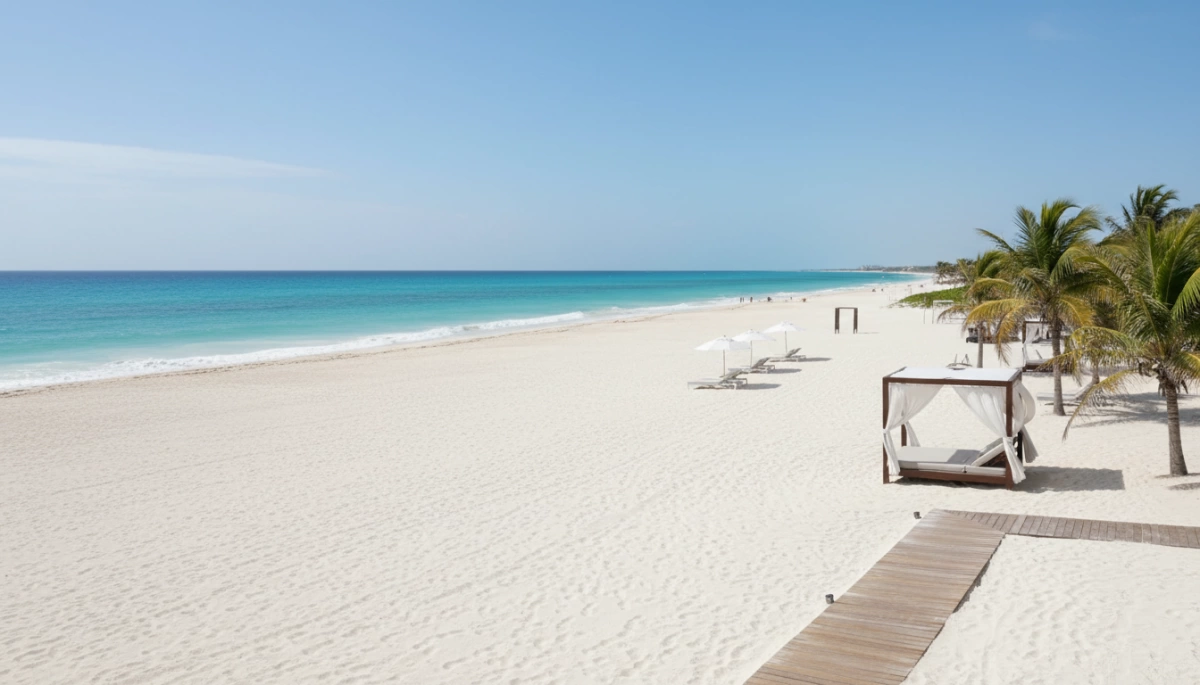
Caribbean Mexico beaches in the Riviera Maya are what most people in the U.S. picture when they think “Mexico vacation”: turquoise water, white sand, and warm, swimmable seas just a few hours’ flight away. Places like Cancun, Tulum, Playa del Carmen, Cozumel, and Isla Mujeres all sit on this coast, which makes it easy to mix beach time with cenotes, Mayan ruins, and nightlife in one trip.
Why Travelers Love Caribbean Mexico Beaches
Caribbean Mexico beaches work well for first‑timers, families, and couples because they’re simple to plan and easy to enjoy:
- Turquoise, clear water that’s great for swimming, paddleboarding, and snorkeling right off the beach in many areas.
- Soft, white sand that stays relatively cool, comfortable for kids and long walks.
- Warm seas year‑round, usually in the high 70s to mid‑80s °F, so you’re not dealing with that cold shock when you jump in.
- Riviera Maya vacation spots for every style: party in Cancun’s Hotel Zone, boho stays in Tulum, walkable town vibes in Playa del Carmen, or quieter island time on Isla Mujeres and Cozumel.
- Easy all‑inclusive options if you want a set‑it‑and‑forget‑it trip, plus boutique hotels if you care more about design and local feel.
For U.S. travelers, the big win is convenience: nonstop flights to Cancun from many major cities, English widely spoken in tourist areas, and plenty of US‑style comforts (ATMs, pharmacies, familiar food options) around most Caribbean Mexico beaches.
Best Time To Visit Caribbean Mexico Beaches (And Avoid Seaweed)
Weather and sargassum seaweed are the two big factors that will shape your trip.
In general, you can think of the best time to visit Mexico beaches on the Caribbean side like this (rough guide):
- Best overall (for most people):
- Late November – April
- Drier, less humidity, fewer storms, and typically lighter sargassum than peak season.
- Peak holiday crowds & prices:
- Christmas, New Year’s, Easter/Spring Break
- Great weather but higher prices and packed beaches.
- Higher sargassum risk (varies year to year):
- Roughly March – September, with many seasons peaking from May–August.
- Some beaches clean it daily, some don’t. A sargassum seaweed forecast can change quickly with currents and wind.
If you want to lean away from seaweed problems:
- Aim for late fall and winter (late November–February) when the water is still warm but seaweed is usually lighter.
- Consider areas that handle seaweed better: Cozumel’s west side, Isla Mujeres, and some Costa Mujeres and Riviera Maya resorts where they actively groom the sand or are better protected by currents.
- Keep your plans flexible: build in options like cenotes near Playa del Carmen, day trips to Snorkeling in Cozumel, or time at a resort pool in case one morning is more about seaweed cleanup than ocean swimming.
Safety And Transportation Tips For The Caribbean Coast
Caribbean Mexico beaches along the Riviera Maya are built for tourism, and that includes transportation that works well for U.S. visitors who don’t want headaches.
Getting around the Caribbean coast
- Airport transfers:
- From Cancun International Airport, you can use pre‑booked shuttles, private transfers, or the ADO bus to Cancun, Playa del Carmen, or Tulum.
- For most first‑timers going straight to a hotel, I recommend a pre‑booked shuttle or private transfer so you’re not dealing with vendors at the curb.
- Local transportation:
- ADO buses are reliable and comfortable between major towns (Cancun–Playa–Tulum).
- Colectivos (shared vans) are cheap and frequent on the main highway but better if you’re comfortable with basic Spanish and informal stops.
- Taxis are easy to grab in resort zones but agree on the fare beforehand; there’s no Uber in some parts of the Riviera Maya.
- Renting a car:
- Good if you want freedom to hit multiple Caribbean Mexico beaches, cenotes, and Pueblos Mágicos at your own pace.
- Book with a known company, understand full insurance costs, and avoid speeding on the highway—speed traps and topes (speed bumps) are common.
Simple beach safety basics
Caribbean Mexico beaches can look calm, but currents and conditions still matter:
- Pay attention to the beach flag system:
- Green: generally safe
- Yellow: use caution, small waves or currents
- Red: no swimming recommended
- Black: beach closed for swimming
- Swim where you see other people in the water and avoid going out alone, especially at unsupervised stretches of coast.
- Watch your stuff: use hotel safes for passports and cash, carry only what you need to the beach, and use a small anti‑theft bag if you’re moving around between towns.
- Stay hydrated and respect the Caribbean sun; UV is strong even on cloudy days, so pack reef‑safe sunscreen, a hat, and a light rash guard if you burn easily.
If you plan right around weather and sargassum, Caribbean Mexico beaches in the Riviera Maya give you that classic turquoise‑water vacation with enough infrastructure, transport options, and safety measures to feel straightforward for U.S. travelers of all experience levels.
Cancun Mexico Beaches
Best Mexico Beaches in Cancun’s Hotel Zone
If you’re a first timer, Cancun Mexico beaches in the Hotel Zone make everything simple:
- Playa Delfines: Public, wide, and scenic with that classic turquoise water. Stronger waves, but perfect for photos and getting a feel for the Caribbean.
- Playa Chac Mool & Playa Gaviota Azul: Great entry point if you want a swimmable beach close to bars, restaurants, and nightlife.
- Playa Marlin: Clean, open stretch of sand right behind big shopping centers – easy access for short beach days.
I like to tell first-time visitors: stay oceanfront in the Hotel Zone if you want “step out of the elevator and you’re on the sand” convenience.
Quiet Mexico Beach Spots in Cancun
If you want Cancun Mexico beaches without the constant party:
- Playa Langosta: Calmer, shallow water on the Hotel Zone’s north side, more locals than spring breakers.
- Playa Tortugas (early morning): Go before 10 a.m. for mellow vibes and flat water.
- Isla Mujeres day trip: Take the ferry from Cancun to Playa Norte for soft sand and relaxed beach clubs, then head back by sunset.
These quieter spots still give you the beauty of Cancun, just with less noise and fewer crowds.
Family-Friendly Mexico Beaches and Resorts in Cancun
For U.S. families, I focus on Cancun Mexico beaches that are swimmable, safe, and close to kid-focused resorts:
- North Hotel Zone (around Km 4–9): More sheltered water for kids, especially near Playa Langosta and Playa Tortugas.
- Family-friendly Mexico resorts: Look for big brands with kids clubs, lifeguards, and shallow beachfront pools (think larger all-inclusive properties, not just boutique stays).
- What I recommend for parents:
- Choose beachfront rooms to avoid crossing busy roads
- Check recent reviews for seaweed and surf conditions
- Confirm supervised kids activities so adults can actually relax
If you want easy flights, direct beach access, and predictable comfort, Cancun Mexico beaches are one of the most efficient choices for a quick family escape from the U.S.
Tulum Mexico Beaches
Tulum vs Cancun: Beaches, Nightlife, Budget
If you’re choosing between Tulum Mexico beaches and Cancun, here’s the quick breakdown:
- Beaches: Tulum beaches feel more natural and low‑rise, with palm trees, beach clubs, and eco hotels right on the sand. Cancun’s Hotel Zone has wider, more built‑up beaches with big resorts and easier public access.
- Nightlife: Cancun is clubs, DJs, and all‑inclusive parties. Tulum is more about beach clubs, jungle bars, and DJ nights with a boho, wellness crowd. It’s social, but not “spring break” style.
- Budget: Cancun usually wins for value, especially for all‑inclusive deals. Tulum can be surprisingly expensive (beachfront prices, daybed minimums, taxis), even if you stay in town to save.
If you want pure beach and convenience, Cancun works. If you want a design‑driven, bohemian feel and don’t mind higher prices, Tulum Mexico beaches are worth it.
Best Tulum Beachfront Areas For Eco‑Chic & Yoga
For eco‑chic stays and yoga retreats on Tulum Mexico beaches, I focus on three main areas:
- North Beach Zone: Slightly quieter, good mix of boutique hotels and beach clubs, easier access to town and cenotes.
- Middle Beach Zone: Prime “Instagram Tulum” strip. Stylish eco resorts, wellness hotels, daily yoga, and plant‑heavy restaurants right on the sand. Expect higher prices and more scene.
- South Beach/Biosphere Edge: Closer to Sian Ka’an Biosphere Reserve, more laid‑back, fewer crowds, and some of the best spots for morning yoga and sunrise walks.
When I book for U.S. travelers, I lean toward places that offer onsite yoga, beach service, bike rentals, and shuttle options, so you’re not stuck paying for taxis every time you move.
Sargassum Seaweed On Tulum Mexico Beaches
Sargassum seaweed can impact Tulum Mexico beaches, especially from April through September, depending on the year and the sargassum seaweed forecast:
- What to expect: Brown seaweed on the shoreline, sometimes with a smell, and reduced water clarity on heavy days. Many hotels clean their stretch daily, but it’s not perfect.
- How to plan:
- Check recent traveler photos and local reports a few weeks before your trip.
- Look for hotels known for active beach cleaning.
- Plan backup activities: cenotes, wellness days, Mayan ruins, and yacht trips to clearer water.
- Alternatives: If seaweed is heavy on Tulum beaches during your dates, consider mixing in a day trip to cenotes or even shifting part of your stay to Cozumel or the Pacific coast, where sargassum is usually lighter.
I always tell U.S. travelers: book Tulum for the overall vibe—eco‑chic hotels, food, yoga, and design—not just the water color, and you’ll still feel like you got the Mexico beach escape you wanted.
Isla Holbox Mexico beaches
Isla Holbox Mexico beaches feel different from other Mexico beaches because the whole island runs on “barefoot slow.” Cars are banned, the sand is powder–soft, and the water is so shallow and calm you can walk out forever over sandbars. If you’re coming from the U.S. and want a chill, no–high-rise alternative to Cancun or Tulum, Holbox is where I’d send you.
Why Isla Holbox beaches feel different
- Ultra–shallow sandbars: Long, walkable sandbars with warm, clear water instead of deep drop–offs.
- No big resorts: Small boutique hotels and beach bungalows instead of massive all-inclusive towers.
- Laid-back vibe: Hammocks in the water, golf carts instead of taxis, and real “no shoes” energy.
- Wildlife everywhere: Flamingos, pelicans, and rays cruising the shoreline feel normal here.
Best things to do on Holbox
- Whale shark tours (seasonal): From roughly June–mid-September, you can book regulated tours to swim with whale sharks in the open sea.
- Bioluminescent waters: On dark nights, join a bioluminescence tour and watch the water glow as you move.
- Sandbar walks & kayaking: Explore Punta Mosquito and Punta Cocos for endless sandbars, sunsets, and quiet lagoons.
- Low-key beach time: Lounge at a beach club, grab tacos in town, and watch insane sunsets right from the shore.
How to get to Isla Holbox (ferry, transfers, timing)
Step 1: Get to Chiquilá
- From Cancun Airport, Tulum, or Playa del Carmen, you can take an ADO bus, shared shuttle, or private transfer (most U.S. visitors book private or shared vans for comfort and timing).
- Drive time from Cancun Airport to Chiquilá is about 2–2.5 hours.
Step 2: Take the Isla Holbox ferry
- Ferries run about every 30 minutes during the day and take roughly 20–25 minutes to reach Holbox.
- You don’t need to book far in advance; just arrive at the pier, buy your ticket, and hop on the next boat.
Timing tips for U.S. travelers
- Aim to land in Cancun before early afternoon so you can reach Holbox the same day without rushing.
- If your flight arrives late, consider staying one night in Cancun or near the airport, then head to Holbox early the next morning for a smoother start to your beach time.
Playa del Carmen & Cozumel Mexico Beaches
Best Mexico beaches in Playa del Carmen
If you want walkable beach town vibes, Playa del Carmen Mexico beaches are a strong fit for U.S. travelers who like to stay mobile without renting a car.
- Mamitas Beach & Playa Fundadores – Lively, easy to reach from 5th Avenue, with beach clubs, chairs, and water sports; good if you want music and a social scene.
- Playacar Beach – Quieter, wider, and more upscale, lined with resorts and vacation rentals; better for families, couples, and morning jogs.
- North Playa (near CTM Avenue) – More local and laid-back, fewer crowds and vendors, solid choice if you want a simple beach day close to town.
You can walk from your hotel or Airbnb to most Playa del Carmen beaches, grab tacos and coffee on 5th Avenue, and still be back on the sand in minutes.
Snorkeling and scuba diving near Cozumel reefs
Cozumel Mexico beaches sit next to some of the best reefs in the Western Hemisphere, so I treat the island as a base for easy snorkel and dive days.
Top reef and dive spots near Cozumel:
- Palancar Reef & Colombia Reef – Classic Cozumel wall diving with clear water and healthy coral; ideal for certified divers.
- Paradise Reef & Chankanaab – Close to the cruise pier and great for first-time divers and guided snorkeling.
- El Cielo – Shallow, bright turquoise water, starfish, and sandbar vibes; perfect for families and non-divers.
If you’re coming from Playa del Carmen, the Playa del Carmen–Cozumel ferry runs often, so you can book a 2‑tank dive or snorkel tour and return the same day.
Day trips from Playa del Carmen to Mexico beaches and cenotes
Playa del Carmen is one of the easiest Riviera Maya vacation spots for quick day trips, especially if you’re a U.S. traveler who wants simple logistics.
Easy day trips I recommend:
- Cenotes near Playa del Carmen – Cenote Azul, Jardín del Eden, and Cristalino are all off Highway 307; great for swimming in clear freshwater, cliff jumping, and cooling off when the beach is windy.
- Xpu-Ha Beach – Chill, low-rise beach south of town with beach clubs and mellow water; good mix of local and resort feel.
- Akumal – Known for sea turtles (go with a licensed guide), calm water, and family-friendly Mexico beach resorts.
- Cozumel Day Trip – Take the ferry, rent a scooter or car, and loop the island for quieter east-side beaches away from the cruise crowds.
For most of these, you can use ADO buses, colectivos, or a rental car, so you’re not locked into expensive tours to enjoy more Mexico beaches and cenotes in a short trip.
Pacific Mexico Beaches (Baja & Mainland)
Pacific Mexico beaches feel totally different from the Riviera Maya, and they’re often a better fit for U.S. travelers who want dramatic scenery, surfing, and cooler nights instead of flat, bath‑warm water.
How Pacific Mexico Beaches Compare To Riviera Maya
- Caribbean Mexico beaches (Riviera Maya vacation spots like Cancun and Tulum) = calm turquoise water, flat horizons, humid heat.
- Pacific Mexico beaches (Baja California Sur, Puerto Vallarta, Oaxaca) = deep blue water, rugged cliffs, stronger waves, killer sunsets.
- If you care more about views, surf, and less humidity, the Pacific side usually wins.
- If you want easy swimming, snorkeling, and shallow seas, the Caribbean side usually fits better.
Waves, Sunsets, And Surfing On The Pacific Coast
- Wave conditions:
- Baja and mainland spots like Puerto Escondido surfing beaches get consistent swell, great for intermediate and advanced surfers.
- Some bays near Puerto Vallarta and Zihuatanejo bay stay more protected, better for casual swimmers.
- Sunsets:
- The Pacific faces west, so you get those fiery, end‑of‑day sunsets right over the ocean that you won’t see on Riviera Maya beaches.
- Surf culture:
- Towns like Sayulita (famous Sayulita bohemian vibe) and Mazunte mix surf, yoga, and low‑key nightlife, which many U.S. travelers prefer over clubby resort strips.
When To Choose Pacific Over Caribbean Mexico Beaches
Pick Pacific Mexico beaches instead of Caribbean Mexico beaches when:
- You want to avoid sargassum seaweed and don’t want to track a sargassum seaweed forecast every day.
- You’re into surfing, boogie boarding, or watching big waves more than snorkeling in glass‑calm water.
- You love cooler evenings, dramatic landscapes, and sunset bars instead of flat turquoise lagoons.
- You’re planning a Baja California Sur road trip or want easy access from U.S. West Coast airports.
If your priorities are surf, sunsets, and scenery, the Pacific side is usually the smarter Mexico beaches play.
Los Cabos Mexico Beaches
Best swimmable beaches in Cabo
Not every Los Cabos Mexico beach is safe for swimming, so I always tell people to choose carefully:
- Medano Beach (Playa el Médano) – This is the main swimmable beach in Cabo San Lucas. Calm enough for families, tons of restaurants and bars, easy access to water taxis and activities. Great base if you want that classic “Cabo energy.”
- Chileno Beach (Playa Chileno) – One of the best swimmable beaches in Cabo for clear water and snorkeling. Protected cove, fewer party boats, nice mix of locals and visitors. Good for kids who are comfortable in the water.
- Santa Maria Beach (Playa Santa María) – Horseshoe-shaped bay with usually calm water and very good snorkeling. It feels more low-key than Médano, with a more natural, unplugged vibe.
- Palmilla Beach (Playa Palmilla) – Near San José del Cabo, this is a favorite for families and couples who want a calmer, more upscale feel. Usually gentle waves, especially in the swim zone.
Cabo beaches to avoid for swimming
Some famous Cabo beaches are stunning but too dangerous for casual swimming because of strong currents and steep drop-offs:
- Lover’s Beach (Playa del Amor) – Swimmable on the Sea of Cortez side when conditions are calm, but you still need to be cautious.
- Divorce Beach (Playa del Divorcio) – On the Pacific side, absolutely not for swimming. Strong rip currents and big surf. Treat it as a photo stop only.
- Most Pacific-facing beaches like Playa Solmar and Playa Pedregal – Gorgeous for walks and sunsets, but not safe for swimming. I treat Pacific-side Cabo beaches as “look, don’t swim” unless a local lifeguard says otherwise.
When in doubt, I follow two rules: check the beach flags and only swim where locals and families are already in the water.
Top Mexico beach resorts in Cabo for luxury and romance
If you’re planning a romantic Los Cabos Mexico beaches escape, this is where I’d start looking. These are luxury, couples-focused spots that work well for honeymoons, anniversaries, or grown-up getaways:
- The Resort at Pedregal / Waldorf Astoria Los Cabos Pedregal – Dramatic cliffside setting, private plunge pools, serious service. Ideal if you want a “wow” factor and don’t mind spending.
- One&Only Palmilla – Classic luxury near Palmilla Beach, with refined rooms and a very romantic vibe. Great balance of swimmable beach and high-end resort life.
- Chileno Bay Resort & Residences (Auberge) – Modern, stylish, and right by one of the best swimmable beaches in Cabo. Strong choice if you care about design, food, and easy access to the water.
- Esperanza, Auberge Resorts Collection – Intimate, cliffside setting with a big focus on couples. Not a primary swimming beach, but incredible views and atmosphere.
- Marquis Los Cabos – Adults-only, all-inclusive feel without being over-the-top. Good pick if you want to lock in your budget and focus on relaxing.
For U.S. travelers who want simplicity, I usually recommend either a luxury all-inclusive Mexico resort or a property that includes airport transfers, especially if it’s your first time in Cabo.
Seasonal highlights in Cabo
Los Cabos Mexico beaches feel different by season, so I plan around what I want most: whales, calm water, or fewer crowds.
Whale watching (peak: December–March)
- Humpbacks and gray whales migrate through the area.
- Best months: January and February for consistent sightings.
- I always book a small-boat tour with a reputable operator for a better experience.
Weather and beach conditions
- November–April: Dry, sunny, comfortable temps; cooler nights. Ocean can feel brisk but still swimmable for most. This is prime season for many U.S. visitors.
- May–June: Warmer but not at peak heat yet, fewer crowds, good time for deals on Cabo beach resorts.
- July–October: Hottest and most humid, with peak hurricane season mainly August–October. Seas can be rougher and there may be temporary beach closures if storms approach.
Crowds and pricing
- High season: Christmas–New Year’s, President’s Day, Spring Break, and Easter/Semana Santa. Expect higher prices and busy Los Cabos Mexico beaches.
- Shoulder season: Late April–early June and late October–early November are my favorite sweet spots for better value and more space on the sand.
- Low season: Mid-summer and peak hurricane months; better rates but hotter weather and higher storm risk.
If you’re coming from the U.S. West Coast and want an easy, quick beach escape with reliable flights, swimmable Cabo beaches like Médano, Chileno, and Palmilla plus a solid luxury resort can make Los Cabos one of the most convenient high-end beach trips in Mexico.
Puerto Vallarta & Riviera Nayarit Mexico Beaches
Best Mexico beaches near Puerto Vallarta for culture and scenery
If you want beaches with real Mexican culture, Puerto Vallarta and nearby Riviera Nayarit beaches deliver. Around PV, I’d focus on:
- Playa Los Muertos: lively boardwalk, beach clubs, street food, sunsets, and easy access from the Romantic Zone.
- Conchas Chinas Beach: small coves, rock pools, clear water, and a more local, low‑key feel just south of town.
- Boca de Tomatlán: jungle-backed bay where you can grab a panga boat to hidden coves like Las Ánimas and Quimixto.
For U.S. travelers, this area is ideal if you want a mix of walkable neighborhoods, local restaurants, art, and beaches rather than a pure resort bubble.
Riviera Nayarit beach towns: Nuevo Vallarta, Bucerías, Punta Mita
Riviera Nayarit lines the coast just north of Puerto Vallarta and works well if you want resort comfort with easy day trips:
- Nuevo Vallarta (Nuevo Nayarit): long, flat, swimmable beach, family‑friendly Mexico resorts, and plenty of all‑inclusive options with wide pools and kids’ clubs.
- Bucerías: laid‑back town with a long sandy beach, mellow waves, kiteboarding in season, and affordable rentals—great if you want a slower pace but quick access to PV.
- Punta Mita: luxury peninsula with high‑end resorts, golf, and quiet coves; good choice if you’re after luxury all‑inclusive Mexico vibes in a more private setting.
I usually suggest U.S. visitors stay in Nuevo Vallarta or Bucerías if they want value and space, and Punta Mita when the priority is privacy and high‑end service.
Day trips to Sayulita and San Pancho for bohemian surf vibes
For bohemian surf towns, Sayulita and San Pancho (San Francisco) are easy day trips from Puerto Vallarta and Riviera Nayarit:
- Sayulita: classic Sayulita bohemian vibe—colorful streets, surf schools, yoga studios, markets, and a lively main beach with beginner‑friendly waves. Expect crowds in high season.
- San Pancho: quieter and more local, with a wide beach, stronger waves, and a creative community; better if you want sunsets, art, and fewer party crowds.
From most Puerto Vallarta and Riviera Nayarit beaches, you can reach these towns by bus, colectivo, or private transfer. I treat them as must‑do day trips if you’re into surf, casual beach bars, and a more alternative Mexico beach scene.
Puerto Escondido Mexico Beaches
Best Puerto Escondido Mexico beaches: surfing vs swimming
Puerto Escondido Mexico beaches split pretty cleanly between big-wave surf spots and calmer swimming coves:
Surfing beaches
- Playa Zicatela – world-class Puerto Escondido surfing, huge beach breaks, pro-level only, strong currents, great for watching if you don’t surf.
- La Punta Zicatela – mellow point break on the south end, good for intermediate surfers and lessons, laid-back, bohemian vibe.
- Playa Carrizalillo (on good days) – smaller, friendlier waves, great for beginners learning to surf.
Swimming beaches
- Playa Carrizalillo – your best bet for swimming in Puerto Escondido Mexico beaches: clear water, small bay, nicer for families and cautious swimmers.
- Playa Manzanillo & Playa Puerto Angelito – calmer conditions, local boats, snorkeling, and easy places to rent loungers and grab seafood.
Budget Mexico beach areas in Oaxaca
If you want a low-cost, backpacker-style base on the Oaxaca coast, Puerto Escondido makes it simple:
- Zicatela & La Punta – hostels, surf camps, simple guesthouses, shared kitchens, easy to meet other travelers.
- Centro / Playa Principal – cheaper rooms, local markets, budget street food, good if you want a more local feel and still walk to the beach.
- Money-saving tips
- Eat at comedor-style spots and taco stands instead of beachfront restaurants.
- Use colectivos and shared taxis to reach nearby Pueblos Mágicos and smaller beaches.
- Travel in shoulder season (May–June, Sept) for lower hotel rates on Mexico beaches in Oaxaca.
Wildlife and nature around Puerto Escondido Mexico beaches
The Oaxaca coast is one of the best Mexico beach regions for easy nature experiences:
- Sea turtle releases – several local projects near Puerto Escondido (La Escobilla, Playa Bacocho) run ethical baby turtle releases at sunset; book with registered operators only.
- Bioluminescent lagoons – night tours from Puerto Escondido to Laguna de Manialtepec or Laguna de Chacahua let you swim in glowing water under the stars.
- Dolphins, rays, and whales (seasonal) – early-morning boat trips often spot wildlife offshore; look for guides who avoid chasing or crowding animals.
For US travelers, I’d lock in travel insurance, keep some pesos on hand, and build at least 3–4 nights here into any Mexico beaches itinerary if you want that mix of surf, nature, and budget-friendly coastal living.
Zihuatanejo Mexico Beaches
Zihuatanejo Mexico beaches are my go-to pick when you want romance, real local flavor, and none of the overbuilt chaos you see in some big-name spots.
Most Romantic Mexico Beaches Around Zihuatanejo Bay
For couples, Zihuatanejo Bay feels tailor-made:
- Playa La Ropa – Long, swimmable beach with calm water, beachfront restaurants, and sunset views that honestly rival anywhere in Mexico. Great for long walks, paddleboarding, and lazy beach days.
- Playa Las Gatas – Small cove you reach by boat or a walking path. The reef keeps the water glassy and clear, perfect for snorkeling and low-key beach bars.
- Playa La Madera – Compact, relaxed, and walkable from town. Nice mix of local energy and quiet corners for sunset drinks.
These are the kind of Mexico beaches where you can actually hear the waves at night and walk barefoot to dinner.
Best Areas To Stay In Zihuatanejo
If you want that sleepy fishing village feel, here’s where I’d stay:
- La Ropa hillside & beachfront – Boutique hotels and villas with bay views, infinity pools, and easy beach access. Ideal for couples and honeymooners.
- Playa La Madera area – Smaller guesthouses and apartments, easy walk to town and the beach. Good value and a more local vibe.
- Downtown Zihuatanejo – If you want markets, seafood stalls, and the fishing pier at your doorstep, stay in or near Centro and walk to the bay.
I target these zones because they balance comfort with that authentic small-town coastal Mexico feel U.S. travelers usually want but struggle to find.
Ixtapa Beaches For A Resort-Style Contrast
The beauty of Zihuatanejo Mexico beaches is that you’re just 10–15 minutes from Ixtapa if you want a full resort experience:
- Playa El Palmar (Ixtapa) – Long, wide beach lined with large, all-inclusive and luxury resorts. Stronger waves, great sunsets, more of a classic resort strip feel.
- Playa Linda – Quieter stretch north of Ixtapa with a more natural look and access to boat trips to Ixtapa Island.
- How I’d use both – Sleep in Zihuatanejo for charm and local food; day-trip to Ixtapa for big pools, spa days, and a different style of Mexico beach.
For U.S. travelers, this combo is strong: you get romantic, small-scale Zihuatanejo Mexico beaches plus easy access to Ixtapa’s resort infrastructure when you want it.
Hidden Gem Mexico Beaches
What Makes Mexico Beaches Feel Off The Beaten Path
When I talk about hidden gem Mexico beaches, I mean places where you still feel like a traveler, not part of a tour group. A beach feels “off the beaten path” when:
- There are more fishing boats than cruise excursions.
- You can still find family-run guesthouses instead of huge chains.
- Nightlife is more hammocks and stars than clubs and bottle service.
- You hear more Spanish than English on the sand.
For U.S. travelers, these low-key Riviera Maya vacation spots and small Pacific pueblos can feel like a reset from crowded resort strips.
Pros And Cons Of Lesser Known Mexico Beaches
Choosing lesser known Mexico beaches is a trade-off. I’ll be straight about it:
Big pros
- Lower prices: Rooms, food, and tours usually cost less than in Cancun or Los Cabos.
- Laid-back vibe: Fewer crowds, softer noise, more space to spread out on the sand.
- More local culture: You support small businesses in Pueblos Mágicos and surf towns instead of massive resorts.
- Nature first: Better chances for wildlife, clear night skies, and untouched coves.
Real cons
- Limited medical care: Clinics may be basic; serious care means a long drive.
- Less English spoken: Great for immersion, but you’ll want a few Spanish basics.
- Simple infrastructure: Patchy Wi‑Fi, bumpy roads, fewer ATMs, and cash-only spots.
- Weather and sea risks: Stronger currents and fewer lifeguards than big-name family-friendly Mexico resorts.
Balancing Comfort And Adventure On Remote Coasts
You can still enjoy hidden gem Mexico beaches without roughing it more than you want. Here’s how I balance comfort and adventure:
- Start with access: If you’re new to Mexico, choose remote-ish spots near bigger hubs (for example, a Baja California Sur road trip that mixes La Paz with smaller beaches instead of going fully off-grid).
- Book smart stays: Look for small boutique hotels or eco-lodges that clearly list Wi‑Fi, hot water, and A/C so you know what you’re trading off.
- Layer your transport: Use major hubs for flights and ADO buses, then switch to taxis or local shuttles for the last stretch to quieter bays.
- Pack for self-reliance: Bring cash in pesos, a basic first-aid kit, power bank, reef-safe sunscreen, and offline maps.
- Keep one foot in comfort: Mix a few nights in a luxury all-inclusive Mexico resort or larger town with a couple of nights in a low-key beach village.
This way, you still get the wild-coast feel of hidden gem Mexico beaches without giving up every comfort you rely on at home in the U.S.
Balandra Beach, La Paz: One Of The Best Mexico Beaches
Balandra Beach in La Paz is exactly what most people picture when they think of dream Mexico beaches: shallow, clear water that looks like a natural swimming pool, soft white sand, and zero high-rise hotels blocking the view.
Why Balandra Is So Special
Balandra stands out from other Mexico beaches because it’s:
- Calm and shallow – you can walk hundreds of feet out with water still at your waist, perfect for kids and non-swimmers.
- Insanely clear – bright turquoise and blue tones that look like a Riviera Maya postcard, but with a quieter Baja California Sur vibe.
- Surrounded by desert hills – the contrast of cactus-covered cliffs and blue bay makes it feel untouched and remote.
Shallow “Pool” Waters And The Mushroom Rock
The famous mushroom rock (El Hongo) is the iconic photo spot at Balandra Beach. It’s a natural rock formation shaped like a mushroom, and it’s one of the most recognizable sights among Mexico beaches.
- Treat the bay like a giant saltwater pool: ideal for paddleboarding, kayaking, and floating.
- Currents are usually mild, so it’s a comfortable intro spot for people who aren’t used to the Pacific side of Mexico’s coast.
- The mushroom rock is fragile, so photos are fine, but climbing on it is not.
When To Go And How To Protect Balandra
Because Balandra is a protected natural area, I treat it less like a typical beach day and more like visiting a national park.
Best timing:
- Go early (morning slot) or right before sunset to avoid crowds and harsh sun.
- There are daily capacity limits, and access is often split into time blocks, so I recommend arriving early or booking a local tour that locks in your entry.
How to protect the ecosystem:
- Skip regular sunscreen in the water; use reef-safe sunscreen, rash guards, and hats.
- Pack out all your trash; there are limited services on the beach.
- Don’t step on or remove any coral, shells, or wildlife.
- Respect the rules and signs; this is how Balandra stays one of the cleanest and most beautiful Mexico beaches for the long term.
Mazunte & The Oaxaca Coast
Mazunte is one of those Mexico beaches that hits different if you’re into slower travel, wellness, and nature. It’s a tiny, walkable beach town on the Oaxaca coast with a spiritual vibe—think yoga shalas, meditation retreats, mezcal bars, and barefoot cafés instead of big all‑inclusive resorts. If you’re coming from the U.S. looking for something more soulful than Cancun or Cabo, Mazunte is where I’d send you.
Mazunte as a spiritual Mexico beach town
Mazunte feels like a laid‑back, eco‑friendly village where people actually unplug. You’ll find:
- Daily yoga and breathwork classes, sound healing, and small retreats
- Simple guesthouses and bungalows instead of high‑rise hotels
- Vegetarian and vegan spots, fresh seafood, and beach bars you can walk to in minutes
- A slower pace that’s great for solo travelers, couples, and digital nomads who want to stay a while
Sunsets at Punta Cometa and local festivals
Punta Cometa is the headline act here. It’s one of the best sunset spots on the entire Oaxaca coast, and it’s easy to reach on foot from Mazunte:
- Hike 15–25 minutes to the lookout for dramatic Pacific sunsets and cliff views
- Go for sunrise if you want it quiet and cooler with fewer people
- Around holidays and local festivals, the town fills up with live music, ceremonies, and beach gatherings, so book early if you’re traveling from the States during Christmas, New Year’s, or Semana Santa
Nearby coves and beaches for your Oaxaca itinerary
The beauty of basing yourself in Mazunte is how many other Mexico beaches you can reach quickly:
- San Agustinillo – A chill neighboring bay, great for swimming, small family‑run hotels, and oceanfront breakfasts
- Zipolite – Famous nude beach and bohemian scene; more party and late‑night energy
- Playa Mermejita – Wide, wild beach with powerful waves and almost no development, perfect for long walks and sunset watching
If you’re planning a Oaxaca coast trip from the U.S., you can fly into Huatulco or Puerto Escondido, then grab a shuttle or taxi down the coast. Mazunte and its nearby coves give you that mix of spiritual, off‑grid Mexico beach energy without sacrificing comfort or good food.
Bacalar Lagoon Of Seven Colors
Why Bacalar belongs on a Mexico beaches itinerary
Even though Bacalar is a lagoon, it absolutely earns a spot next to the best Mexico beaches. You get the same clear, swimmable water you’d expect on a Riviera Maya vacation, but with calmer vibes, fewer crowds, and a lower-key, authentic town. The Lagoon of Seven Colors shifts from pale turquoise to deep navy, so it feels like a mix of Caribbean sea and freshwater lake in one place.
Best spots for swimming, kayaking, and sailing
For U.S. travelers who like easy access and comfort, I’d focus on these areas:
- Public Balnearios (Balneario Municipal, Balneario Ejidal): Affordable, family-friendly swimming with piers, ladders, and shallow entries.
- Cenote Negro & Cenote Azul area: Deeper water and dramatic color changes, great for kayaking and paddleboarding.
- Los Rápidos de Bacalar: Gentle current you can float, plus restaurants with direct lagoon access.
- Sailing tours from town pier: No motor noise, just quiet cruising to the best “seven colors” sections and bird‑watching spots.
Book a small-group sailing or clear‑kayak tour if you want those postcard views without doing a lot of planning.
How to fit Bacalar into a Riviera Maya or Costa Maya trip
Bacalar pairs well with classic Mexico beaches like Tulum, Playa del Carmen, and Costa Maya cruise stops:
- From Riviera Maya (Cancun/Playa/Tulum):
- Drive or shuttle 3.5–4.5 hours south on Highway 307.
- Add 2–3 nights in Bacalar at the end of your trip to unwind after busier beach towns.
- From Costa Maya (Mahahual cruise port):
- About 1 hour by taxi or pre-booked transfer.
- Ideal as a day trip for lagoon swimming and a sailing tour.
- How I’d structure it:
- Start with a few days on Riviera Maya beaches and cenotes near Playa del Carmen.
- Finish in Bacalar for quiet mornings on the dock, kayaking at sunrise, and relaxed nights in town.
If you like Mexico beaches but want one place that feels calmer, cheaper, and more local, Bacalar Lagoon of Seven Colors is the move.
Know Before You Visit Mexico Beaches
When I plan Mexico beach trips, I stick to a few non‑negotiables for safety, health, and money. Here’s what I recommend before you hit any Mexico beaches, from Riviera Maya vacation spots to Pacific surf towns.
Quick Safety Basics For Mexico Beaches
- Respect the sun: wear reef‑safe SPF 30+, a hat, and light layers; Mexico beaches get intense UV, even on cloudy days.
- Don’t leave valuables on the sand; use a small dry bag and keep passports/cards locked in your hotel safe.
- Swim near lifeguards and crowds, especially if you’re with kids or it’s your first time at that beach.
- Don’t mix heavy drinking with swimming or jet skis; most accidents at Mexico beaches involve alcohol.
- At night, stick to lit areas on the beach and main streets; use licensed taxis or app rides where available.
Beach Flags, Currents, And Swim Warnings
Mexico beaches use a simple flag system you should take seriously:
- Green flag – Calm water, safe for swimming, but still watch kids and weak swimmers.
- Yellow flag – Moderate waves or currents; go in waist‑deep only and stay close to shore.
- Red flag – Strong currents or surf; no swimming, only ankle‑deep if locals are doing the same.
- Black flag – Water closed; stay out completely.
- If you feel a rip current: stay calm, float, swim parallel to shore, then angle back in. Don’t fight it head‑on.
Travel Insurance, Health, And Money Tips
- Get solid travel insurance that covers medical care, surf or scuba, and emergency evacuation for remote Mexico beaches.
- Drink bottled or filtered water, and pack basic meds: anti‑diarrheal, pain reliever, motion sickness, electrolyte packets.
- Use ATMs inside banks or big supermarkets, not random street machines; bring a backup debit/credit card.
- Pay in pesos when you can; beach bars and tours sometimes use bad exchange rates for USD.
- Notify your bank of your Mexico trip so they don’t block your card after a big resort or excursion charge.
Sargassum And Sea Conditions At Mexico Beaches
What sargassum seaweed is and when it hits Mexico beaches
Sargassum is a floating brown seaweed that drifts in from the Atlantic. It’s natural, but in big waves it piles up on some Mexico beaches and can affect swimming, views, and even hotel smells.
Key things I watch for as a traveler and operator:
- Peak sargassum season on Caribbean Mexico beaches is usually April–September, with random spikes.
- The Riviera Maya vacation spots most affected are Cancun, Playa del Carmen, Tulum, and parts of Costa Maya.
- Conditions change week to week, so I always check a local sargassum seaweed forecast and hotel reviews from the last few days before booking.
Best Mexico beaches and regions to avoid heavy seaweed
If you want to lower your risk of sargassum on Mexico beaches, focus on areas that are naturally more protected or face different currents:
- Isla Mujeres (Playa Norte) – calm, swimmable, and usually cleaner than Cancun’s open‑ocean side.
- Cozumel west coast – great for snorkeling in Cozumel, with clearer water most of the time.
- Bacalar Lagoon of Seven Colors – it’s a lagoon, not an ocean beach, so no sargassum.
- Zihuatanejo bay and some Pueblos Mágicos beach towns on the Pacific side also avoid the Atlantic seaweed problem.
When in doubt, I pick smaller coves, bays, and west‑facing shores, which tend to see less sargassum than open, east‑facing Caribbean stretches.
Pacific coast alternatives when Caribbean Mexico beaches are affected
When sargassum is heavy on the Caribbean side, I often redirect customers to Pacific Mexico beaches where conditions are cleaner and sunsets are better:
- Los Cabos, Baja California Sur – clear water at the best swimmable beaches in Cabo, plus whale watching in season.
- Puerto Vallarta & Riviera Nayarit – good mix of culture, beach towns, and swimmable spots; great for family‑friendly Mexico resorts.
- Sayulita bohemian vibe and San Pancho – fun surf towns when you want waves and laid‑back bars.
- Puerto Escondido surfing and nearby Oaxaca coves – stronger waves but amazing for surfers and wild beaches.
If your dates fall in peak sargassum months and you’re not flexible, I strongly consider shifting from a Riviera Maya beach trip to a Pacific coast itinerary instead.
Weather And Best Time To Visit Mexico Beaches
When I plan a Mexico beaches trip, I always start with weather. It makes or breaks the experience, whether I’m aiming for calm Caribbean water in the Riviera Maya or big Pacific waves in Puerto Escondido or Cabo.
Dry Season vs Hurricane Season (Simple Breakdown)
Here’s the quick version for most Mexico beach destinations:
Dry season (Nov–Apr):
- More sun, less rain, lower humidity
- Better for families, first‑timers, and short getaways
- Higher prices and more crowds around Christmas, New Year’s, and spring break
Hurricane/rainy season (Jun–Oct):
- Warmer, stickier, with short, heavy showers
- Highest storm risk on the Caribbean coast (Cancun, Tulum, Isla Holbox, Riviera Maya) from Aug–Oct
- Pacific side (Cabo, Puerto Vallarta, Oaxaca coast) can see storms but usually fewer direct hits
- Good deals if you’re flexible and buy solid travel insurance
Best Months For Calm Water, Clear Skies, Fewer Crowds
If you want that “postcard” Mexico beaches vibe with blue skies and swim‑friendly water, I target these windows:
Caribbean Mexico beaches (Cancun, Tulum, Playa del Carmen, Cozumel):
- Best overall: Late Nov–early Feb for cooler temps and clear water
- Best balance of price + weather: Late Jan–early Mar
- Avoid busiest times: Christmas–New Year’s and U.S. spring break
Pacific Mexico beaches (Los Cabos, Puerto Vallarta, Sayulita, Mazunte, Zihuatanejo):
- Best overall: Nov–Apr for dry, sunny days and epic sunsets
- Least crowds with good weather: Nov–mid Dec and late Apr–early Jun
If you hate crowds but still want good weather, shoulder season (early December or late April/early May) hits the sweet spot for most Mexico beach towns.
When To Go: Surfing vs Snorkeling vs Whale Watching
Timing matters a lot if you’re planning activities, not just beach naps:
Best time for surfing (mainly Pacific coast):
- Puerto Escondido, Oaxaca coast, Sayulita, Baja California Sur:
- Stronger, more consistent waves from May–Oct
- Winter (Nov–Feb) can still be good for beginners on smaller breaks
- Puerto Escondido, Oaxaca coast, Sayulita, Baja California Sur:
Best time for snorkeling & diving (clear, calm water):
- Caribbean (Riviera Maya, Cozumel, Isla Mujeres):
- Nov–Apr for good visibility and fewer storms
- Pacific (Cabo, Riviera Nayarit, La Paz):
- Oct–Feb often brings clearer, cooler water
- Caribbean (Riviera Maya, Cozumel, Isla Mujeres):
Best time for whale watching (mainly Baja & Pacific):
- Baja California Sur (Cabo, La Paz, Magdalena Bay):
- Peak season Dec–Mar for gray whales, humpbacks, and more
- Pacific mainland (Puerto Vallarta area):
- Dec–Mar is your best shot
- Baja California Sur (Cabo, La Paz, Magdalena Bay):
If you’re coming from the U.S. and want the safest bet for good weather on Mexico beaches, fewer crowds, and solid activity options, I usually recommend late January through March or mid‑November through mid‑December, adjusting the coast (Caribbean vs Pacific) based on whether you’re chasing surf or snorkeling.
Getting Around Mexico Beaches
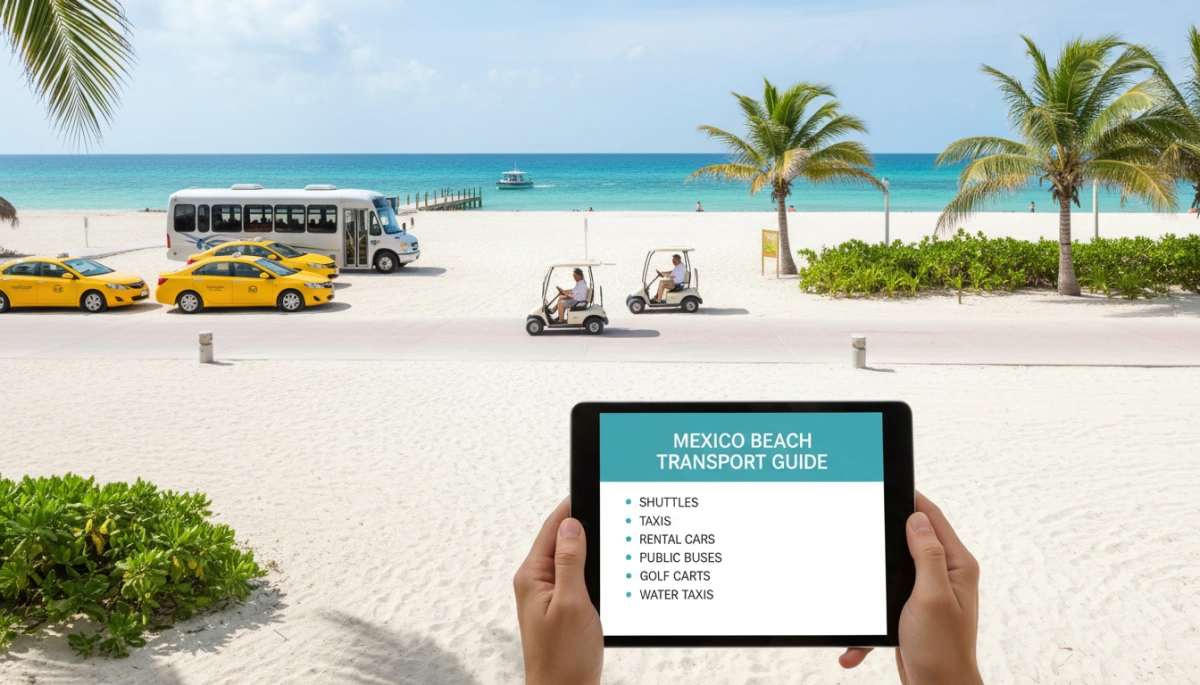
When I plan Mexico beaches trips, I always pick transport based on budget, comfort, and how many stops I want to make.
ADO buses vs shuttles vs car rentals
Here’s how I break it down for major Mexico beach destinations like Cancun, Riviera Maya, Puerto Vallarta, and Los Cabos:
ADO buses (Caribbean coast)
- Best for: budget travelers, solo travelers, backpackers
- Pros: cheap, safe, AC, reliable for routes like Cancun Airport–Playa del Carmen–Tulum
- Cons: fixed schedules, station drop-offs only, no door-to-door service, not ideal late at night
Shared & private shuttles
- Best for: families, groups, first-time visitors to Mexico beaches
- Pros: airport pickup, door-to-door to your resort, fixed price, no driving stress
- Cons: shared shuttles make multiple stops; private is more expensive but worth it for comfort
Car rentals
- Best for: exploring multiple Riviera Maya vacation spots, Baja California Sur road trips, small towns and Pueblos Mágicos
- Pros: total flexibility, easy day trips to cenotes near Playa del Carmen, hidden coves, surf spots
- Cons: insurance upsells, toll roads, parking fees in some beach towns, need a confident driver
Mexico beaches airport transfer tips
For big Mexico beach hubs, I keep it simple:
- Book ahead for Cancun, Los Cabos, and Puerto Vallarta airport transfers, especially in high season
- Use official booths and confirmed companies inside the terminal; avoid random offers outside
- Know your hotel name and address (screenshot it) for faster check-in with drivers
- In Riviera Maya, compare ADO bus + short taxi vs direct shuttle—it’s often cheaper for solo travelers
- For family-friendly Mexico resorts, I usually recommend a private shuttle to skip long shared rides
Driving coastal roads and parking near beaches
If you’re renting a car to reach Mexico beaches, expect:
Road conditions:
- Main coastal highways (Cancun–Tulum, Cabo Tourist Corridor, Puerto Vallarta–Riviera Nayarit) are generally paved and straightforward
- Watch for speed bumps (topes), suddenly changing speed limits, and occasional checkpoints
Driving tips:
- Avoid long drives at night; stick to daylight on unfamiliar coastal roads
- Keep gas, water, and pesos on hand, especially in Baja or Oaxaca coast stretches
- Use offline maps; cell service can be patchy outside big Mexico beach towns
Parking near beaches:
- Big resort areas usually have hotel parking or paid lots
- Smaller surf towns and local Mexico beaches may have street parking—don’t leave valuables in the car
- In popular spots (Sayulita, Tulum, Playa del Carmen), arrive early for easier parking and less walking in the heat
Choosing Your Perfect Mexico Beach
Questions To Dial In Your Travel Style
Before you pick between Mexico beaches, I always ask travelers to nail down a few basics:
- Budget: Are you thinking value (Playa del Carmen, Mazunte) or luxury all-inclusive Mexico (Los Cabos, Punta Mita, high‑end Cancun)?
- Vibe: Quiet and local (Zihuatanejo bay, Isla Holbox) or full‑on nightlife (Cancun, Puerto Vallarta)?
- Water: Do you want calm, swimmable water and snorkeling (Riviera Maya vacation spots, snorkeling in Cozumel) or waves and surf (Puerto Escondido surfing, Sayulita bohemian vibe)?
- Travel time: Nonstop flights and easy transfers (Cancun, Cabo, Puerto Vallarta) or slower travel and an Isla Holbox ferry or Baja California Sur road trip?
- Who’s going: Kids, couples, solo, or a big group with mixed interests?
Best Mexico Beaches By Traveler Type
Use this as a quick match guide:
Families:
- Cancun Hotel Zone (family-friendly Mexico resorts, swimmable sections)
- Riviera Maya (Playa del Carmen, cenotes near Playa del Carmen, easy day trips)
- Los Cabos (best swimmable beaches in Cabo like Medano; big US‑style resorts)
Couples:
- Tulum (Tulum vs Cancun: more boutique, eco‑chic, higher budget)
- Zihuatanejo bay (romantic, walkable, small hotels)
- Punta Mita and Nuevo Vallarta (quiet luxury, sunsets, golf, spas)
Solo Travelers:
- Playa del Carmen (walkable, digital nomad scene, ADO buses)
- Sayulita (bohemian surf vibe, social hostels, easy to meet people)
- Oaxaca coast around Puerto Escondido (budget‑friendly, long stays)
Groups & Friends:
- Cancun and Puerto Vallarta (nightlife, boat tours, big villas)
- Cabo San Lucas (party + luxury all-inclusive Mexico options)
- Riviera Nayarit beach towns (mix of surf, chill, and beach bars)
Simple 3–7 Day Mexico Beach Itineraries
Here are fast, realistic combos that work well from the US:
3–4 Days – Easy Long Weekend:
- Cancun + Isla Mujeres
- Cabo San Lucas (stay put; focus on best swimmable beaches in Cabo and whale watching in season)
- Puerto Vallarta city + one Riviera Nayarit beach town (Bucerías or Nuevo Vallarta)
5 Days – Mix Of Vibes:
- Playa del Carmen (3 nights) + Cozumel (2 nights for snorkeling in Cozumel)
- Tulum (3 nights) + Bacalar Lagoon of Seven Colors (2 nights; calm water, kayaks)
- Puerto Vallarta (2 nights) + Sayulita (3 nights; bohemian surf town)
7 Days – Two Coast Highlights:
- Cancun (3 nights) + Tulum (3 nights) + 1 flex day for cenotes near Playa del Carmen
- Puerto Escondido (4 nights for surfing and cheap eats) + Mazunte (3 nights for sunsets and slower pace)
- La Paz (3 nights with a Balandra day trip) + Todos Santos or Los Cabos (4 nights; Baja California Sur road trip style)
When you narrow down your answers on budget, vibe, and how much moving around you want to do, it becomes very clear which Mexico beaches will actually fit your trip instead of just looking good on Instagram.