
Golden Rules Of Stain Remover
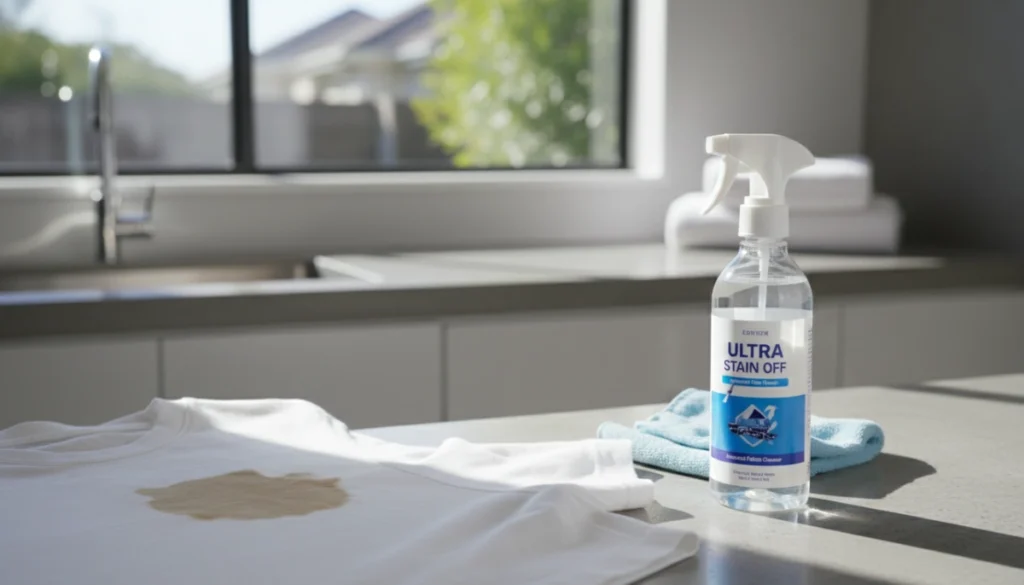
Spills happen fast, so I design every stain remover rule around one idea: act quickly, but act smart. Whether you’re grabbing a stain remover spray, a DIY stain remover, or a heavy duty laundry stain remover, these basics never change.
Why Speed Matters
Fresh stains are soft and “wet.” Set-in stains are hardened and bonded into the fibers.
- Treat stains ASAP. The sooner you apply a stain remover, the higher your success rate.
- Keep the stain damp. If you can’t wash right away, lightly mist with water or a fabric safe stain remover spray so it doesn’t dry in.
- Avoid heat early. No hot water, no dryer, no steam until you’re sure the stain is gone.
Blot, Don’t Rub
Rubbing forces pigment and grease deeper into the fabric. Blotting lifts it out.
- Blot from the outside in with a clean white cloth or paper towel.
- Press, lift, repeat until you’re not pulling up more color or liquid.
- Then apply your spot treatment stain remover and keep blotting gently.
Always Read The Fabric Care Label
Before you reach for any laundry stain remover or carpet stain remover, read the label once.
- Look for wash cycle settings, water temperature, and fabric care label symbols.
- Check for warnings like “dry clean only,” “no bleach,” or “hand wash cold.”
- If a label bans bleach, use a color safe stain remover or oxygen bleach powder, not chlorine bleach.
Do A Quick Patch Test
Any new stain remover, even a natural stain remover, should be tested first.
- Pick a hidden area (inside hem, seam, or underside of upholstery).
- Apply a small amount of the stain remover; wait 5–10 minutes.
- Check for color change, fading, or damage. If it looks good, treat the main stain with confidence.
Follow these golden rules and almost every other tough stain removal job gets easier, whether you’re dealing with clothes, upholstery, or carpet.
Stain Remover Arsenal
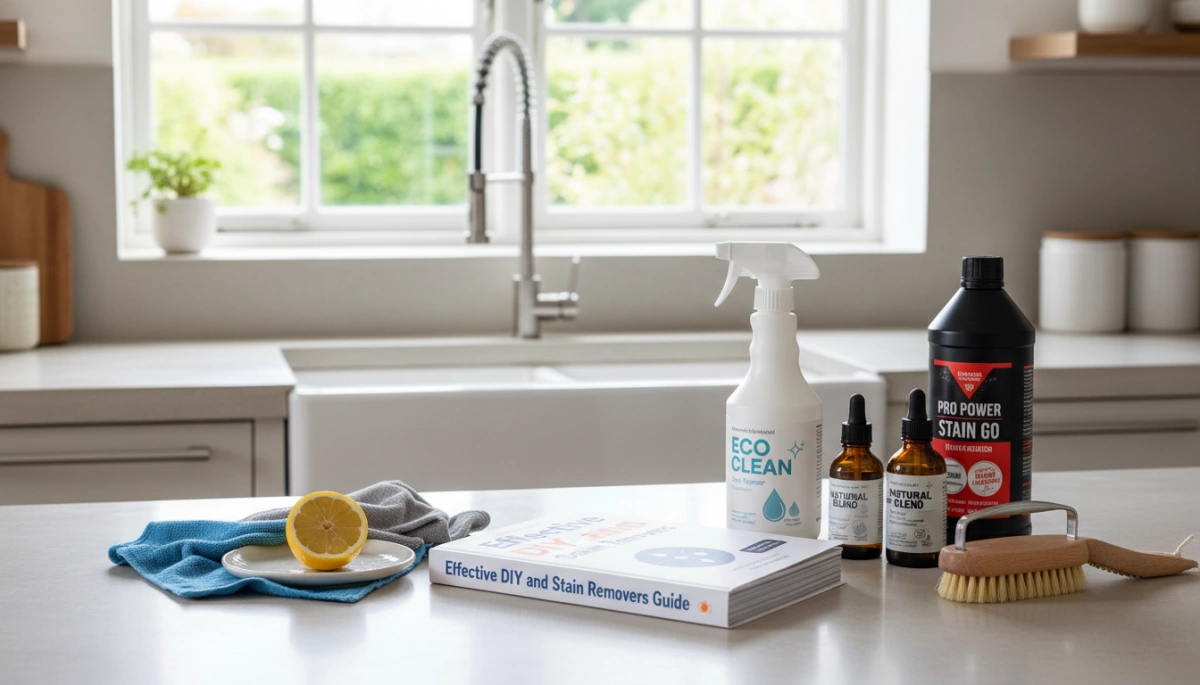
When I build a stain remover arsenal for my home and business, I mix simple DIY stain remover options with a few heavy-duty store products. That way I’m covered for everyday laundry stains, carpet spills, and tough set-in messes.
DIY stain remover from kitchen ingredients
I always start with a basic DIY stain remover before reaching for anything harsh:
- White vinegar + water (1:1) – quick pre-wash stain remover spray for food, sweat, and light coffee stains.
- Baking soda paste (baking soda + a little water) – spot treatment stain remover for odor and light discoloration on cotton and towels.
- Vinegar + baking soda combo – good for tough stain removal in collars and underarms, but I still patch test on delicate fabric.
White vinegar as a natural stain remover
White vinegar is my go-to natural stain remover and deodorizer:
- Works well on coffee stain remover, mild wine stains, and sweat smells.
- Safe on most washable fabrics when diluted; I avoid it on wool and silk.
- I use it as a laundry pre-treatment spray or add a cup to the wash cycle for extra odor removing power.
Baking soda stain remover for grease and odor
Baking soda is cheap, non toxic, and powerful:
- Perfect as an odor removing stain remover for armpit stains, gym clothes, and pet stains.
- I use a baking soda paste on grease splatters and let it sit to pull oil from fibers.
- Great for carpet stain remover and upholstery stain remover on smelly spots—sprinkle, let sit, then vacuum.
Hydrogen peroxide as a mild bleach stain remover
Hydrogen peroxide is my favorite bleach alternative for light-colored fabrics:
- Acts like a mild bleach stain remover for blood, sweat, and food stains on whites and light colors.
- I use 3% hydrogen peroxide cleaner, dab it on, let it fizz, then rinse with cold water.
- It’s usually a
❌ 消息流出现异常
Stain Remover For The Big 5
When I build a stain remover routine for real life in the U.S. (kids, pets, takeout, coffee on the go), I focus on the “Big 5” stains. Here’s how I handle each one with fabric safe stain remover methods that actually work.
Grease Stain Remover (Oil, Butter, Salad Dressing)
For food grease, I always treat fast with a strong grease stain remover or dish-soap-based laundry stain remover:
- Blot first to lift extra oil with a dry paper towel (don’t rub).
- Pre-treat with a few drops of dish soap or a pre wash stain remover spray right on the spot.
- Gently work it in with your fingers or a soft brush.
- Let it sit 5–10 minutes for a heavy duty stain remover effect.
- Rinse with warm water, then wash on the warmest water safe for the fabric care label symbols.
- For set-in stains, repeat or add a bit of baking soda paste for extra oil absorption.
Pigment Stain Remover (Red Wine, Coffee, Berries, Color & Dye)
For wine stain remover, coffee stain remover, and berry stains, I use a color safe stain remover so I don’t wreck clothes:
- Blot, don’t rub to pull up as much liquid as possible.
- Rinse from the back of the fabric with cool water to push the stain out.
- Spray with a spot treatment stain remover or enzyme stain remover designed for color stains.
- For red wine, follow with a bit of oxygen bleach powder in cool water and soak.
- Wash on the normal wash cycle settings with a color safe detergent.
- Check the stain before drying; heat will lock in any leftover color and dye stains.
Protein Stain Remover (Blood, Sweat, Baby Formula)
Protein stains need special treatment. Hot water cooks them in, so I always start with cold:
- Rinse the stain under cold water right away (cold water rule for protein stain remover).
- Apply an enzyme stain remover or baby stain remover directly to the spot.
- Gently rub the fabric together or use a soft brush.
- Let it sit 10–15 minutes for tough stain removal like blood and baby formula.
- Wash in a cold water wash first; only move to warm water if the stain is 100% gone.
- For dried sweat stains, use an odor removing stain remover or oxygen bleach soak.
Ink Stain Remover & Dye Transfer
For pen leaks, marker, and dye transfer, I reach for an alcohol-based ink stain remover:
- Place a clean white towel under the stain.
- Dab with rubbing alcohol or an alcohol based stain remover spray using a cotton pad.
- Blot and rotate to a clean area of the towel as the ink transfers off.
- Rinse with cool water, repeat if needed.
- Follow with a regular laundry stain remover and wash on the recommended cycle.
Pit Stain Remover (Yellow Armpits & Deodorant Build-Up)
For yellow pit stains and deodorant build up, a baking soda and peroxide paste works well on whites and light colors:
- Mix baking soda + hydrogen peroxide + a small amount of dish soap into a thick paste.
- Spread the baking soda paste on the pit stain and gently work it in.
- Let it sit 30–60 minutes for a strong pit stain remover effect.
- Rinse well, then wash with your regular detergent.
- Skip this mix on delicate fabric stain remover jobs like wool or silk; it’s better for cotton and athletic wear.
These stain remover steps cover most everyday disasters—from takeout grease on jeans to coffee on work shirts—using a mix of natural stain remover options and heavy duty laundry pre treatment spray when you need more power.
Fabric Safe Stain Remover Tips
Stain remover for cotton and synthetic fabrics
For everyday tees, jeans, and athleisure, I treat cotton and synthetics with a pre-wash stain remover spray or liquid.
- Apply a fabric safe stain remover directly to the spot as a spot treatment stain remover.
- Gently rub the fabric together or use a soft brush to work it in.
- Let it sit 5–10 minutes before the wash so the laundry stain remover has time to break down the stain.
Using hot water and agitation on durable fabrics
On durable fabrics like cotton, polyester, and most towels, hot water and agitation boost stain removal.
- Check the fabric care label symbols first; if it shows hot wash is OK, use it.
- Pair hot water with a heavy duty stain remover or laundry pre treatment spray.
- Use a longer wash cycle so the wash cycle settings give enough time to lift tough stains.
Stain remover for wool and silk
Wool, silk, and other delicates need a softer approach.
- Use a delicate fabric stain remover or baby stain remover that’s labeled stain remover for wool or stain remover for silk.
- Blot gently; avoid scrubbing or twisting so you don’t damage the fibers.
- Rinse in cool water and lay flat or hang dry, depending on the care label.
pH neutral stain remover for delicate fabrics
For silk, cashmere, fine knits, and “dry clean” pieces, I stick with pH neutral stain remover formulas.
- Look for non toxic stain remover or organic stain remover products that mention neutral pH.
- Use them as a spot treatment stain remover only on the stained area.
- Always do a quick test on an inside seam first to make sure it’s truly color safe stain remover.
Stain remover for upholstery and carpet
Sofas, car seats, and rugs need a different game plan because you can’t toss them in the washer.
- Choose a carpet stain remover or upholstery stain remover that’s labeled fabric safe stain remover.
- Treat spills fast with a stain remover spray for tough stain removal.
- Blot with a clean cloth from the outside in so you don’t spread the stain.
Foam stain remover and spot cleaning when you can\’t rinse
When you can’t rinse with water (like on a couch or mattress), I rely on foam stain remover.
- Apply the foam directly as a spot treatment stain remover.
- Let it sit, then blot with a dry towel until the stain and moisture lift.
- This works well as a pet stain remover and odor removing stain remover on soft surfaces.
Using steam and dry cleaning solvent safely
For serious upholstery or “dry clean only” fabrics, I combine steam and dry cleaning solvent carefully.
- Light steam can loosen dried spills before you apply a dry cleaning stain remover.
- Use a small amount of dry cleaning solvent on a cloth, never pour it straight on the fabric.
- Ventilate the room, avoid open flames, and always follow label safety instructions so your stain remover for set in stains works without damaging the fabric.
Stain Remover Mistakes To Avoid
Heat And Dryers That Lock In Stains Forever
Heat is the fastest way to turn a fixable stain into a permanent one.
- Never put stained clothes in a hot dryer until the stain is 100% gone.
- Use a laundry stain remover or pre wash stain remover spray, then air dry and recheck.
- If a mark is even slightly visible, treat again before you touch any high-heat setting.
Chemical Mixing Mistakes With Stain Remover
More chemicals don’t mean better cleaning; they mean more risk.
- Don’t mix bleach with ammonia, vinegar, or other cleaners.
- Avoid layering multiple stain remover sprays at once; rinse between products.
- Stick to one enzyme stain remover, one oxygen bleach powder, or one bleach alternative per treatment.
Bleach And Ammonia Safety With Stain Remover
Bleach and ammonia can create toxic gas when combined. I never allow them in the same load, sink, or bucket.
- Use chlorine bleach only with water and detergent, never with other chemicals.
- Keep ammonia-based cleaners completely separate from any laundry stain remover that lists bleach.
- Work in a ventilated space and follow the fabric care label symbols for bleach use.
Using Too Much Detergent Or Stain Remover
In the U.S., I see this all the time: people think more product = cleaner clothes. It doesn’t.
- Overdosing detergent or heavy duty stain remover leaves residue that traps dirt and odor.
- Use the measuring lines on caps and follow load-size guides on the bottle.
- For fabric safe stain remover and spot treatment stain remover, a thin, even layer works better than a thick glob.
How Over-Soaping Makes Stains Worse Later
Too much soap creates a sticky film on fabric and carpet fibers.
- That film grabs more oil, dust, and pet dander, making stain remover for set in stains even harder later.
- On carpet stain remover jobs and upholstery stain remover jobs, always rinse or blot with clean water until no suds remain.
- Aim for effective cleaning with less product + good rinse + correct wash cycle settings, not just more foam.