Lounger vs Chair: What Really Feels Different?
When you’re choosing between a lounger and chair, you’re really choosing how you want to sit, relax, and move through your space every day.
The Upright Role Of A Chair
A good chair keeps you naturally upright and supported so you can stay alert and comfortable, not sleepy. I lean on chairs for anything “active”:
- Everyday tasks: working on a laptop, chatting with friends, eating, playing games
- Posture: knees bent at 90°, feet grounded, spine supported in a vertical position
- Common chair styles:
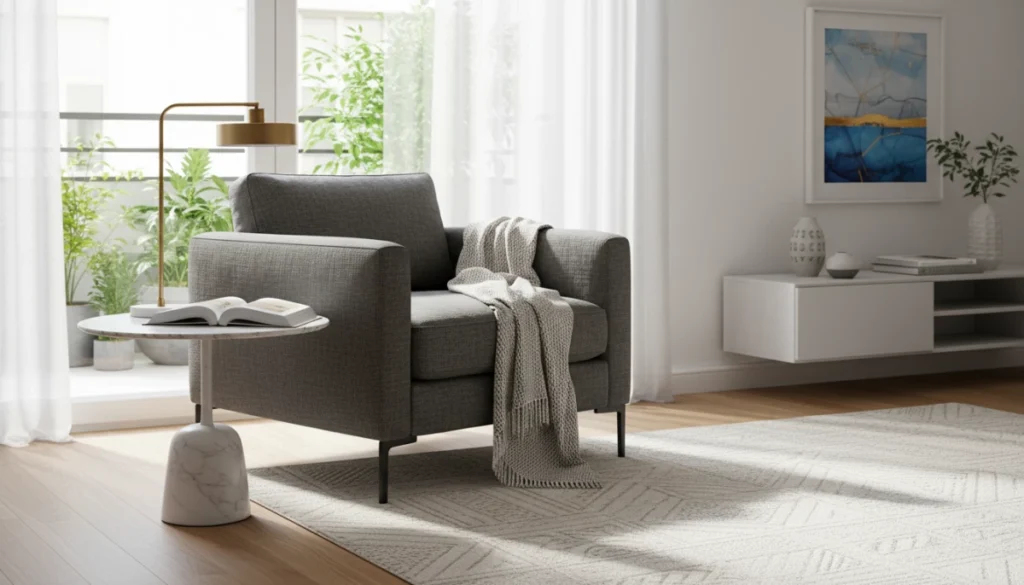
- Accent chair / occasional chair: slim, stylish, perfect for reading nooks or small spaces
- Club chair: deeper, lower, more enveloping for casual lounging
- Wingback chair: tall back, “wings” that visually frame the body; great in living rooms and bedrooms
- Armchair: classic, with arms for comfort and support; works anywhere from living rooms to offices
A modern accent chair or compact armchair is ideal when you want a small footprint, good lumbar support, and easy conversation.
How A Lounger Changes Posture, Comfort, And Mood
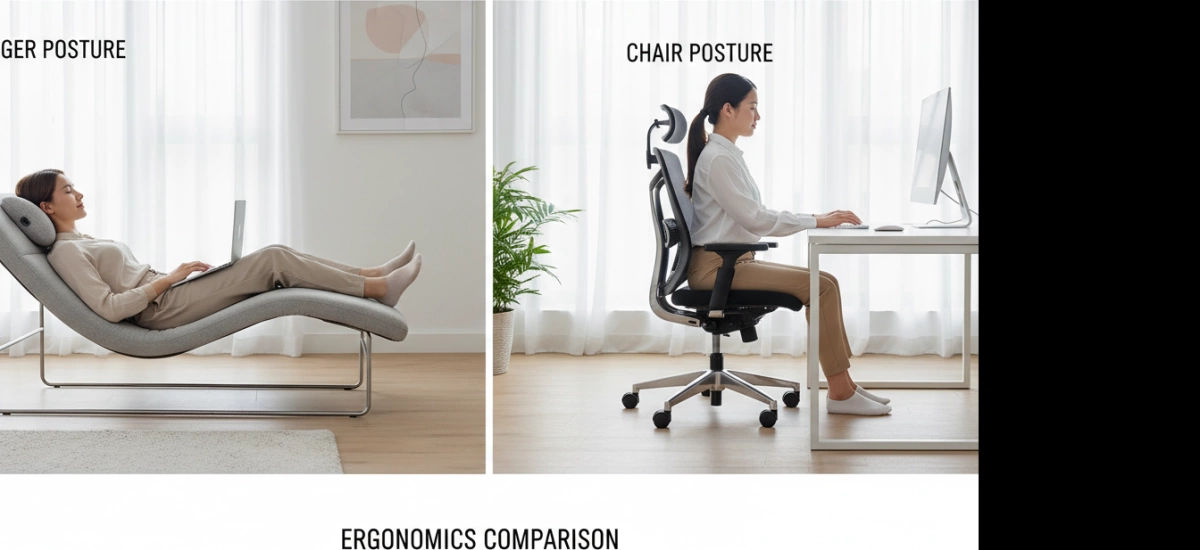
A lounger shifts your whole posture from “ready to move” to “ready to unwind.” Your legs extend, your spine reclines, and your body weight spreads out more evenly.
- Posture: reclined or semi-reclined, often with legs fully or partially elevated
- Comfort: more pressure relief for hips, lower back, and legs—great for decompression
- Mood: instantly more relaxed; it signals “off-duty,” perfect for reading, streaming, or napping
Key Design Differences: Structure, Back Support, Recline
The main design contrast in the lounger vs chair decision comes down to structure and support:
- Chair: upright frame, shorter seat depth, fixed back, often firmer for better alignment
- Lounger: elongated seat or built-in leg support, deeper seat, adjustable or angled back
- Recline:
- Chairs are usually fixed and vertical
- Loungers often recline or are permanently angled for lounging
Loungers act more like comfortable lounge furniture, while chairs are your everyday, “do-things” seating.
Common Types Of Chairs
When I curate seating for a room, I usually start with one of these chair types:
- Accent chair / modern accent chair: slim silhouette, great as a statement furniture piece or in small space furniture solutions
- Club chair: low, cushy, inviting; perfect for conversation area seating
- Wingback chair: visually tall, classic; ideal by a fireplace or in a bedroom corner
- Standard armchair: versatile, can be minimalist or plush; easy to pair with a sofa
Common Types Of Loungers
For deeper relaxation, these lounger styles change the posture and energy of the room:
- Chaise longue / chaise lounge indoor: single seat with an extended leg rest; sculptural, perfect as a sculptural lounge chair or indoor chaise longue
- Recliner / reclining armchair: looks like a chair, functions like a lounger with footrest and variable recline; great for TV rooms
- Daybed hybrid / upholstered daybed: wide, bench-like piece you can lie or curl up on; amazing for daybed for small spaces and flexible guests
If you want your home to feel like a curated sanctuary, think of chairs as your upright, social seating and loungers as your deep-relaxation zones—both essential, but each with a very different role.
Comfort Comparison: Lounger vs Chair Ergonomics
How Body Weight Sits In A Standard Chair
In a typical accent chair or compact armchair, your body weight sits mainly on:
- Hips and lower back – more pressure on the tailbone and lumbar area
- Feet on the floor – your legs carry some load, which helps posture but can cause fatigue
- Arms on armrests – in a modern accent chair with good arm height, this takes stress off the shoulders
For working at a desk, a comfortable reading chair, or conversation area seating, this more upright position keeps you alert and makes it easier to type, read, or talk without slouching.
How Loungers Support Legs, Spine, And Circulation
A lounger, chaise lounge indoor, or reclining armchair spreads your weight out more evenly:
- Legs elevated – better circulation, less ankle and knee pressure
- Spine supported along the length – especially in an ergonomic lounge chair or upholstered daybed
- Neck and head rested – key for decompression and pain relief after long days
In my own designs, I always build loungers with strong lumbar support and a gentle recline angle so U.S. customers can actually stay there for an hour without getting stiff.
When Chairs Work Better
Pick a chair over a lounger when you need to stay functional and engaged:
- Work & laptop time – upright posture, easier reach to a table
- Comfortable reading chair by a window – less chance you fall asleep mid-chapter
- Socializing & guests – occasional chairs and mid-century modern seating keep conversation eye-level and balanced
Use pairs of modern accent chairs or a neutral lounge chair plus sofa to shape a conversation area without encouraging everyone to fully lie down.
When Loungers Win For Relaxing
Choose a lounger when the goal is to fully unwind:
- Decompression after work – a sculptural lounge chair or minimalist lounger signals “off-duty” instantly
- Napping and streaming – daybed for small spaces or a modern recliner chair lets you stretch out
- Recovery days – leg elevation helps a lot if you’re on your feet all day or deal with swelling
For U.S. homes where the living room doubles as a sanctuary, a relaxing lounge chair for reading or an indoor chaise longue can be that one statement furniture piece that actually gets used.
Balancing Comfort With Back Health
I always tell customers: comfort and support need to show up together. Quick guide:
| Seating Type | Best For | Back & Posture Tip |
|---|---|---|
| Upright accent chair | Work, reading, hosting | Look for firm seat, real lumbar support, solid arms |
| Reclining armchair | TV, light reading, napping | Avoid overstuffed cushions that make you sink too low |
| Chaise lounge indoor | Relaxing, scrolling, long calls | Choose a model with a shaped back, not totally flat |
| Upholstered daybed | Multi-use small spaces | Add a lumbar pillow to protect lower back |
If you’re in your seat for hours (WFH, gamers, or heavy readers), treat your seating like real equipment:
- Prioritize lumbar support
- Choose medium-firm cushioning density
- Match seat height so your feet land flat on the floor (for chairs)
That’s how you get both cozy and healthy, whether you land on a lounger or chair.
Space Planning: Lounger and Chair Footprint
How Much Space a Lounger Really Needs
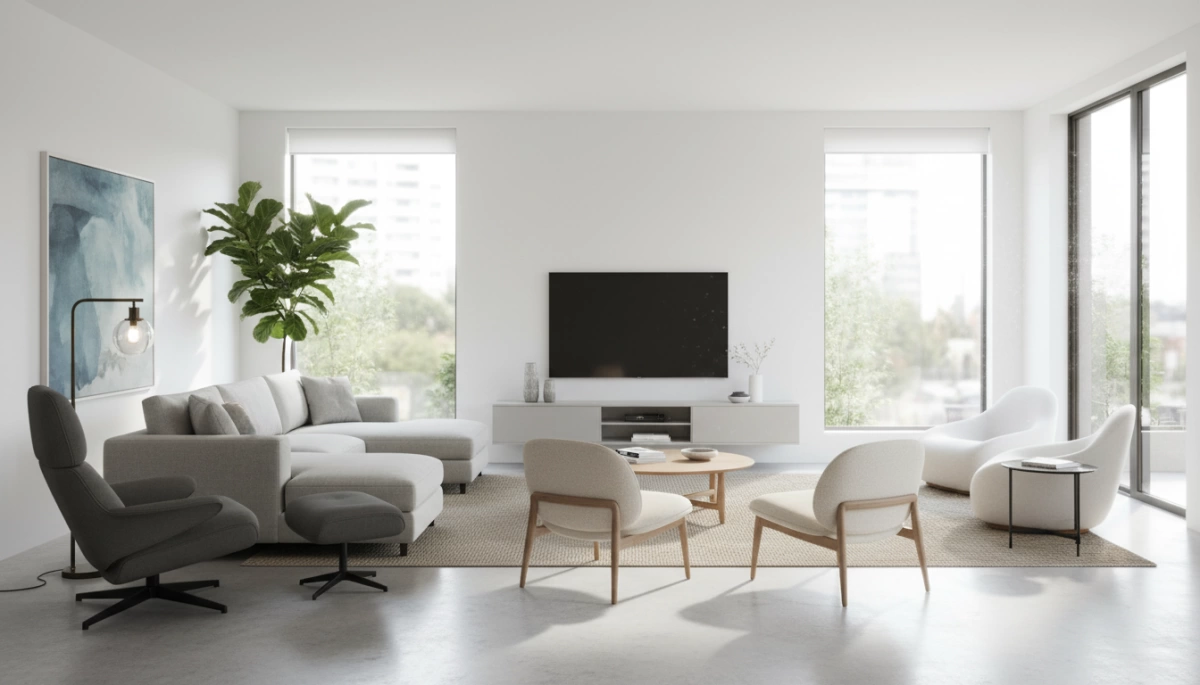
When I’m planning a room, a lounger always claims more real estate than a standard chair. As a rule of thumb for indoor chaise lounge or recliner setups:
- Plan about 30\”–36\” wide and 60\”–72\” long for a typical chaise longue or upholstered daybed.
- Add 12\”–18\” of clearance behind and in front of a reclining armchair so it can fully recline without hitting a wall or coffee table.
- Keep at least 30\” of open walkway around the lounger so it doesn’t feel like a tripping hazard in the living room layout.
If your space is tight, a minimalist lounger or compact ergonomic lounge chair with a slimmer base and no bulky arms fits better near windows or at the foot of a bed.
Why Chairs Work Better in Small Spaces
In smaller U.S. homes and apartments, a chair usually wins the lounger vs chair battle:
- Accent chairs, compact armchairs, and occasional chairs typically need only 28\”–32\” of width, which slides into corners, next to media consoles, or beside a sofa.
- A comfortable reading chair can tuck into a bedroom corner or small living room without overwhelming the layout.
- Space saving chair ideas like armless mid-century modern seating or slipper chairs keep the footprint light but still add a real seat.
If I’m solving for small space furniture solutions, I almost always start with a modern accent chair instead of a full chaise lounge indoor piece.
Traffic Flow, Walkways, and Safety
Loungers can easily interrupt traffic flow if you’re not careful:
- Avoid placing a lounger where people need to cut across the long side to reach a hallway, patio door, or kitchen.
- In high-traffic family rooms, keep main walkways clear of lounger corners to reduce stubbed toes and tripping.
- For patio lounger vs chair decisions, leave clear paths to grills, doors, and pools so kids and guests aren’t dodging furniture.
Chairs are easier to pivot and float in a layout, which makes them more forgiving when you’re testing different living room seating ideas.
Visual Weight and Room Balance
Even when a lounger and chair take similar floor space, they don’t feel the same visually:
- A sculptural lounge chair or chaise longue reads as a heavier “statement furniture piece” and naturally becomes a focal point.
- A pair of neutral lounge chairs or linen accent chairs spreads out the visual weight and keeps the room lighter and more flexible.
- Dark leather loungers, boucle accent chairs, and chunky recliners look visually heavier, so I balance them with lighter rugs, slim side tables, and open-leg furniture.
If a room already feels cramped, I’ll usually skip bulky loungers and lean on airy legs, slim frames, and open bases.
Pairs of Chairs vs a Single Statement Lounger
When I’m planning a living room or bedroom layout, I think about how people actually sit and interact:
- Two chairs:
- Better for conversation area seating and flexible living room layout ideas.
- Easier to rotate, repurpose, or move to a different room.
- Great for reading nook furniture in corners or opposite a sofa.
- One statement lounger:
- Ideal for solo relaxation, napping, and a cozy reading corner furniture setup.
- Works as a focal point furniture piece in front of a window or near a bookshelf.
- Strong choice when you want one relaxing lounge chair for reading instead of multiple seats.
In most U.S. homes, I like a mix: pairs of chairs for everyday seating, and one comfortable lounge furniture piece where you can really stretch out and disconnect.
Interior Styling: Lounger and Chair Ideas
Sculptural Lounger as a Focal Point
A sculptural lounge chair or minimalist lounger can carry an entire room.
- Place a sculptural lounge chair or leather lounger where your eye lands first (across from the entry or centered on a window).
- Choose bold shapes or a mid-century modern seating profile if you like statement furniture; go softer and rounded for a cozy, spa-like vibe.
- Keep bigger pieces around it simple so the lounger and chair combo doesn’t feel loud or cluttered.
Chairs for Conversation and Reading Nooks
Modern accent chairs are still the easiest way to build a flexible seating zone.
- Use pairs of compact armchairs or an occasional chair plus side chair to define a conversation area.
- For a comfortable reading chair, look for good lumbar support, a slight recline, and arms at a natural height for holding a book or tablet.
- In U.S. homes, I like a bedroom lounge chair or neutral lounge chair in corners for quick “me-time” without reworking the whole layout.
Styling a Lounger with Throws and Tables
A lounger vs chair needs different styling so it doesn’t just look like a bed in the living room.
- Add a lightweight throw draped along the back or at the foot so it feels intentional, not messy.
- Use one or two firm pillows to support your lower back or neck, especially on an indoor chaise longue or upholstered daybed.
- Park a slim side table or nesting table within arm’s reach for drinks, books, or a candle—key for a relaxing lounge chair for reading.
Pairing Loungers with Sofas
When I design a living room seating idea around both, I use the lounger to break up all the rectangles.
- Mix a low ergonomic lounge chair or chaise lounge indoor with a higher-back sofa to add height and texture contrast.
- Angle the lounger slightly toward the sofa so it works for both conversation and solo lounging.
- In smaller U.S. living rooms, one statement lounger plus a compact sofa often feels lighter than multiple bulky recliners.
Materials and Fabrics for Style and Durability
For most American households, fabric choice makes or breaks how long your home decor seating actually lasts.
- For high-traffic seating, pick performance upholstery (stain-resistant polyester, treated cotton, or durable blends) on both lounger and chair.
- Boucle accent chair or linen accent chair looks elevated but shows wear faster; I keep those in lower-traffic corners or bedrooms.
- For kids, pets, or rentals, I lean toward upholstery durability: tight-weave fabrics or protected leather, especially on a modern recliner chair or lounge you’ll use daily.
Buying Guide: How to Choose a Lounger and Chair
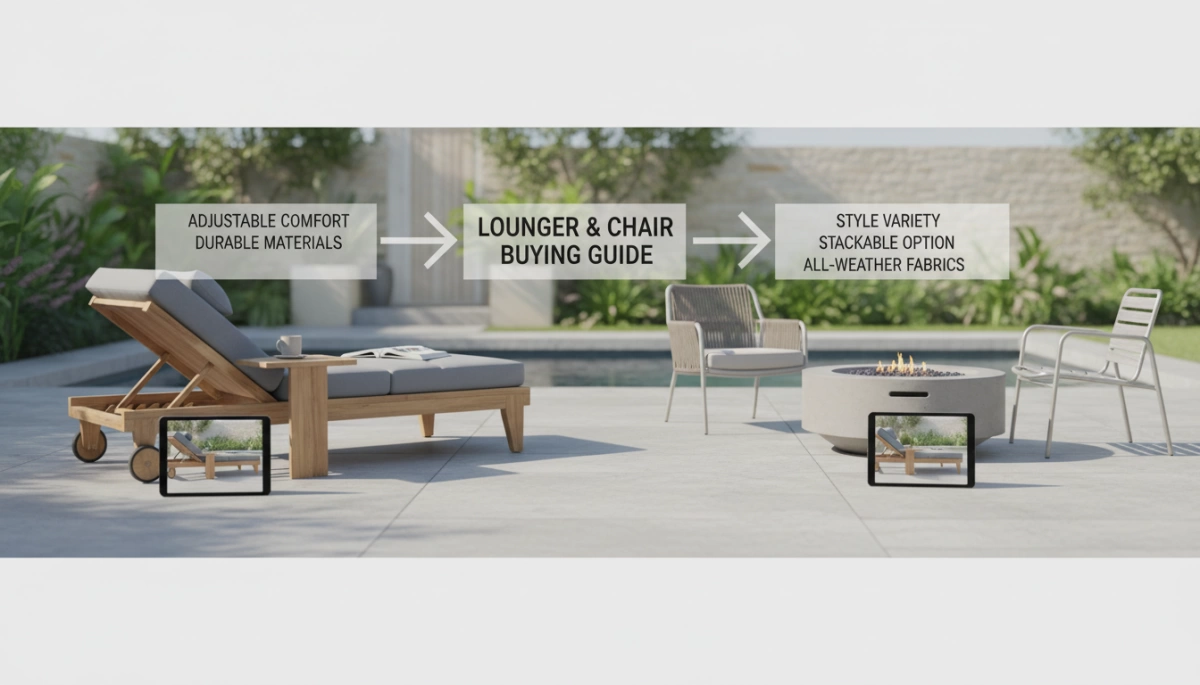
When I compare a lounger and chair for our customers, I focus on fit, comfort, and how it looks in your real space, not just in a catalog.
Key Chair Measurements: Seat, Arms, Frame
For an accent chair, compact armchair, or occasional chair, these numbers matter:
| Chair Detail | Ideal Range (Most Adults) | What It Means |
|---|---|---|
| Seat height | 17\”–19\” | Feet flat on floor = better posture |
| Seat depth | 19\”–22\” | Shorter users stay closer to 19\” |
| Seat width | 20\”+ | More room for relaxed sitting |
| Arm height | 24\”–26\” | Lines up with most side tables |
| Frame build | Kiln-dried wood / steel | Less wobble, longer life |
- For a comfortable reading chair, go a bit deeper and add lumbar support.
- For small space furniture solutions, choose a modern accent chair with a slimmer frame and open legs.
Key Lounger Measurements: Length, Recline, Back Height
For a chaise lounge indoor, reclining armchair, or upholstered daybed, check:
| Lounger Detail | What to Look For | Why It Matters |
|---|---|---|
| Overall length | 60\”–75\”+ | Full leg support for most heights |
| Recline angle | 100°–130° | 100°–110° for reading, 120°–130° for napping |
| Back height | 24\”+ | Supports shoulders and neck |
| Seat height | 15\”–18\” | Easy to get in and out |
- A minimalist lounger works better in tight rooms if length stays closer to 60\”.
- For an ergonomic lounge chair, test how your lower back and neck feel at your usual recline angle.
Cushioning Density and Long-Term Comfort
The difference between “nice at first” and “still comfy in 3 years” is foam density.
| Use Case | Cushion Feel | Suggested Density |
|---|---|---|
| Everyday TV / living room seating | Medium-firm | ~1.8–2.2 lb/ft³ foam |
| Relaxing lounge chair for reading | Medium with soft top | Foam core + fiber wrap |
| High-traffic family room | Firmer support | 2.0+ lb/ft³ foam |
- Chairs need slightly firmer seats for good accent chair ergonomics.
- Loungers can be softer on top, but they still need a supportive core so you don’t “bottom out.”
Upholstery for High-Use Loungers and Chairs
For home decor seating that actually survives real life in the U.S., fabric choice is huge:
| Material | Best For | Pros | Watch Out For |
|---|---|---|---|
| Performance polyester / blends | Kids, pets, TV rooms | Stain-resistant, durable | Can feel less “natural” |
| Leather lounger | Living room statement piece | Ages well, easy to wipe | Can scratch, needs care |
| Linen accent chair | Light, airy rooms | Casual, breathable look | Wrinkles, can stain |
| Bouclé accent chair | Modern, cozy corners | On-trend texture | Snags with pets |
- For high traffic seating fabric, I push performance weaves or treated fabrics first.
- For outdoor and patio lounger vs chair, stick with UV- and water-resistant outdoor fabric only.
Matching Style to Your Existing Decor
To make a lounger and chair feel intentional, not random:
- Match shape and legs: mid-century modern seating pairs best with tapered wood or metal legs; traditional rooms love rolled arms and turned legs.
- Coordinate color and texture:
- One neutral lounge chair + one patterned occasional chair works well.
- Repeat one element (same wood tone, same fabric family, or same metal finish).
- Decide your hero: use a sculptural lounge chair or statement furniture piece as the focal point, then keep the companion chair simpler.
When I design sets, I always start with how you live: if you lounge more than you sit upright, prioritize the lounger; if you host and chat more, prioritize the chair and treat the lounger as your bonus sanctuary piece.
Use Cases: Where Loungers and Chairs Work Best
Lounger vs chair for living room seating zones
In a living room, I treat a lounger and chair as two different tools:
- I use a comfortable accent chair or occasional chair near the sofa to keep conversation easy and upright.
- I place a sculptural lounge chair, chaise lounge indoor, or modern recliner chair in a quieter corner for solo scrolling, TV, or napping.
- In small American living rooms, a compact armchair usually works better than a bulky recliner so traffic flow stays clean.
Best chair and lounger picks for bedroom corners
For bedroom corners, I lean into “quiet retreat” over formal seating:
- A bedroom lounge chair with good lumbar support is ideal for putting on shoes, reading, or late-night emails.
- If you have the space, a minimalist lounger or upholstered daybed turns the corner into a mini lounge zone for decompression.
- In tighter primary or guest bedrooms, I go with a neutral lounge chair or linen accent chair instead of a full chaise to keep the room feeling open.
Setting up a reading nook with the right chair or lounger
A comfortable reading chair is usually the star of any reading nook:
- For longer sessions, I like an ergonomic lounge chair or reclining armchair with a separate ottoman to support legs and circulation.
- Add a small side table, warm lamp, and a throw—simple cozy reading corner furniture that actually gets used.
- If you love to stretch out, an indoor chaise longue or relaxing lounge chair for reading near a window works better than a stiff accent chair.
Outdoor and patio lounger vs chair decisions
On patios and balconies in the U.S., I usually mix both:
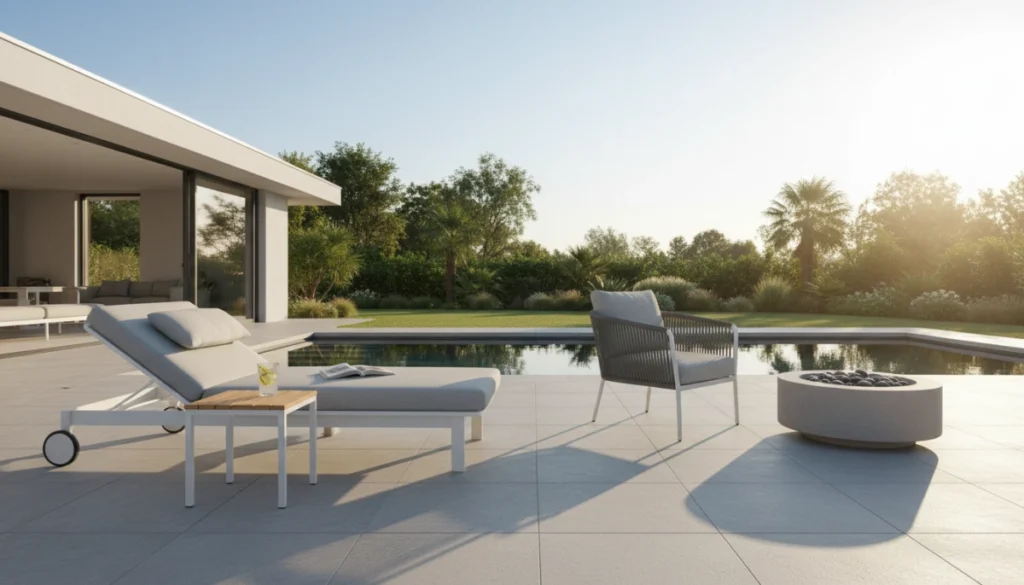
- Patio loungers (adjustable chaise or sling styles) are best for sunbathing, napping, and weekend relaxing.
- Outdoor chairs with arms are better for cookouts, casual drinks, and conversation.
- For small balconies, I recommend space saving chair ideas—folding or stackable chairs—and skip the full lounger unless it truly fits.
Choosing seating based on how you actually live
I always match lounger vs chair choices to real habits, not just looks:
- If you mostly host guests, prioritize multiple modern accent chairs and compact seating for a flexible conversation area seating layout.
- If you unwind solo after work, invest in one great comfortable lounge furniture piece—a leather lounger, boucle accent chair, or contemporary lounge seating with real support.
- Think in zones: one area for talking, one for scrolling or reading, one for stretching out. That’s how you build a true living room sanctuary that fits everyday American life.
Mixing A Lounger And Chair In One Room
When To Use Both Lounger And Chair
I like using both a lounger and chair when a room needs two types of comfort:
- A lounger (chaise lounge, recliner, or daybed) for stretching out, napping, or phone scrolling
- A chair (accent chair, compact armchair, occasional chair) for upright tasks, quick chats, and reading
In U.S. homes, this combo works best in:
- Living rooms where you want one statement furniture piece plus flexible extra seating
- Bedrooms that need a bedroom lounge chair for reading and a lounger for winding down
- Open-concept spaces where a sculptural lounge chair or indoor chaise longue faces the TV, and accent chairs face each other for conversation
Balancing Silhouettes, Heights, And Proportions
To keep a mixed lounger vs chair setup from feeling awkward, I stick to a few rules:
- Match seat height within about 2 inches so no one feels “too low” or “too high”
- Balance one long piece (lounger) with one or two compact armchairs, not another bulky giant
- Pair a low minimalist lounger with slimmer modern accent chairs for a clean, mid-century modern seating look
- Keep arm thickness visually similar so the room doesn’t feel lopsided
Color And Texture Strategies
To make different pieces feel cohesive instead of random:
- Use a shared color family: for example, a neutral lounge chair in sand and a linen accent chair in warm white
- Mix textures, not chaos: boucle accent chair + leather lounger + smooth wood side table
- Repeat one element at least twice: same wood tone, same metal finish, or same fabric family
- In busy family rooms, lean into high traffic seating fabric like performance linen, tightly woven blends, or protected leather
Arranging For Conversation And Solo Relaxation
I always plan a conversation area first, then layer in a relaxing lounge chair for reading:
- Angle chairs toward each other with a shared coffee table between them
- Float the lounger slightly off to the side, aimed toward a view, TV, or window for solo time
- Add a small side table and lamp next to the lounger so it works as a cozy reading corner furniture setup
- In smaller U.S. apartments, push the lounger along a wall and let the chairs handle the main conversation area seating
Common Layout Mistakes To Avoid
When mixing a lounger and chair, these mistakes kill comfort fast:
- Choosing a lounger that’s too long for the room, blocking floor space planning and walkways
- Pushing everything against the walls, leaving a dead zone in the center
- Ignoring traffic flow so people have to squeeze past footrests or trip over a chaise lounge indoor piece
- Using fabrics that don’t match how you live (like delicate bouclé in a high-use TV room with kids and pets)
- Skipping a rug, so all the pieces feel like they’re floating instead of a intentional living room layout
Done right, a lounger and chair combo gives you both a comfortable reading chair and a place to fully stretch out, without crowding your space.